Beijing
北京A foreigner's 2026 guide to China's capital — the Forbidden City booking system that trips up every visitor, four Great Wall sections compared, hutong life under the new high-rises, and where to actually eat Peking duck.
Top Things to Do in Beijing — Forbidden City, Great Wall & Hutong Life
11 attractions ranked for first-time foreign visitors — the Forbidden City (book the dpm.org.cn English system 7 days ahead), Summer Palace, Temple of Heaven, four Great Wall sections compared, hutong neighborhoods, and the 798 art district.
Forbidden City — How Foreigners Book Tickets
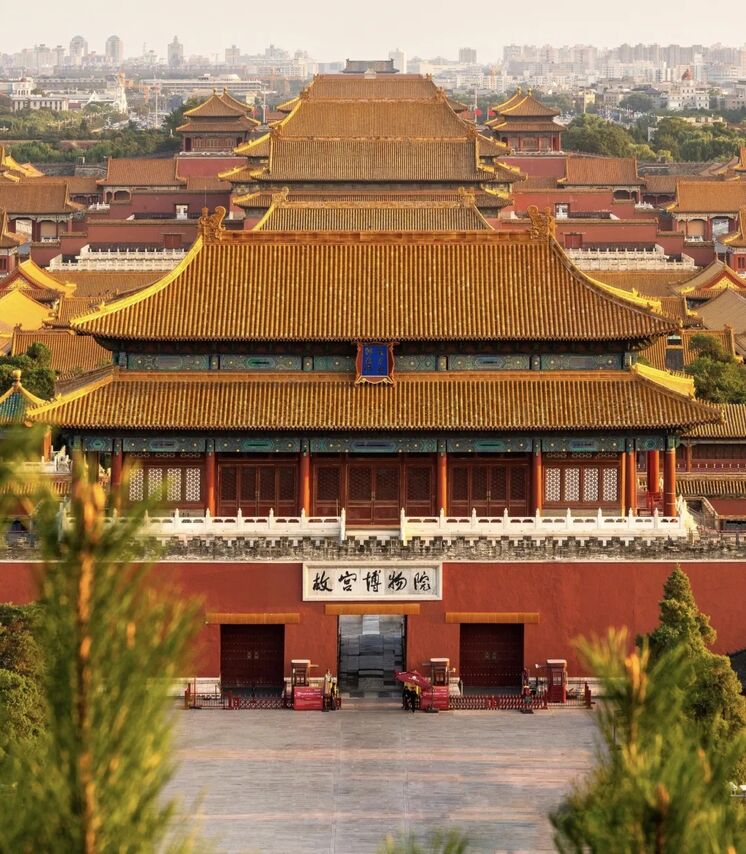
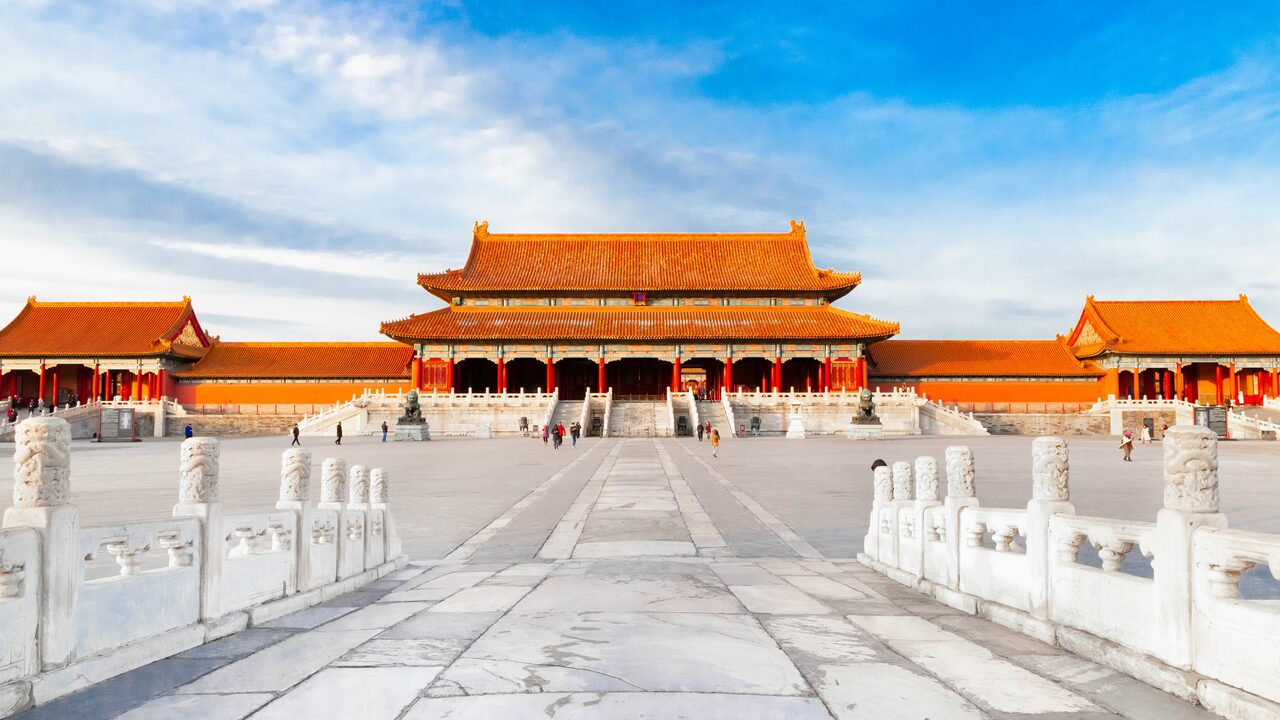
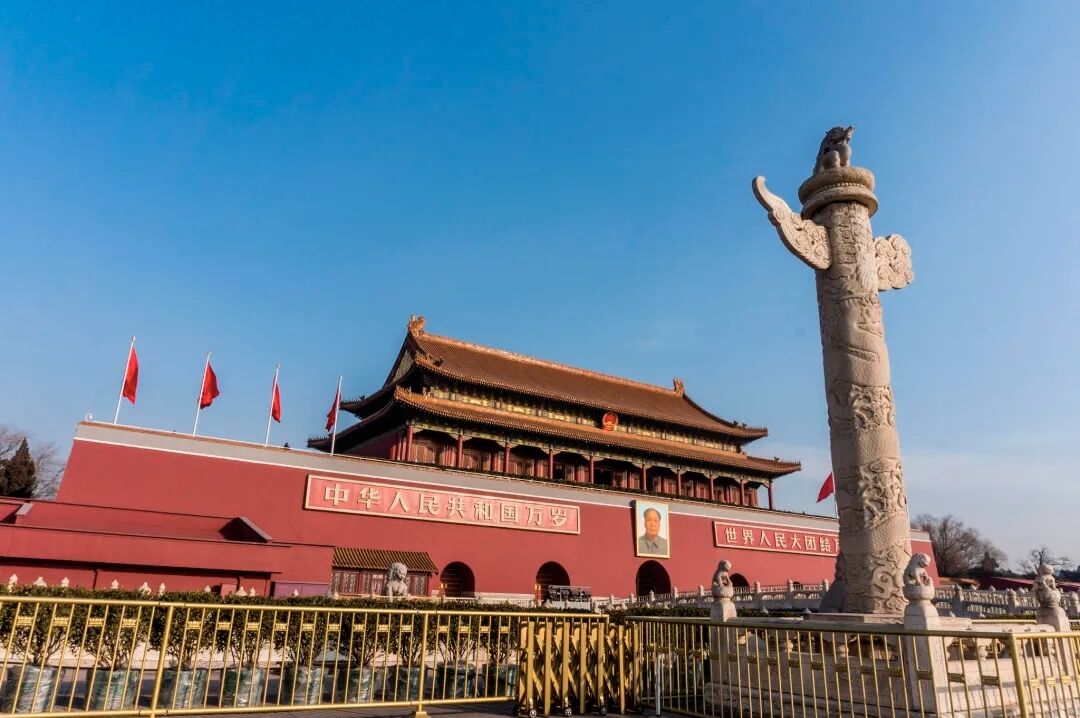
You DO need a ticket and you must book ahead — they sell out daily and the gate doesn't sell same-day. Book direct on the official dpm.org.cn English system 7 days in advance (¥60 standard, ¥40 winter), bring the passport you registered with. Closed Mondays.
Summer Palace — Half-Day from Downtown
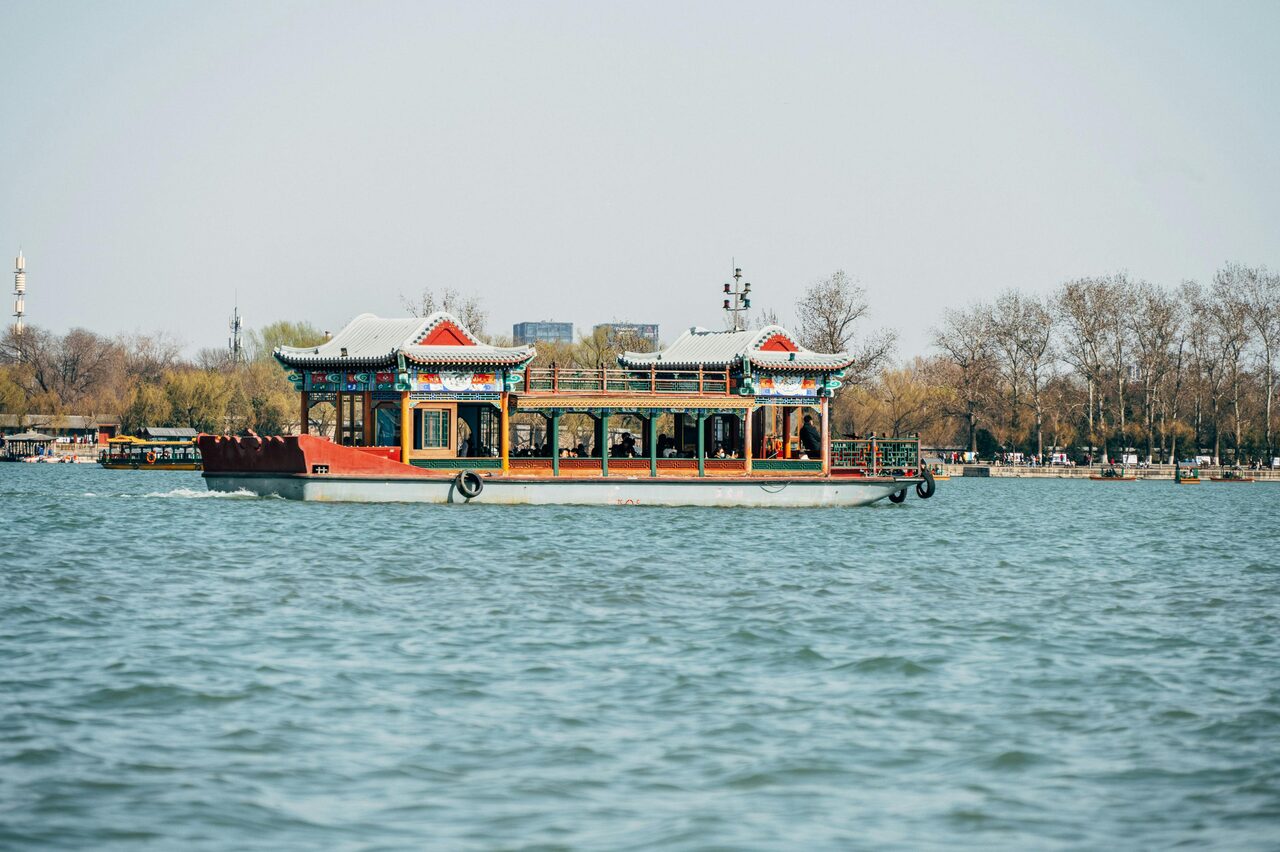
Subway Line 4 to Beigongmen exit, then 5-min walk to the North Gate. Yiheyuan (the imperial garden, UNESCO 1998) — Long Corridor + Marble Boat + Foxiang Pavilion. Don't confuse with Yuanmingyuan (the ruined Old Summer Palace) next door — most travelers conflate them. ¥30 entry, allow 4-5 hrs.
Temple of Heaven — 7am Tai-Chi + Architecture
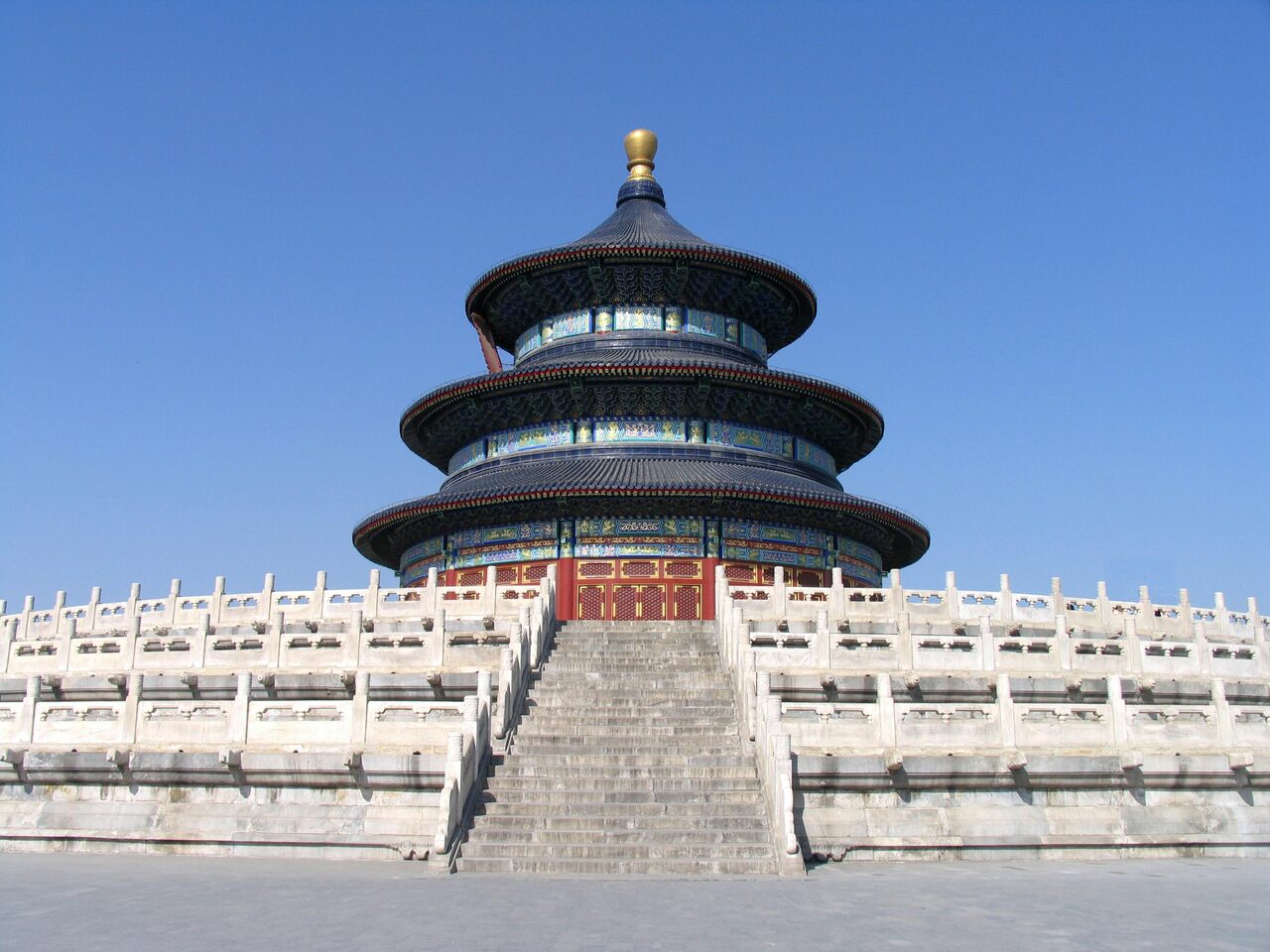
Subway Line 5 to Tiantan East, then East Gate. Show up at 7am for the locals doing tai-chi, sword-dance, and chess in the outer park — the real attraction, not the temple itself. Hall of Prayer for Good Harvests + circular Echo Wall + Round Altar. The Ming-Qing emperor's annual sacrifice site.
Mutianyu Great Wall — The Less-Crowded Choice
70 km from city, ~90 min by car. NO direct subway — taxi or tour bus only (round-trip Didi ~¥600, group day-tour ¥350-450/person incl. transport). Plan 6-8 hours on-site. Restored Ming sections, less mass tourism than Badaling. Cable car up + toboggan down.
Badaling Great Wall — From Beijing by Train
The S2 train from Huangtudian station is the cheapest way out (¥6, 45 min, 6 daily; reserve in 12306 app). Or take the Beijing-Zhangjiakou HSR ¥30 to Badaling station. Most-restored, busiest section — go before 9am to beat tour buses. Cable car or glass elevator up.
Jinshanling Great Wall — For Hikers + Photographers
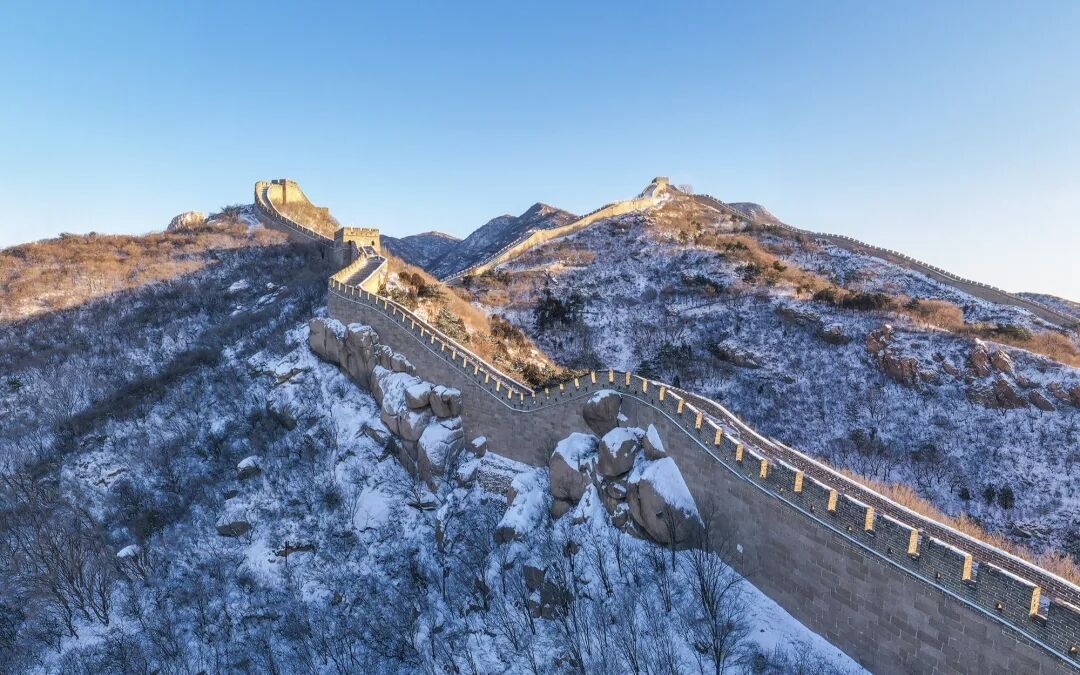
125 km from city, 2.5 hrs by car (no direct train; tour bus from Wangjing West ¥95 RT, 1 daily 8am). Original unrestored Ming sections — sunrise/sunset photographers' choice. The 4-hour Jinshanling → Simatai West hike is the country's best wall walk.
Hutong Tour — What They Are + Where to Go
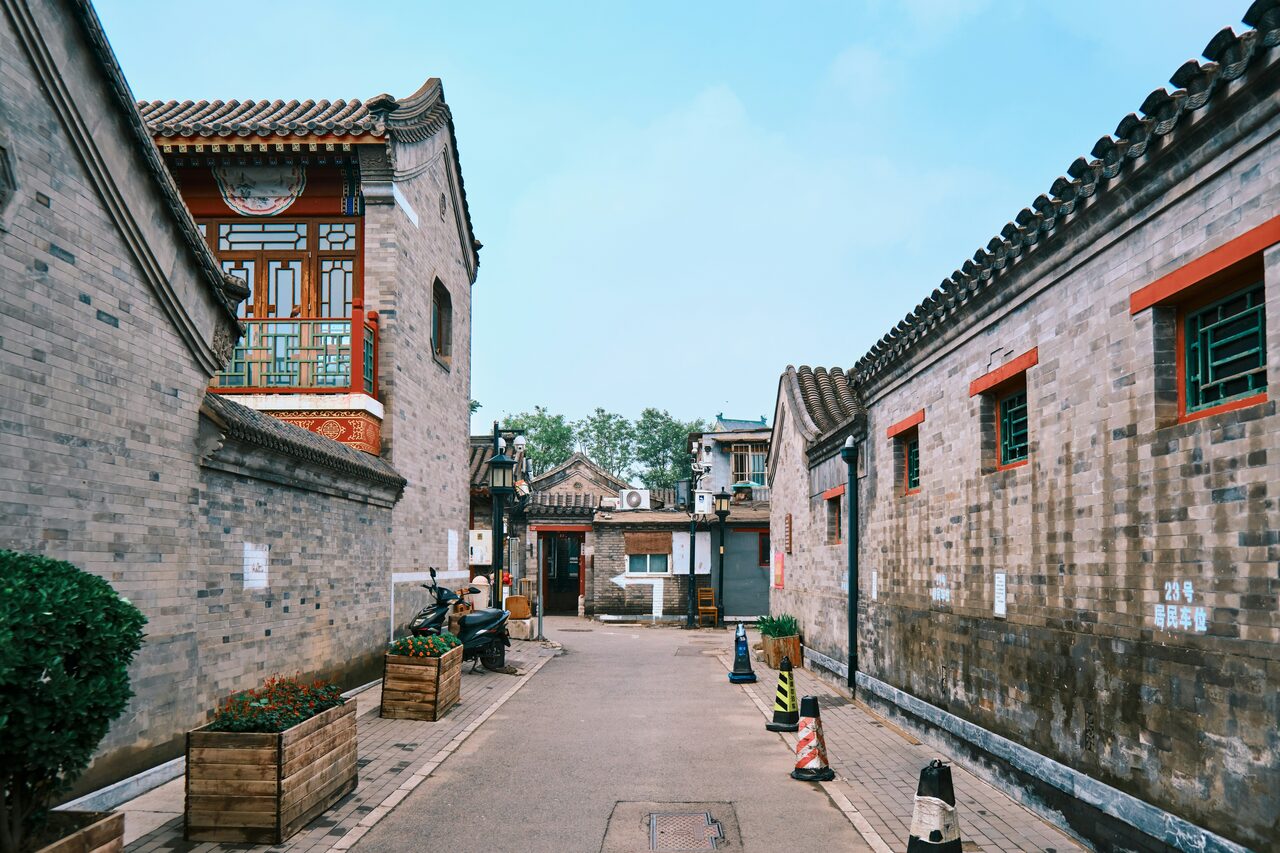
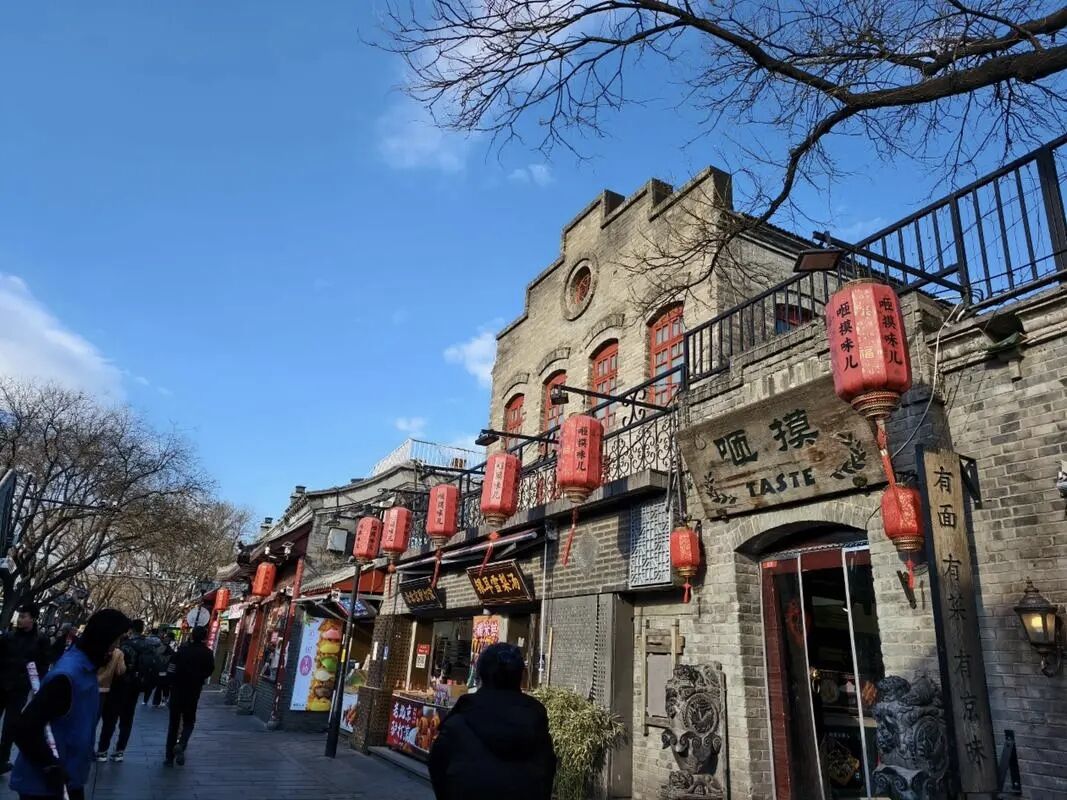
Hutongs (胡同) are the narrow alleys between traditional courtyard homes (siheyuan) — old Beijing's residential pattern, dating back to the Yuan dynasty. Most are now demolished; the surviving zones are Houhai (lakeside), Nanluoguxiang (touristy + food), and Wudaoying (cafés + boutiques). Walk, e-bike, or rickshaw.
798 Art Zone — Half a Day in the Cultural District
Repurposed 1950s East-German Bauhaus factory complex turned into 100+ contemporary galleries + cafés + design shops. Free entry. Subway Line 14 to Wangjing South, then 15-min walk. Most galleries closed Mondays. Pair with a Sanlitun dinner.
Things to Do in Beijing — The Curated Pick
All the top picks ranked by foreign-traveler payoff, with 3/5/7-day timelines and decision trees for the trade-offs (which Great Wall section, which Summer Palace, which hutong). Read this first if you have ≤ 4 days.
Which Great Wall Section Should You Visit From Beijing?
Mutianyu (less crowded, restored Ming) vs Badaling (easiest by train, busiest) vs Jinshanling (hikers, photographers, no tour-bus crowds). Decision matrix by your time budget, mobility, and crowd tolerance — plus how to actually get there. Day tours $80-150 — the single biggest decision foreign travelers make in Beijing.
Beijing Itinerary — 3, 5, or 7 Days for First-Time Visitors
Most foreign travelers do 3-5 days in Beijing. 3 days covers the imperial core + one Great Wall section; 5 days adds a hutong afternoon, Temple of Heaven, and a Tianjin day trip; 7 days fits a Datong (Yungang Grottoes) or Pingyao Shanxi extension. Pick a duration to see the day-by-day plan.
Forbidden City all morning (book dpm.org.cn 7 days ahead, ¥60, closed Mondays). Jingshan Park sunset for the gold-roof axis photo. Wangfujing or Da Dong for Peking duck dinner.
Less crowded section, ~9-hour round trip including transit. Taxi or tour-bus only (no direct subway). Cable car + toboggan. Late dinner back in city.
New Summer Palace (Yiheyuan, the imperial garden, UNESCO 1998) in the morning, Old Summer Palace (Yuanmingyuan, the ruined one sacked by Anglo-French troops in 1860) in the afternoon — most travelers conflate them and only see one.
Temple of Heaven at 7am for the local tai-chi crowd (the real attraction; Subway Line 5 to Tiantan East). Hutong walk in Wudaoying or Houhai mid-morning. 798 Art Zone afternoon (free, ~3 hrs, Line 14 to Wangjing South).
30 min HSR to Tianjin (¥55, 299 trains/day), Italian Concession + Five Avenues + Goubuli baozi lunch. Back to Beijing 5pm or onward HSR to Shanghai (4h18m) / Xi'an (4h30m).
Getting Around Beijing — Subway, Two Airports & HSR
Beijing is the size of Belgium and traffic at peak hours can add an hour to any plan. The subway is the only sane way around the inner city. Pre-decide which airport you're flying into — PEK (Capital) and PKX (Daxing) are different cities and the mistake is the most common Beijing-arrival booking error.
Line 1 east-west through Tian'anmen + Wangfujing. Line 4 up to Summer Palace. Line 5 to Temple of Heaven. ¥3-7 by distance. Tap-in with Alipay 乘车码 or WeChat 出行 QR — no physical card needed. English signage throughout. Trains every 2-5 min, closed midnight to 5am.
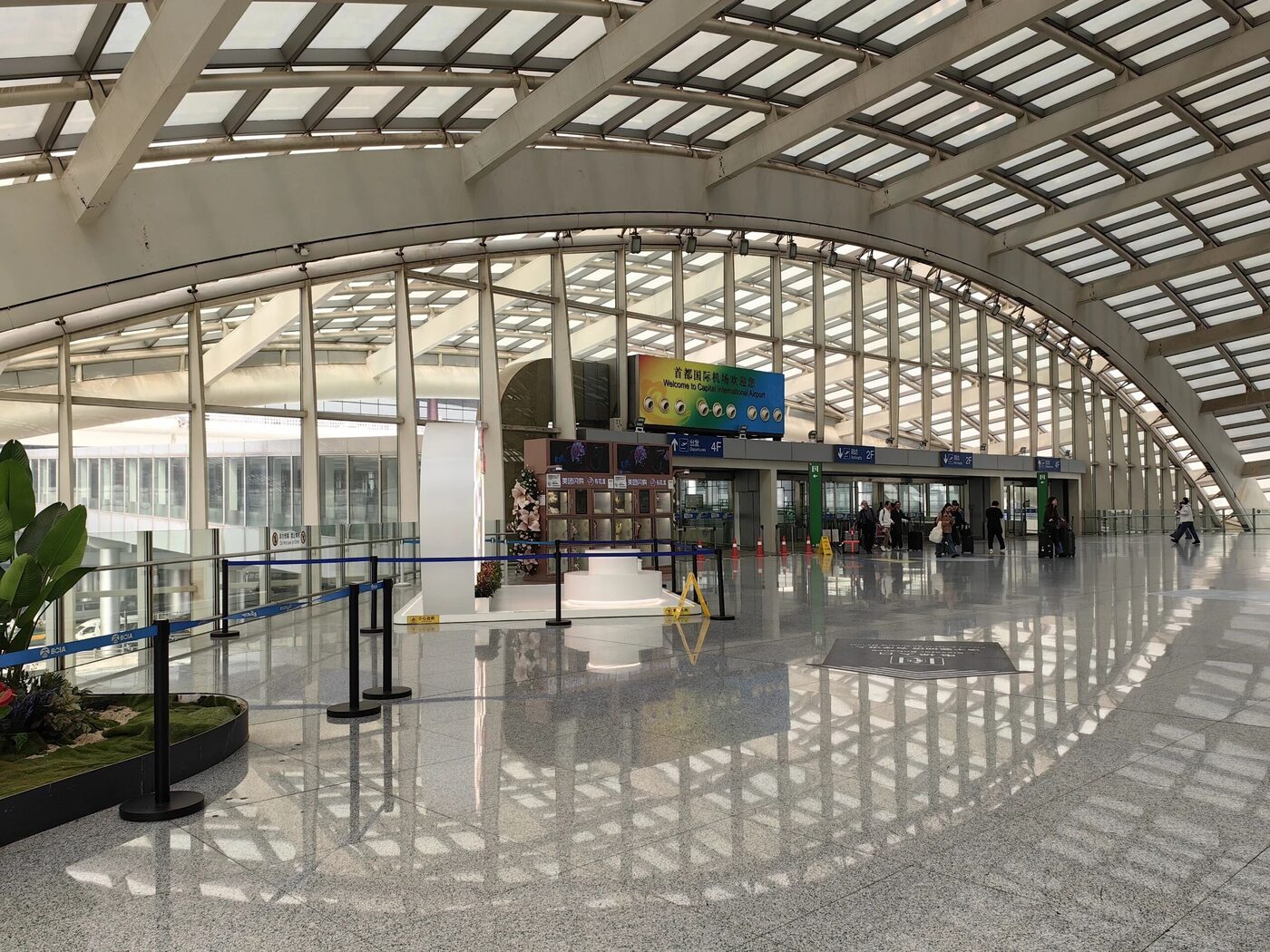
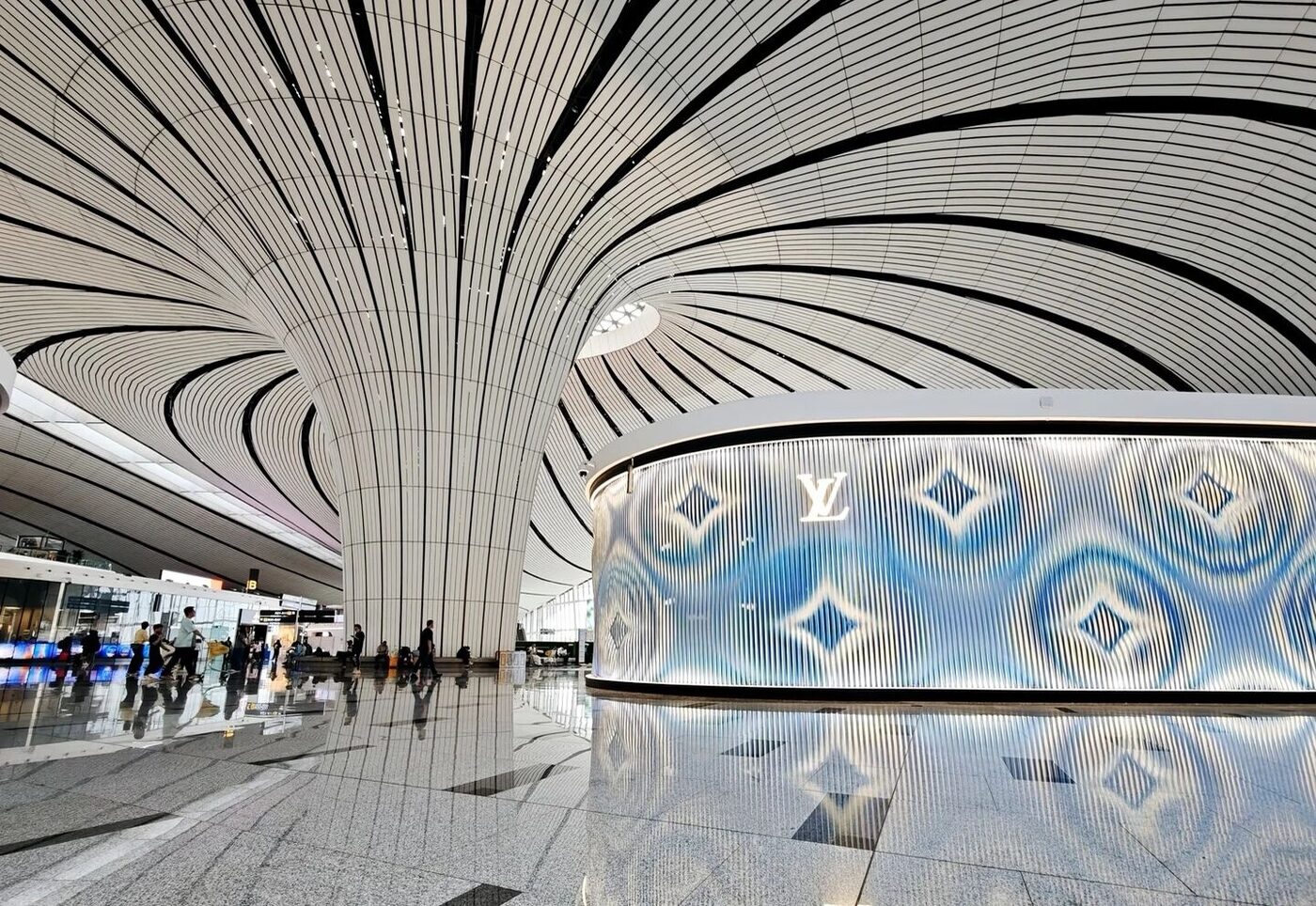
PEK (Capital) is 32 km northeast — Express Rail ¥25, 22 min to Dongzhimen. PKX (Daxing) is 46 km south — Daxing Express ¥35, 19 min to Caoqiao. Both airports have an “Express” — confirm yours. Late-night arrivals = Didi only (¥110-200).
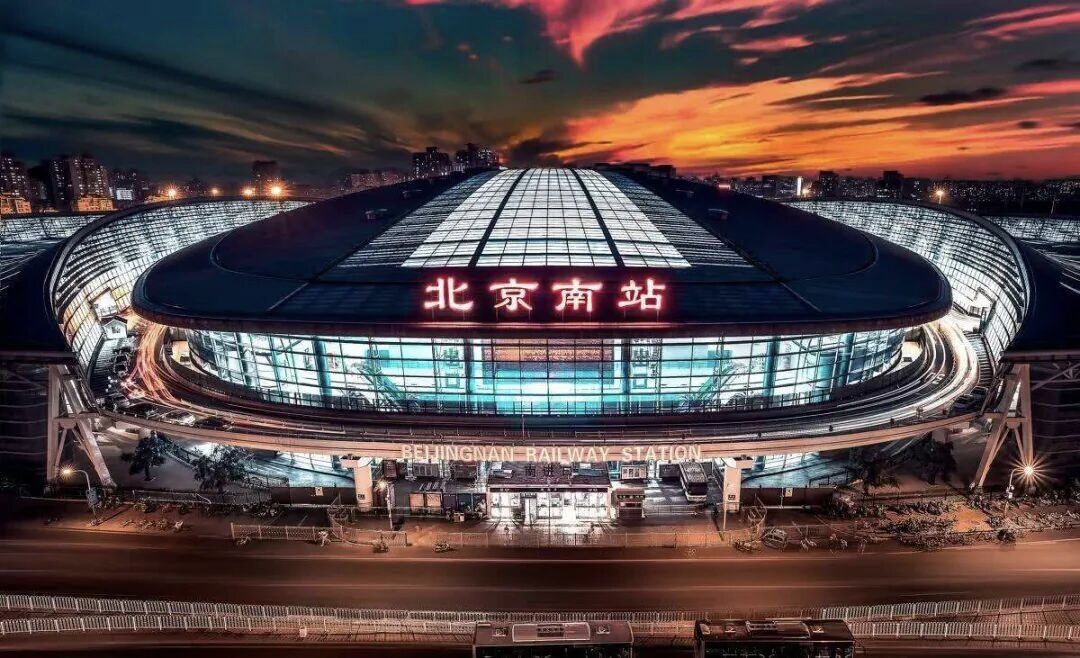
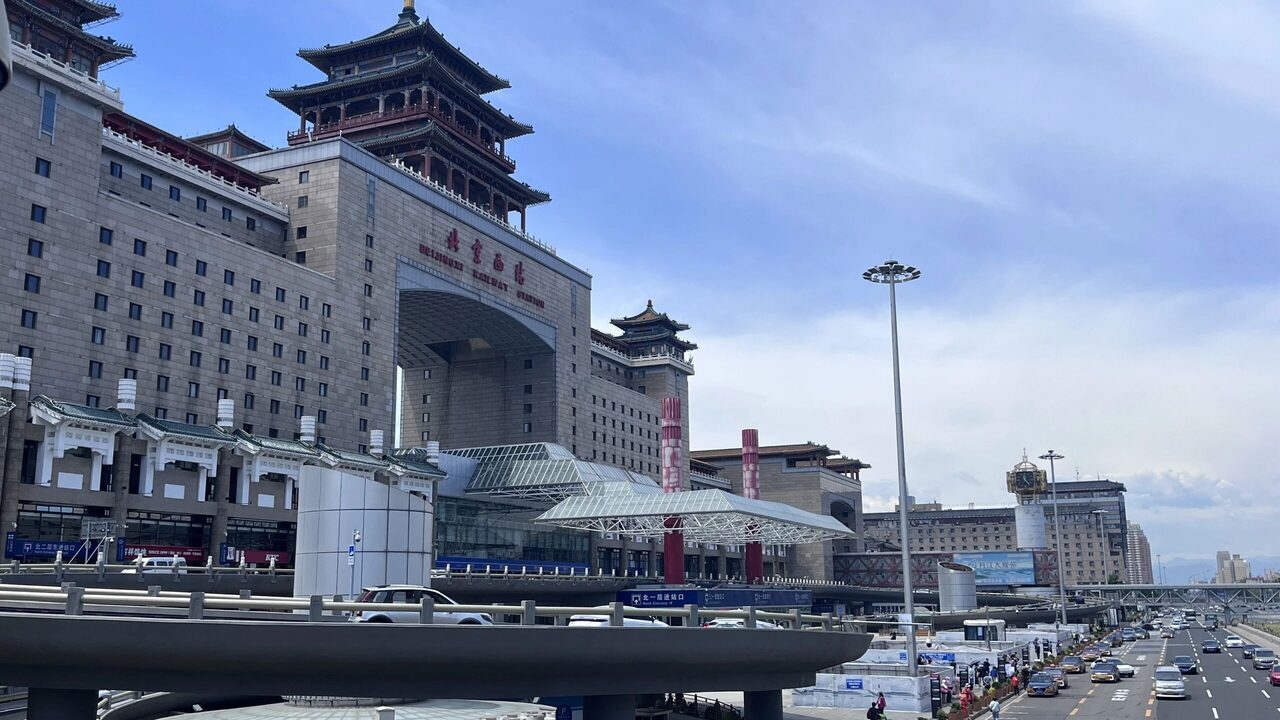
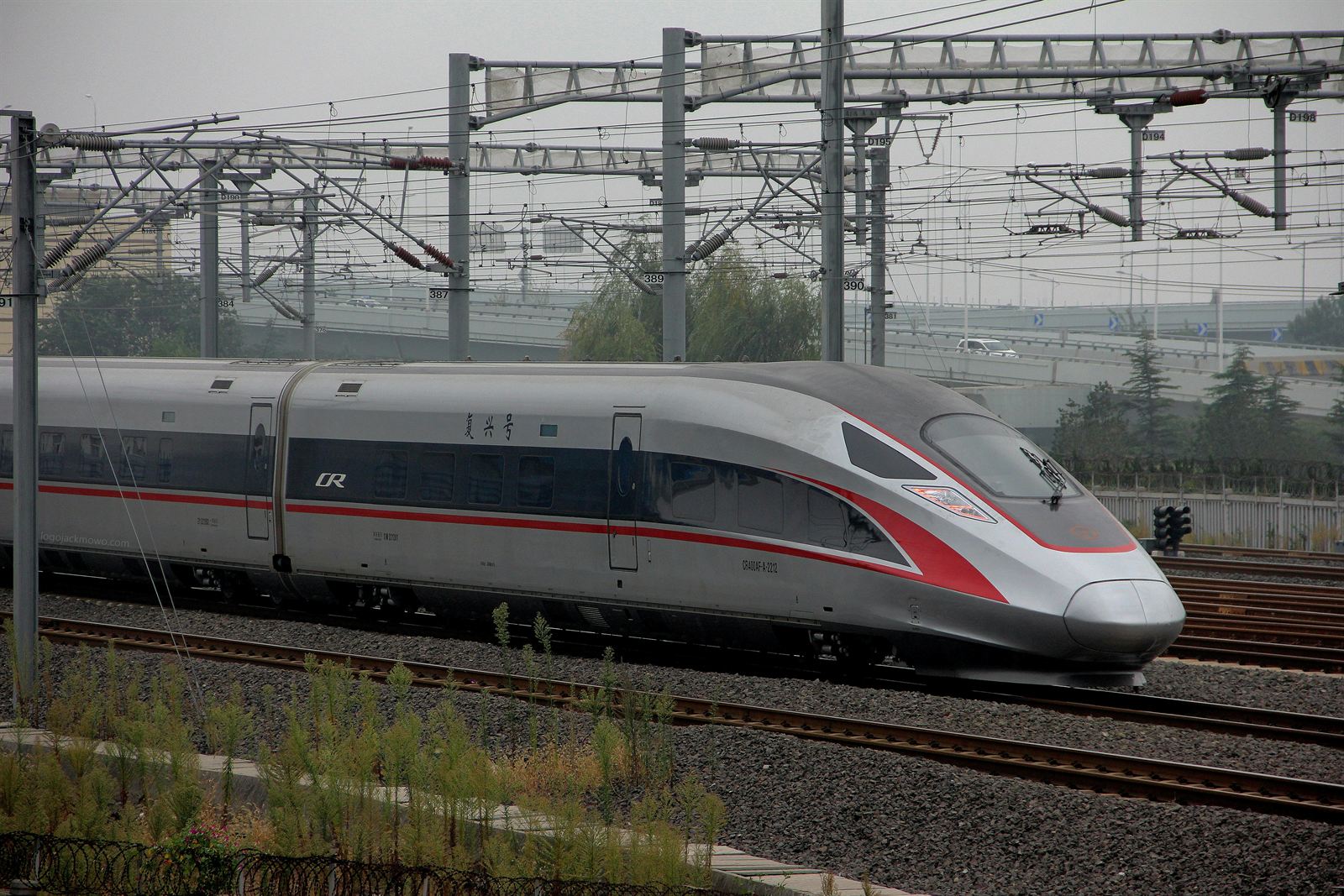
Beijing South Station handles the Jinghu line (Shanghai + Tianjin), Beijing West handles Xi'an + Hong Kong direction. ¥55 to Tianjin (299 trains/day), ¥553-933 to Shanghai, ¥515-825 to Xi'an. Book 12306 directly or use Trip.com. Read the Beijing↔Shanghai guide →
Where to Stay
For a first-time foreign visitor on a 3-5 day trip, where you sleep matters more in Beijing than in most Chinese cities — the city is huge, the metro stops at midnight, and a wrong-side-of-the-city hotel will eat 90 min off every plan.
Walking distance to Forbidden City + Tian'anmen + Wangfujing snack street. Premium pricing, classic luxury. Most-recommended for the 3-day “classic Beijing” first visit.
Modern luxury, expat dining, embassy quarter. 30 min by metro to Forbidden City. Best for nightlife, contemporary cuisine, and CBD business meetings.
Restored siheyuan courtyards, 4-15 rooms each. Atmospheric, quieter, cheaper than the 5-stars. Limited room counts — book 1-2 months ahead in peak season.
If you're hub-and-spoke-ing through Beijing on a multi-city China trip (Tianjin/Shanghai/Xi'an HSR), stay near the stations. Cheaper, less atmospheric — but saves 60 min of airport-style transfers.
What to Eat in Beijing — Peking Duck & Beyond
Foreign travelers underestimate Beijing food beyond duck. Yes, Peking duck is the headline (and yes, “Peking duck” and “Beijing duck” are the same dish — Peking is the old romanization). But the city also has the country's best Imperial cuisine, the busiest Halal scene outside Xi'an at Niujie, and old-Beijing hutong snacks that survived gentrification only in specific pockets.
Siji Minfu (¥200-300) is the local-favorite default. Da Dong (¥400+) is the modern, lacquered, photogenic version. Skip Quanjude (textbook prep, rough service, tour-bus crowds). Reserve 1 day ahead either way.
Family Li (Mei Fu Jia Yan) — 3rd-generation chef, Qing court recipes, hutong courtyard, private rooms only, ¥800+, book 2 weeks ahead. Najia Xiaoguan more accessible Manchu-court version (¥150-300, walk-in).
Entire blocks of Hui-Muslim restaurants around Niujie Mosque (city's largest, dating to 996 AD). Lamb skewers, pao mo (bread-soaked lamb soup), Xinjiang plov. Subway Line 7 to Caishikou. No reservations.
Huguosi Snack Street (Line 4 Ping'anli) and Niujie market for zhajiangmian (fried-bean noodles), luzhu (offal soup, acquired taste), douzhi (fermented mung-bean drink, even more acquired). Skip Wangfujing snack street — pure tourist trap.
Vegetarian + dietary tip: Hui-Muslim food contains lamb in nearly every dish — vegetarians should head to Beijing's Buddhist restaurants instead (Gongdelin, Pure Lotus near Forbidden City). The city is much milder than Sichuan, but expect MSG and substantial sodium in most home-style cooking.