Route guide · High-speed rail
Shanghai to Beijing by High-Speed Train (2026)
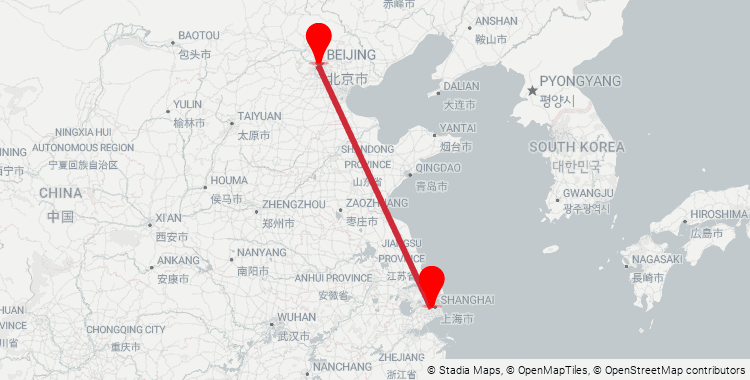
1,318 km, about 4h 18m on the fastest G-trains, 51+ a day — China’s flagship high-speed line, linking the two megacities downtown to downtown. The real question: train or plane?
China for Travelers EditorialUpdated Save this — opening times and closures changeRail data refreshed monthly
- 2nd class
- ¥626 – ¥695
- ~$88–98
- Frequency
- 51/day
- 06:18 – 21:22
- Train types
- G
- G = fastest
- Overnight
- Sleeper EMU
- ~12h · berths
Shanghai–Beijing G-trains arrive at Beijing South 北京南站 — central, on Metro 4 & 14. At 4½–6 hours the high-speed train beats flying city-centre to city-centre.
The route at a glance
Shanghai Hongqiao to Beijing South is the busiest high-speed rail corridor in the world by passenger volume — the 1,318-km flagship of China’s network, run by Fuxing (复兴号) trainsets at a scheduled 350 km/h. The fastest service is 4h 18m (one short stop or non-stop); most trains run 4h 18m – 6h with three to six intermediate stops, and there is about 51 a day each way from 06:18 – 21:22. Arriving from further afield first? See the Shanghai Hongqiao station guide.
Which station — at both ends
Shanghai and Beijing each have several rail stations, so the first thing to check when you book is which one your train actually uses — it changes how far you walk at each end.
Leaving Shanghai
Most trains leave Shanghai Hongqiao (上海虹桥) — the giant HSR hub on Metro 2 & 10, attached to Hongqiao Airport, with 50-odd Beijing departures a day from early morning to evening. A smaller share — fewer than a dozen a day — start from the more central Shanghai Station (上海站) on Metro 1, 3 & 4, near Nanjing Road and People’s Square. Travellers overwhelmingly default to Hongqiao for the choice of departures and easier holiday tickets; Shanghai Station is worth it only if you are staying central (the Bund, People’s Square, Jing’an) and one of its few departures fits your time — then it can save an hour of cross-town transit. Check both when you search. Coming from elsewhere first? See the Hongqiao station guide.
Arriving in Beijingcentral
Nearly all arrive at Beijing South (北京南站) — not Beijing West or Chaoyang, which serve other lines; only a handful use Beijing or Fengtai. Beijing South sits just south of the core on Metro Line 4 (north to the Forbidden City and Qianmen) and Line 14 (east to Sanlitun and the CBD), and the metro is inside the security perimeter — you transfer without being re-screened. Layout and exits in the Beijing South station guide.
Train vs flight — the honest comparison
This is the one decision worth making before you book. A flight is much shorter in the air, but on a downtown-to-downtown trip that lead shrinks to almost nothing — and the train is cheaper and far more reliable. Here is the trade laid out plainly:
| High-speed train | Flight | |
|---|---|---|
| Journey time | 4h 18m fastest (4h 18m – 6h) | ~2h15m in the air |
| Price (economy) | ¥626 – ¥695 | ¥750 – ¥1,800 + ¥50–250 tax/fuel |
| Door-to-door (real) | ~6–6.5h — both ends on the metro, central stations, ~15-min buffer. | ~6.5–7.5h — 2h check-in + the runs out to Pudong/Daxing + bag claim. |
| Reliability | Under 1% see a 15-minute delay; power at every seat; you can walk around. | Beijing weather and air-traffic control delay roughly 1 in 5 flights. |
- Take the train
- the default — it ties flying door-to-door, costs roughly half, lands you in the centre, and almost never runs late.
- Fly
- only if you are connecting straight to an international long-haul, or a flexible off-peak fare genuinely undercuts the train.
- Take the sleeper
- if you would rather travel overnight — the sleeper EMU (动卧) saves a hotel night and a day of travel.
The gap is smaller than it looks. The flight is ~2h15m in the air, but door-to-door it is closer to 6.5–7.5 hours: a 2-hour check-in (give yourself the full two hours — China airports are big and the process is unfamiliar), the long run out to an airport (Pudong sits ~45 km east of town, Beijing Daxing ~50 km south), plus bag claim and a metro-or-taxi at each end. Against the train’s ~6–6.5 hours centre-to-centre — Hongqiao and Beijing South are both on the metro — it is effectively a wash on time, and the train wins on price and on not being delayed.
Or sleep through it. Alongside the daytime G-trains, an overnight sleeper EMU (动卧) leaves roughly 20:30–21:30 and arrives 07:30–09:30 — about 12 hours, saving both a hotel night and a day of travel. A berth in the open six-bunk car (二等卧) runs from around ¥560; a four-bunk compartment with a door (一等卧) is about ¥730 and far more private. Ask for a lower bunk if you can — more room and no climbing — and pack earplugs and an eye mask; travellers rate the sleep ‘better than expected’, but the carriage is not silent. It books on 12306 or Trip.com like any other train; the train number changes, so search your date, and note some sleeper services use the more central Shanghai Station and Beijing Station.
Classes and price
The corridor has used dynamic pricing since 2024, so the exact fare depends on the specific train and time — but the bands are stable:
| Class | Price | Worth it? |
|---|---|---|
| Second classmost buy | ¥626 – ¥695 | 3+2 seating, power at every seat — what 95% of passengers buy. |
| First class | ¥1035 – ¥1111 | 2+2 seating, wider and quieter — worth it for tall travelers or working the 4+ hours. |
| Business class | ¥2158 – ¥2318 | Lie-flat pods, meal, lounge — roughly 3× 2nd class; hard to justify over a business-class flight. |
Pricing tip: the lowest second-class fares go to the slower 6h G-trains in off-peak mid-day slots; the fastest 4h 18m departures trend toward the top of the band. If saving a little matters more than saving 40 minutes, take the slower train — the seat is identical.
What's waiting in Beijing
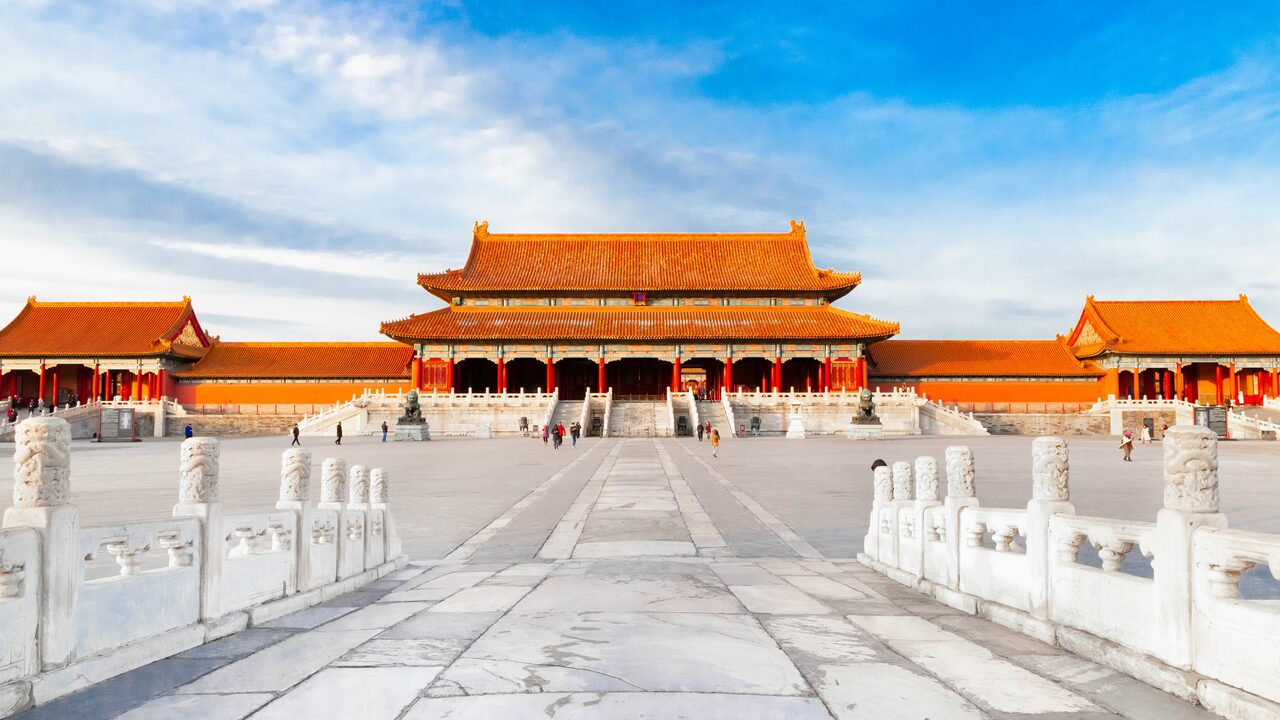
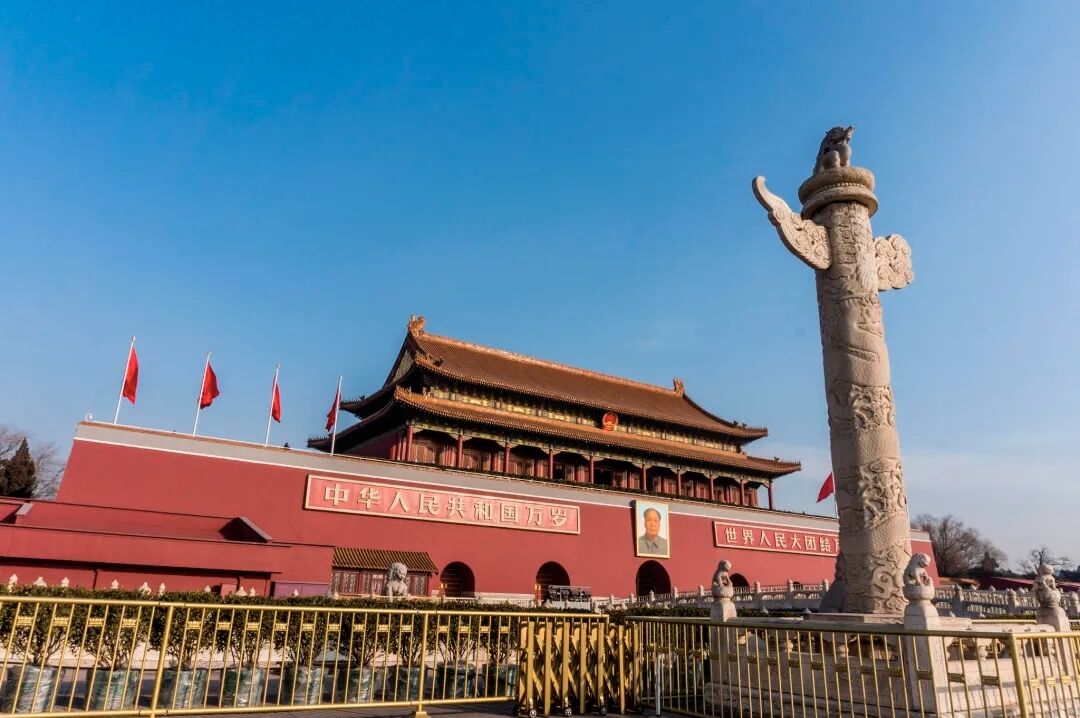
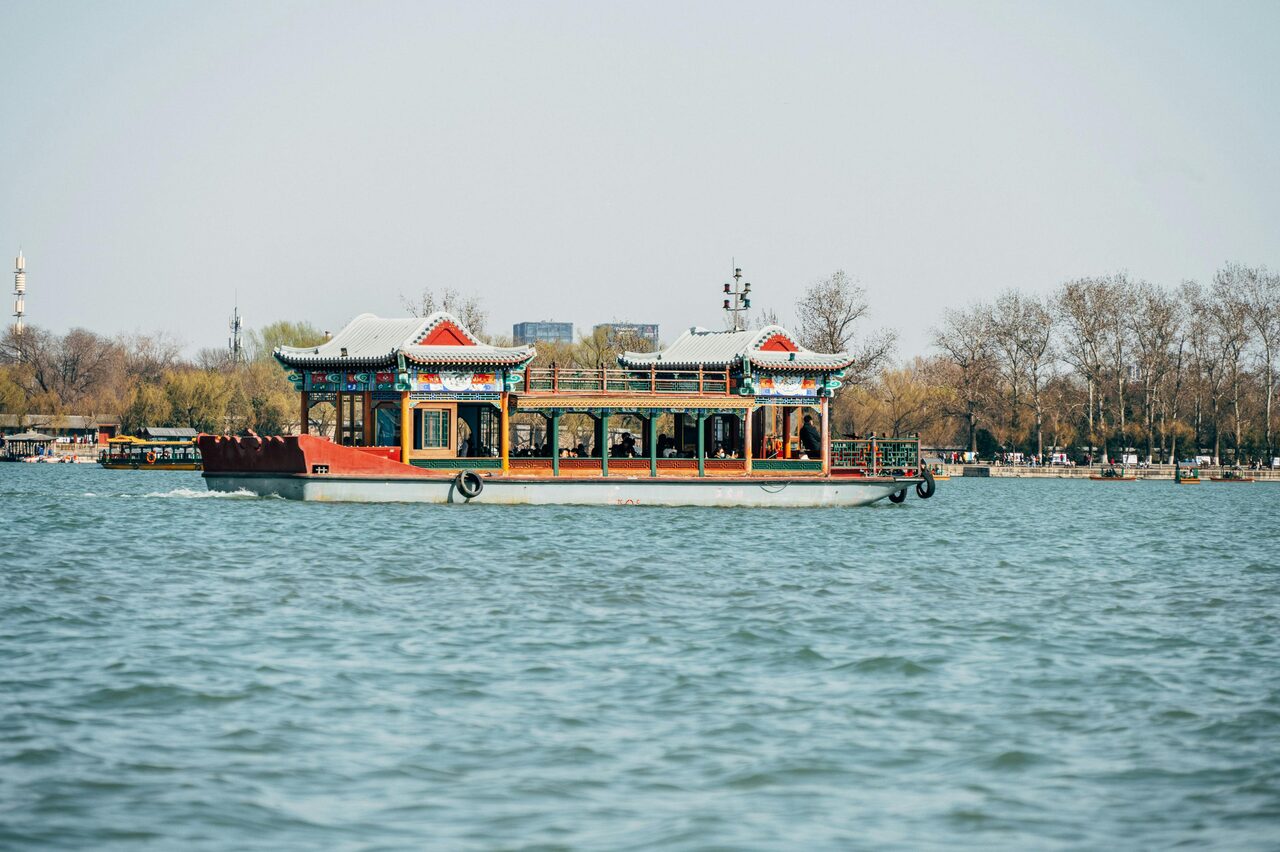
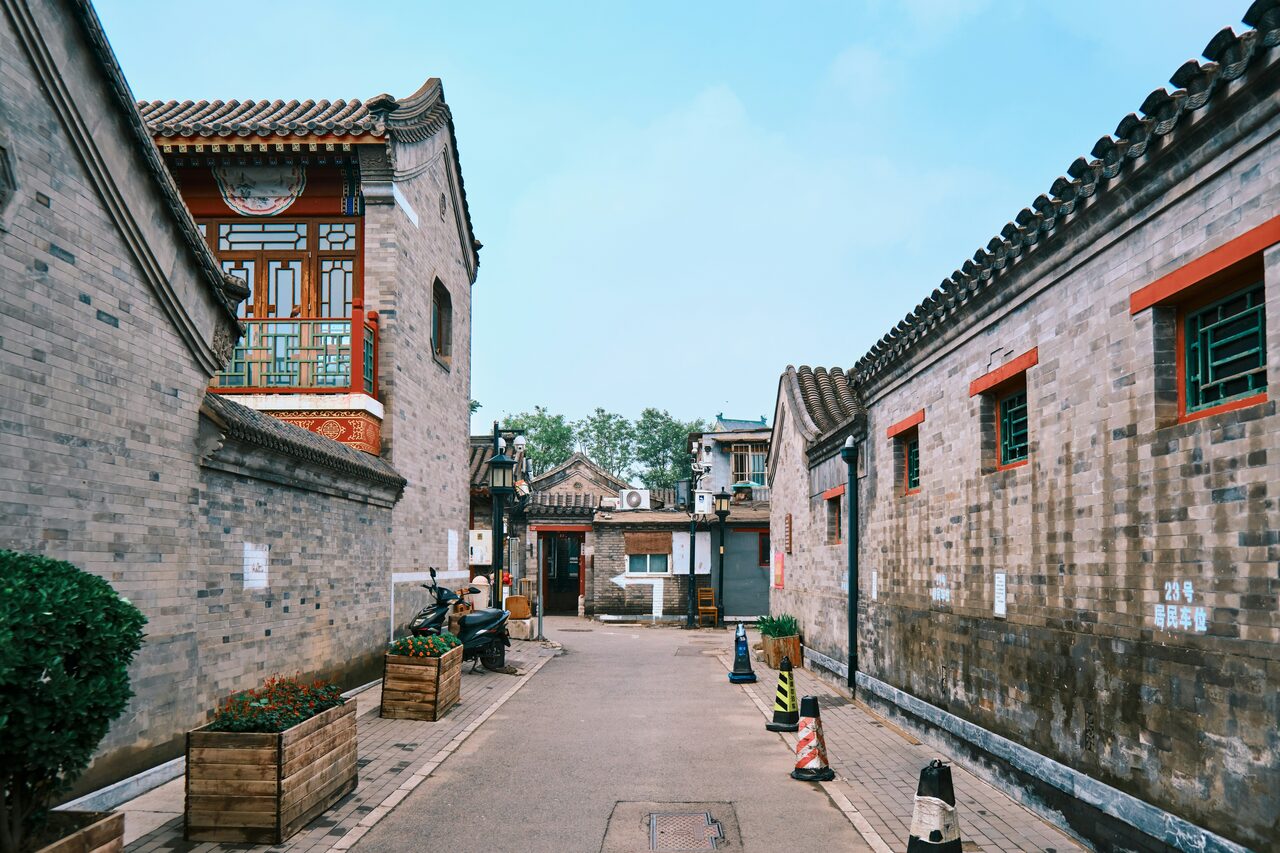
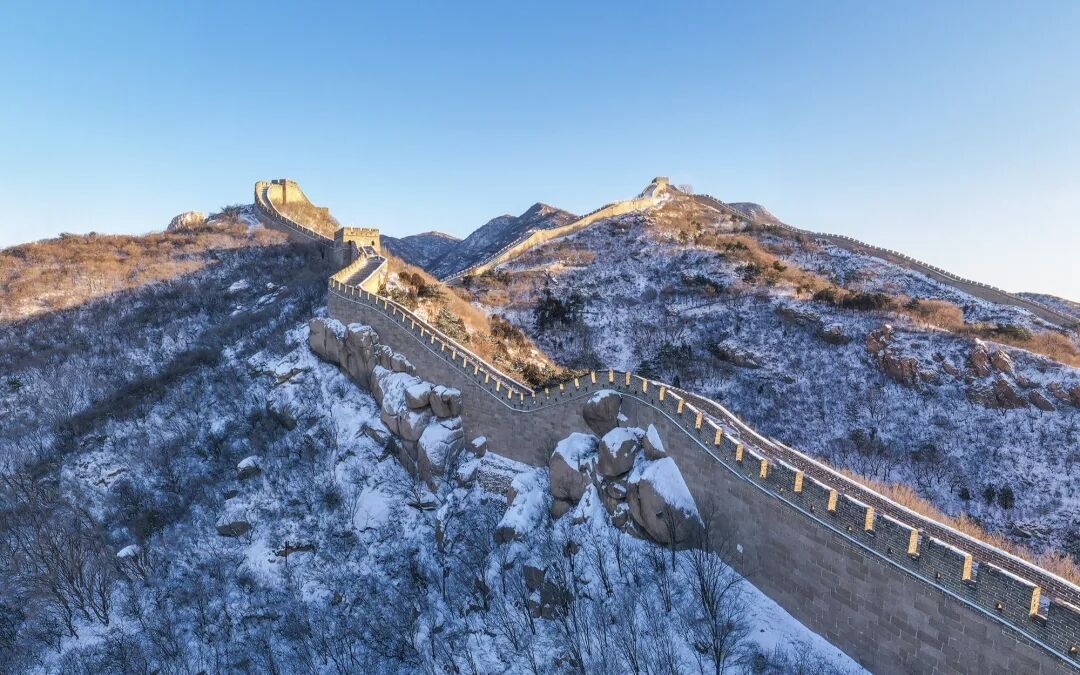
Unlike the short Shanghai day-trips, Beijing is an overnight-plus destination — plan at least two or three nights. The headline sights spread across the city: the Forbidden City and Tiananmen at the centre, the Great Wall a half-day trip out to Badaling or Mutianyu, the hutong alleys around the Drum Tower, and the Summer Palace in the northwest. For a full plan see the Beijing city guide.
How to book with a foreign passport
12306 English app — the official China Railway channel: face-value fares, no booking fee. The trade-off is hassle — passport registration must be approved before you can buy (often slow), and customer service is Chinese-first and limited if a booking goes wrong.
Trip.com ↗ — the same China Railway seats, booked in English with a foreign Visa or Mastercard, no verification wait and 24/7 multilingual support. It sells at the same 12306 face fare with no booking fee, and new-customer promotions can bring a first trip below face price. You can also add hotels, attraction tickets and tours to the same trip. See the booking walkthrough.
Real-name rule — the name and passport number on the ticket must match what you present; e-tickets are scanned at the gate, no paper pickup needed. Tickets open 15 days ahead — book the moment the window opens for Friday evenings, Sundays and Chinese holidays.
Book on Trip.comNASDAQ: TCOM
The international arm of Ctrip — one of the few platforms selling real China Railway tickets in English, to a foreign passport and card. (Is it legit? — 12306 vs Trip.com )
Arrived at Beijing South — getting to your hotel
Beijing South 北京南站 sits just south of the central core, so even a downtown hotel is a short onward metro or taxi leg. The metro is inside the station’s security perimeter, so you transfer without being re-screened — tap your card and go straight down. Line 14 is the quickest off the platform (the “南广场” exit, two levels down); Line 4 is a slightly longer walk. For a car, the DiDi / taxi pickup is on the underground B1 level, split into an east and a west plaza — the east plaza usually has the shorter queue, though late-evening arrivals can wait 10–20 minutes at peak. Times below are for the three areas foreign visitors most often base in. Picking an area first? See where to stay in Beijing.
| City area | Metro / Bus | Taxi / DiDi |
|---|---|---|
| Wangfujing 王府井 (downtown, by the Forbidden City) | Metro Line 14 → Yongdingmenwai, change Line 8 → Wangfujing (王府井). ~40 min, ¥4. | ¥25–40, ~25–35 min (7.7 km) |
| Qianmen / Dashilan 前门·大栅栏 (old town) | Metro Line 14 → Yongdingmenwai, change Line 8 → Qianmen (前门). ~35 min, ¥3. | ¥15–25, ~20 min (5.8 km) |
| Sanlitun 三里屯 (embassy / nightlife) | Metro Line 14 → Shilihe, change Line 17 → Gongti (工人体育场). ~50 min, ¥6. | ¥45–60, ~40 min (15.0 km) |
Transit times and driving distances via Amap (高德地图) routing, checked 2026-06-27. Beijing South is central on Metro 4 & 14. Taxi ranges reflect off-peak meter fares; surge during weekday rush hours. The no-re-screening transfer, B1 pickup plazas and platform-exit notes are from current traveller reports.
Frequently asked questions
How do I get from Shanghai to Beijing?
By high-speed train or by air. G-trains run Shanghai Hongqiao to Beijing South about 51 times a day, taking ~4h 18m, from ¥626 in second class (book on the official 12306 app or on Trip.com in English). Flights are ~2h 15m in the air but roughly tie door-to-door once airports are added — and the train is cheaper and lands you in the centre.
How long does the Shanghai to Beijing train take?
The fastest G-train does Shanghai Hongqiao to Beijing South in 4 hours 18 minutes (non-stop or one short stop). Most trains run 4h30m–5h30m with a handful of intermediate stops; the slowest take up to 6 hours, usually the earliest and latest departures.
How much is a train ticket from Shanghai to Beijing?
2nd class is ¥626–¥695 (~$88–$98) depending on the specific train and time. 1st class is ¥1,035–¥1,111. Business class (lie-flat seats) is ¥2,158–¥2,318. Fares are dynamically priced since 2024 — Friday evenings and Sunday afternoons trend toward the high end, off-peak weekday mid-mornings toward the low end.
Which station do Shanghai to Beijing trains use?
Most depart Shanghai Hongqiao (上海虹桥), the big HSR hub on Metro 2 & 10, with 50-odd Beijing departures a day. A smaller number — fewer than a dozen a day — leave the more central Shanghai Station (上海站) on Metro 1, 3 & 4; it is worth choosing only if you are staying near the Bund or People’s Square and one of its few departures fits your time. Nearly all arrive at Beijing South (北京南站), central on Metro 4 & 14; only a handful use Beijing or Fengtai.
Is the Shanghai to Beijing train faster than flying?
Air time is ~2h 15m vs ~4h18m on rails, but door-to-door it is roughly a tie: a flight needs a 2-hour check-in, the long runs out to Pudong or Daxing, and Beijing weather and air-traffic delays routinely add time. The train is about 6–6.5 hours centre-to-centre, almost always cheaper, and far more reliable — the default unless you’re connecting to an international long-haul.
Is there an overnight sleeper train from Shanghai to Beijing?
Yes. Alongside the daytime G-trains, an overnight sleeper EMU (动卧, a D-series train) leaves roughly 20:30–21:30 and arrives 07:30–09:30 — about 12 hours, with lie-down berths instead of seats: from around ¥560 in the open six-bunk car (二等卧), about ¥730 for a four-bunk compartment with a door (一等卧). Ask for a lower bunk and bring earplugs. It books on 12306 or Trip.com like any other train; the exact train number changes, so search your date. Some sleeper services use the more central Shanghai Station and Beijing Station.
How far is Shanghai from Beijing?
The rail distance is 1,318 km (819 mi). By road it’s ~1,200 km direct. The HSR line follows a slightly longer path through the Yangtze delta and North China Plain.
How many trains run between Shanghai and Beijing each day?
About 50 each way on the main Beijing–Shanghai HSR line, from roughly 6:18 AM to 9:22 PM, plus the overnight sleeper EMU. It is the busiest high-speed corridor in the world by passenger volume.
How early do I need to book?
Tickets open exactly 15 days before departure (Shanghai Hongqiao releases in batches from 8 AM). For non-holiday weekdays a day or two ahead is fine. Friday evenings, Sundays and major Chinese holidays (Spring Festival, Oct 1 Golden Week, May Day) can sell out within minutes — book the moment the window opens, and if it is gone, the waitlist (候补 on 12306, or Trip.com) clears often on this route and returned tickets resurface around 24 hours and 2 hours before departure.
Sources
Checked April 2026 · Written from our own first-hand travel in China.
Once the train gets you to Beijing
The corridor is the easy part — here is what to do with your days at the other end.