Suzhou
苏州A foreigner’s 2026 guide to Suzhou — the canal-and-garden city of the Yangtze delta. The UNESCO classical gardens, Tiger Hill and its leaning pagoda, the Pingjiang Road canals, the I.M. Pei museum, Suzhou’s delicate cuisine, and the 23-minute high-speed-rail hop from Shanghai.
Top Things to Do in Suzhou — The Classical Gardens, Tiger Hill & the Canals
Suzhou is built around one great idea — the classical scholar’s garden, a UNESCO World Heritage art form. Add Tiger Hill and its leaning pagoda, the Suzhou Museum by I.M. Pei, the Pingjiang Road and Shantang Street canal quarters, Hanshan Temple, the silk story, and the Jiangnan water towns. It rewards a slow, garden-and-canal pace.
The Classical Gardens — Suzhou’s UNESCO Marquee
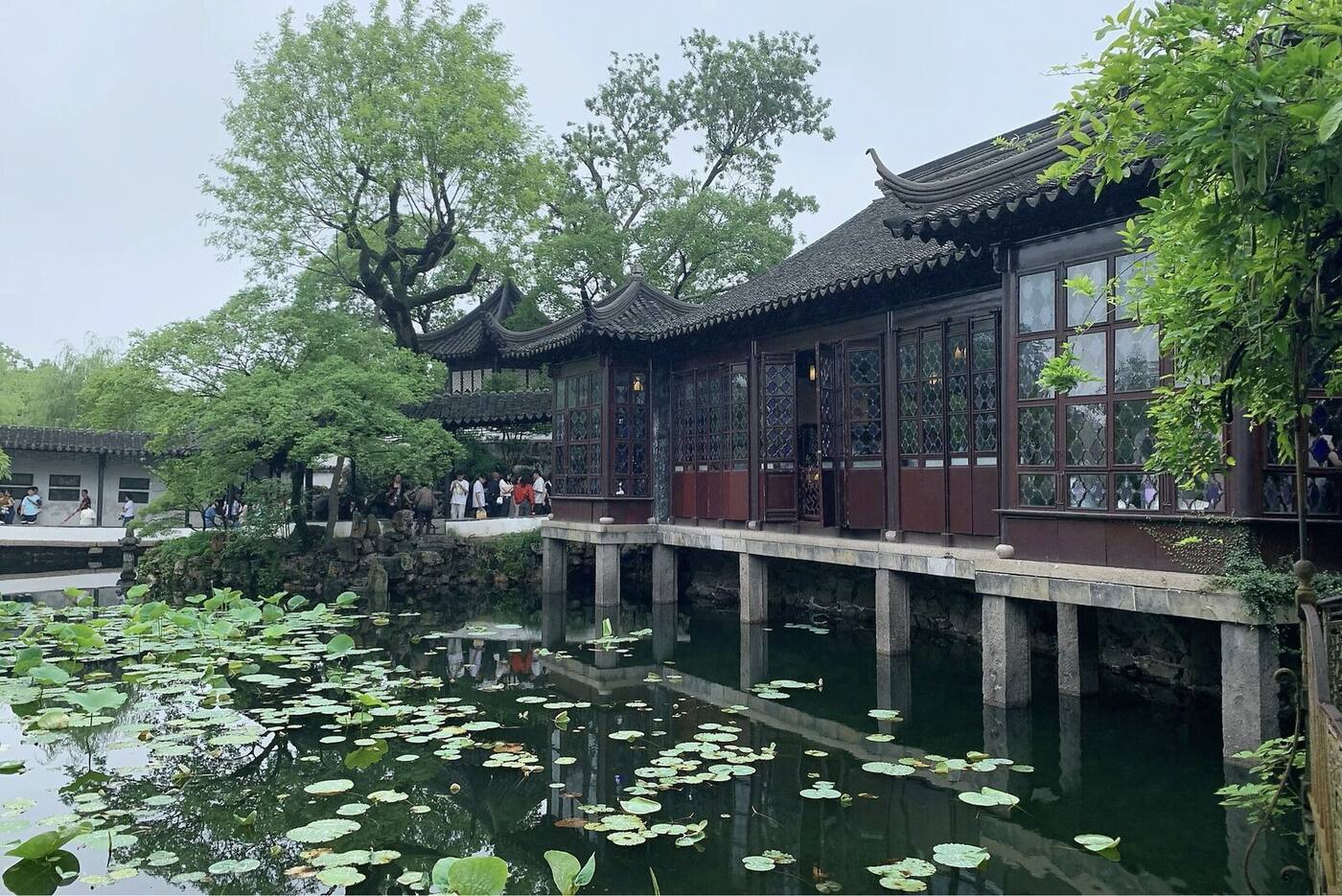
The sight Suzhou is built around — a group of meticulously composed scholar's gardens inscribed by UNESCO in 1997 and 2000 (nine gardens hold the listing). A visitor picks two or three: the Humble Administrator's Garden, the Lingering Garden, Lion Grove Garden and the Master of the Nets Garden. Miniature landscapes of rock, water and pavilions read like a scroll painting.
Humble Administrator’s Garden — The Great One
The largest and most famous of the Suzhou gardens — about 5.2 hectares laid out around broad ponds, built by a retired Ming official in the 16th century. The one to see if you see only one garden, and the most crowded — go the moment it opens. On Metro Line 6 拙政园苏博 station.
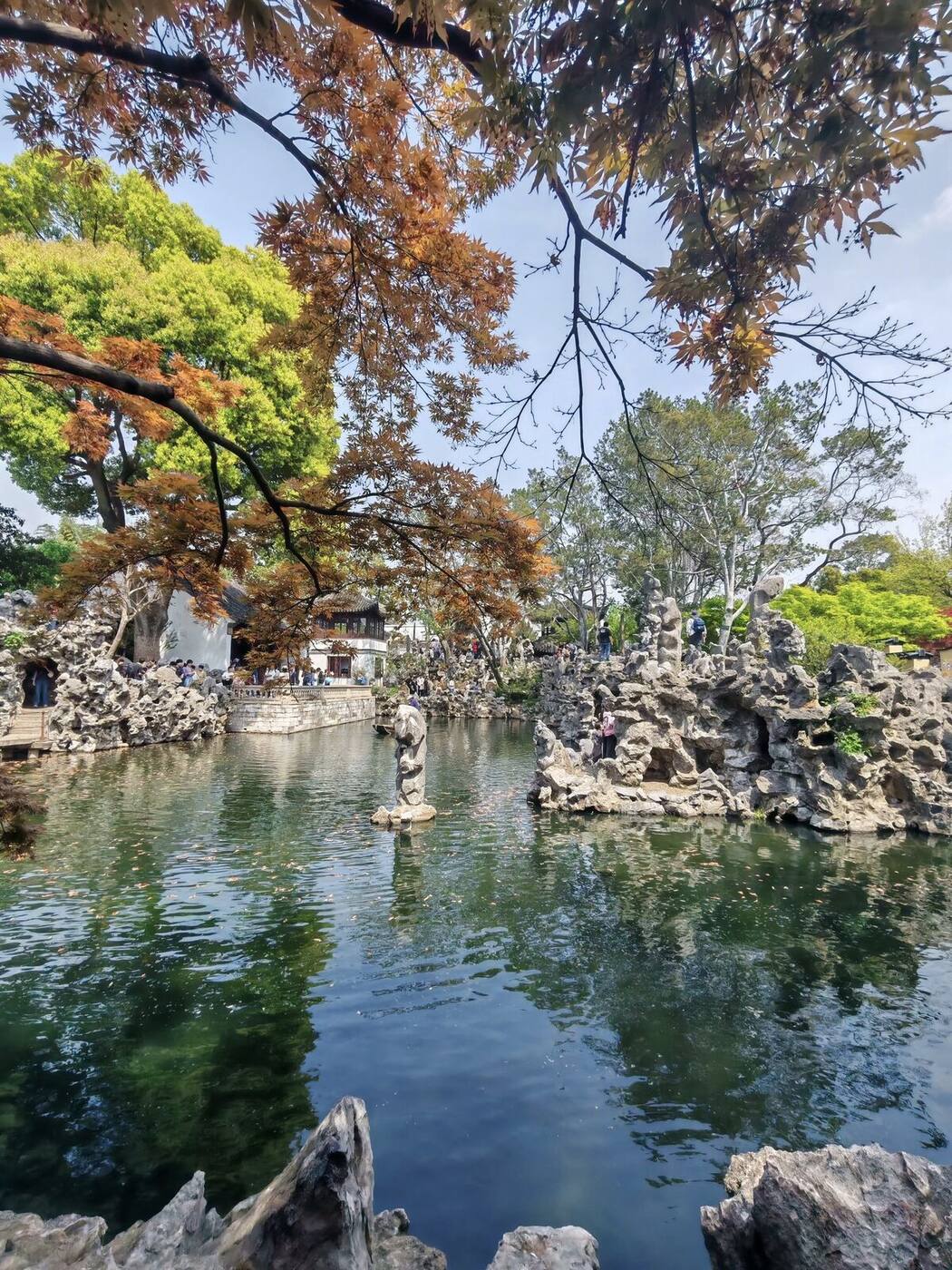
Lion Grove Garden — The Rockery Maze
Famous for its labyrinth of Taihu-rock grottoes — a man-made stone maze of caves and passages that children and families love to get lost in. Immediately south of the Humble Administrator's Garden, so the two combine naturally in one morning.
The Lingering Garden — Architecture & Rockery
The second of the great Suzhou gardens, celebrated for its sequence of halls, courtyards and corridors and the towering Crown of Clouds Peak, a single 6.5 m Taihu rock. In the northwest of the old town, near Tiger Hill — pairs naturally with a Tiger Hill morning.
Master of the Nets Garden — Small & Exquisite
The smallest and most refined of the four — a masterclass in making a tiny space feel infinite. In the south of the old town, near Metro Line 6 望星桥苏大. In season it stages an evening Kunqu-opera performance, room by room, by lantern light.
Suzhou Museum — I.M. Pei’s Last Great Building
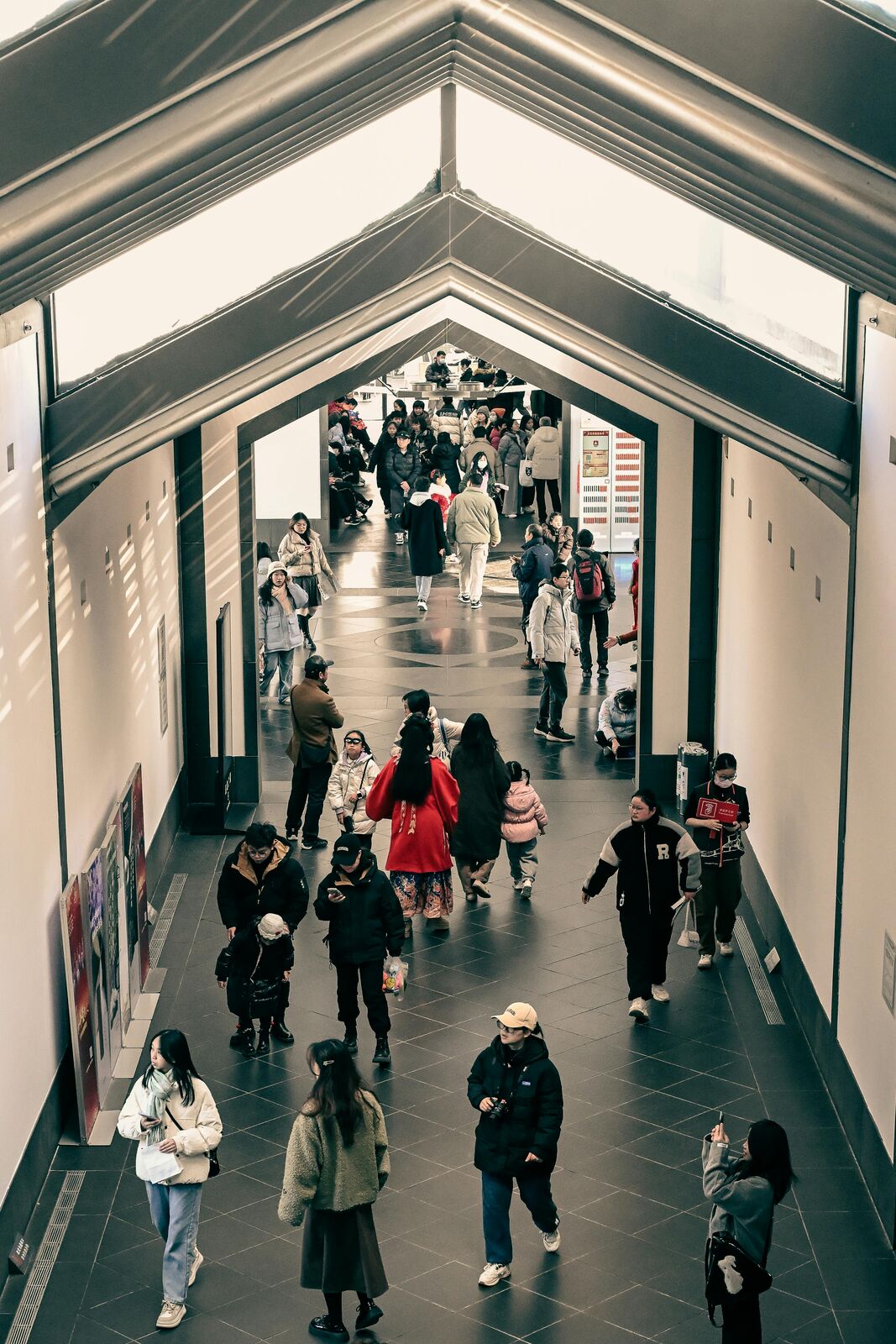
Designed by I.M. Pei — whose family was from Suzhou — and opened in 2006, widely regarded as his last major work: whitewashed walls, dark-grey roof lines, a sliced-stone garden. Admission is free but requires an advance timed-entry booking. Beside the Humble Administrator's Garden; closed Mondays.
Tiger Hill — Where Suzhou Was Founded
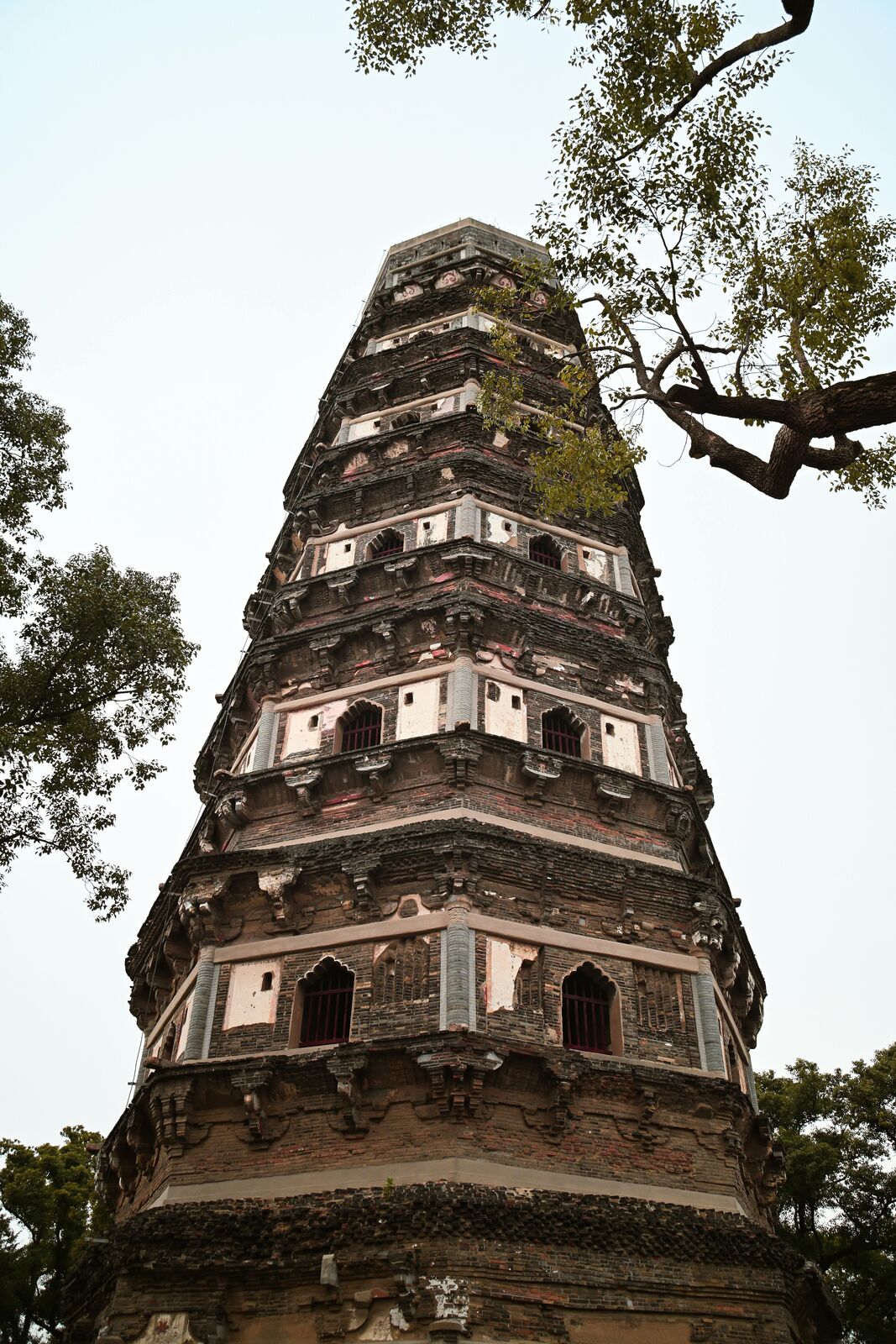
A wooded hill northwest of the old town, topped by the leaning Yunyan Pagoda — built in 961 AD and tilting like a Chinese Tower of Pisa. Suzhou's legendary founding site, with the Sword Pool, old wells and tea terraces. Metro Line 2 虎丘 station, ~350 m from the south gate.
Pingjiang Road — The Best Canal Street
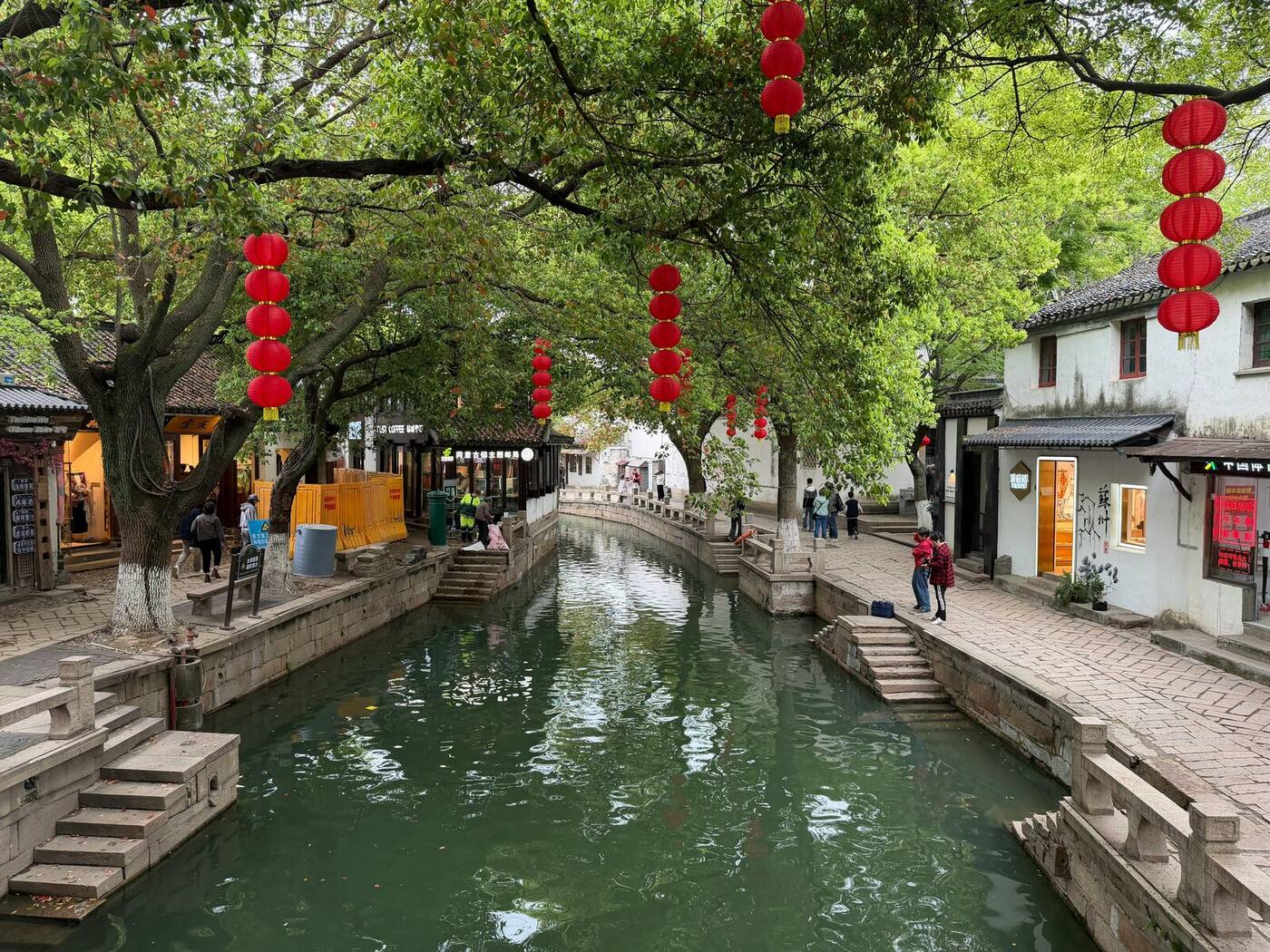
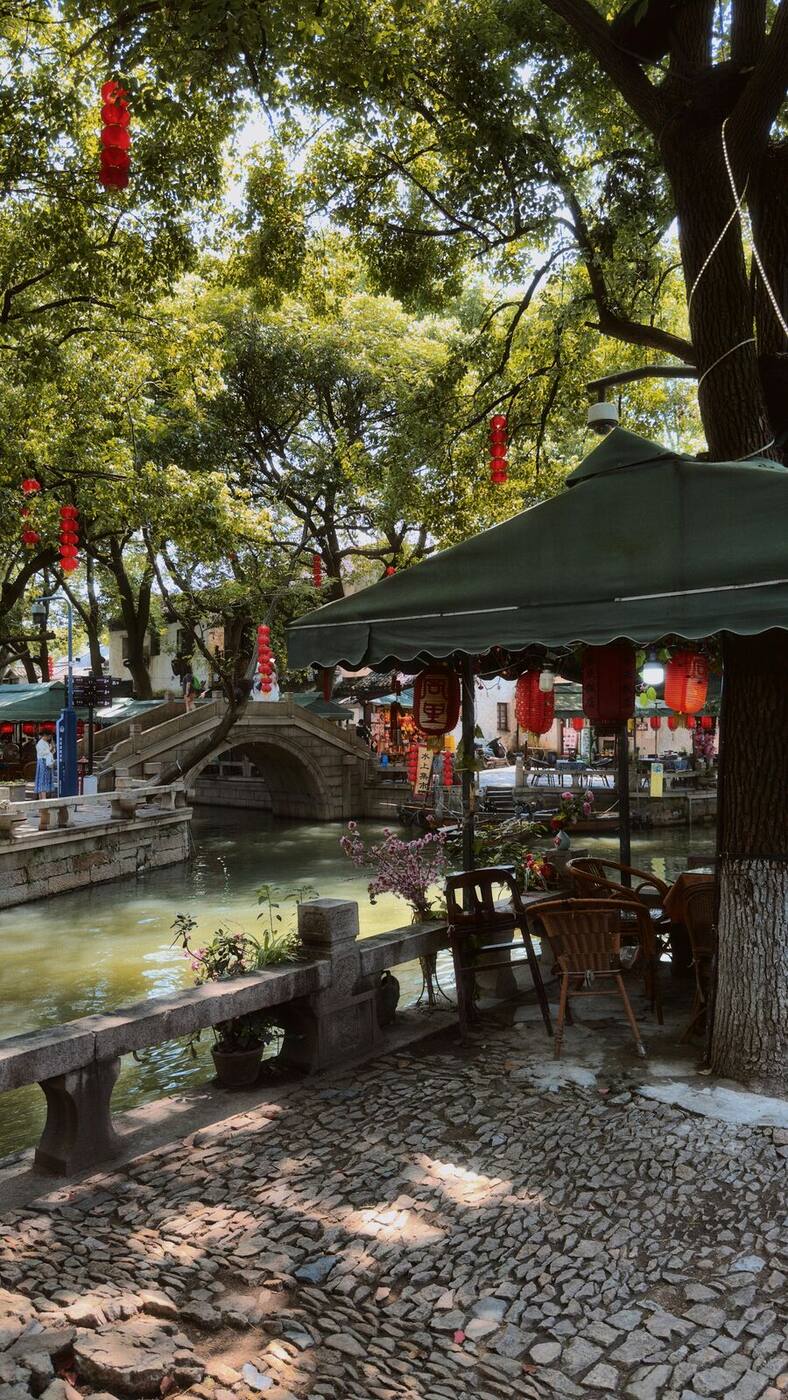
The best-preserved historic street in the old town — a ~1.6 km lane running beside a canal in the UNESCO buffer zone, lined with whitewashed houses, stone bridges, teahouses and Kunqu- and Pingtan-opera parlours. Loveliest in the early morning and after dark.
Shantang Street — The Tang-Dynasty Canal
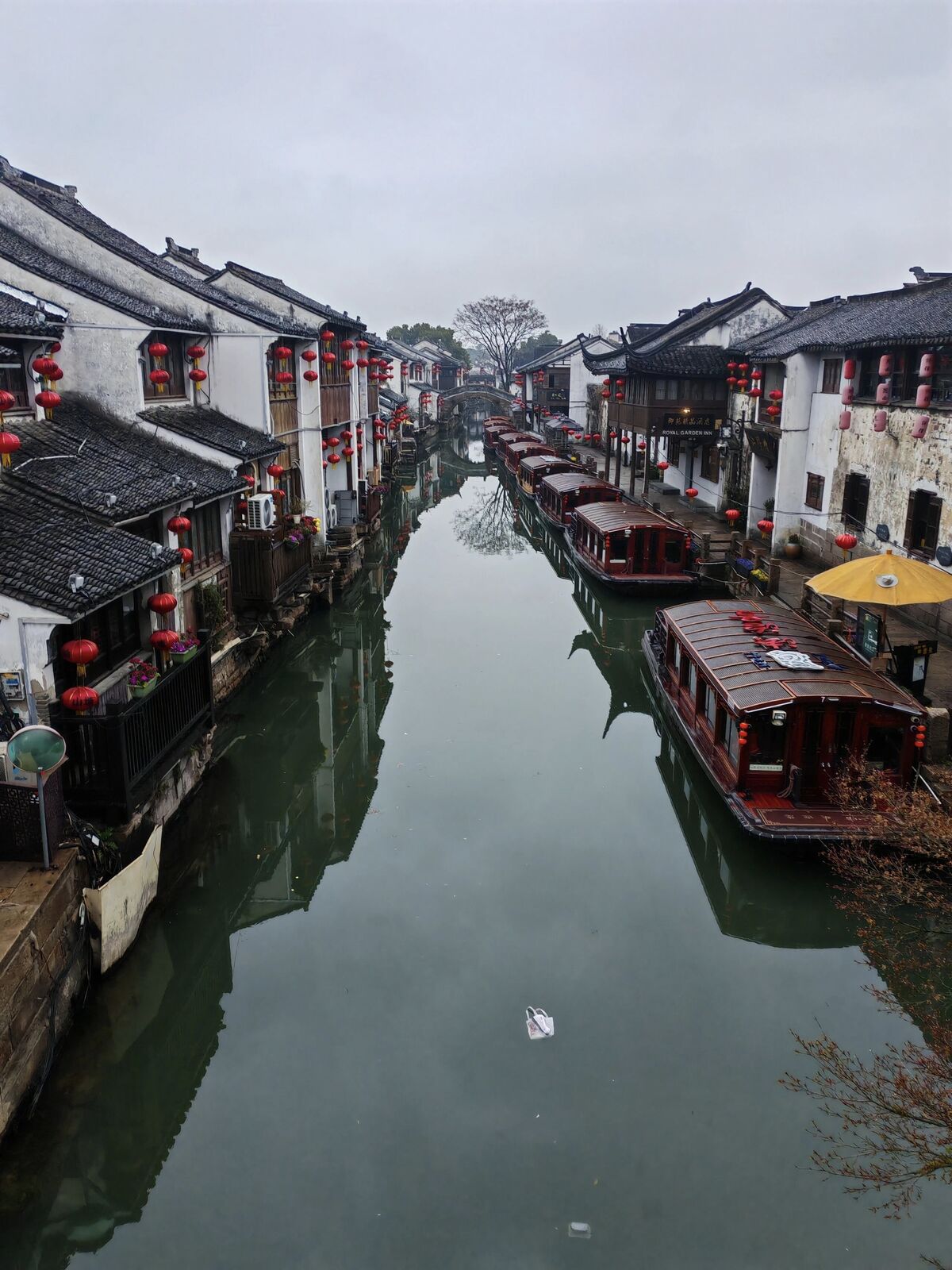
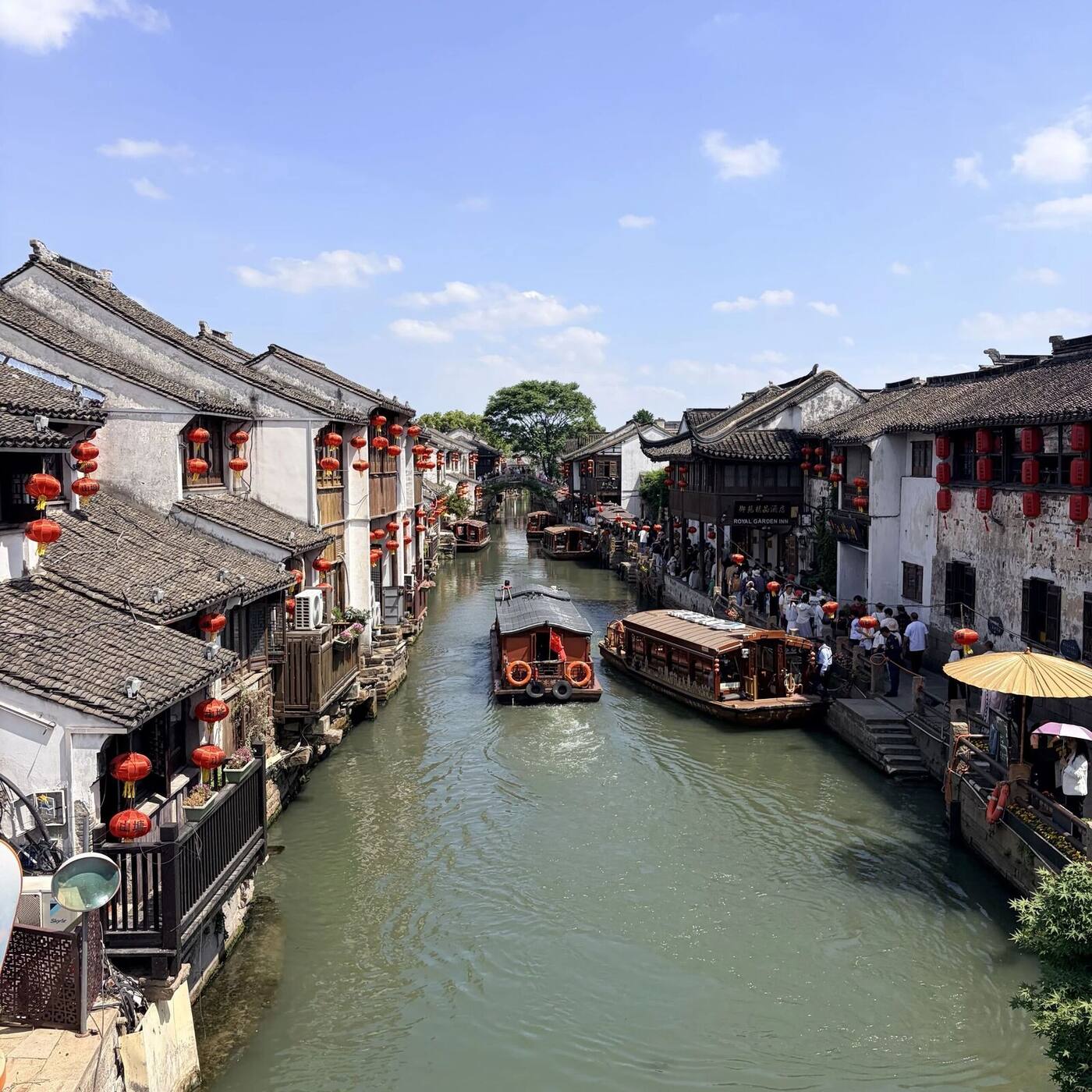
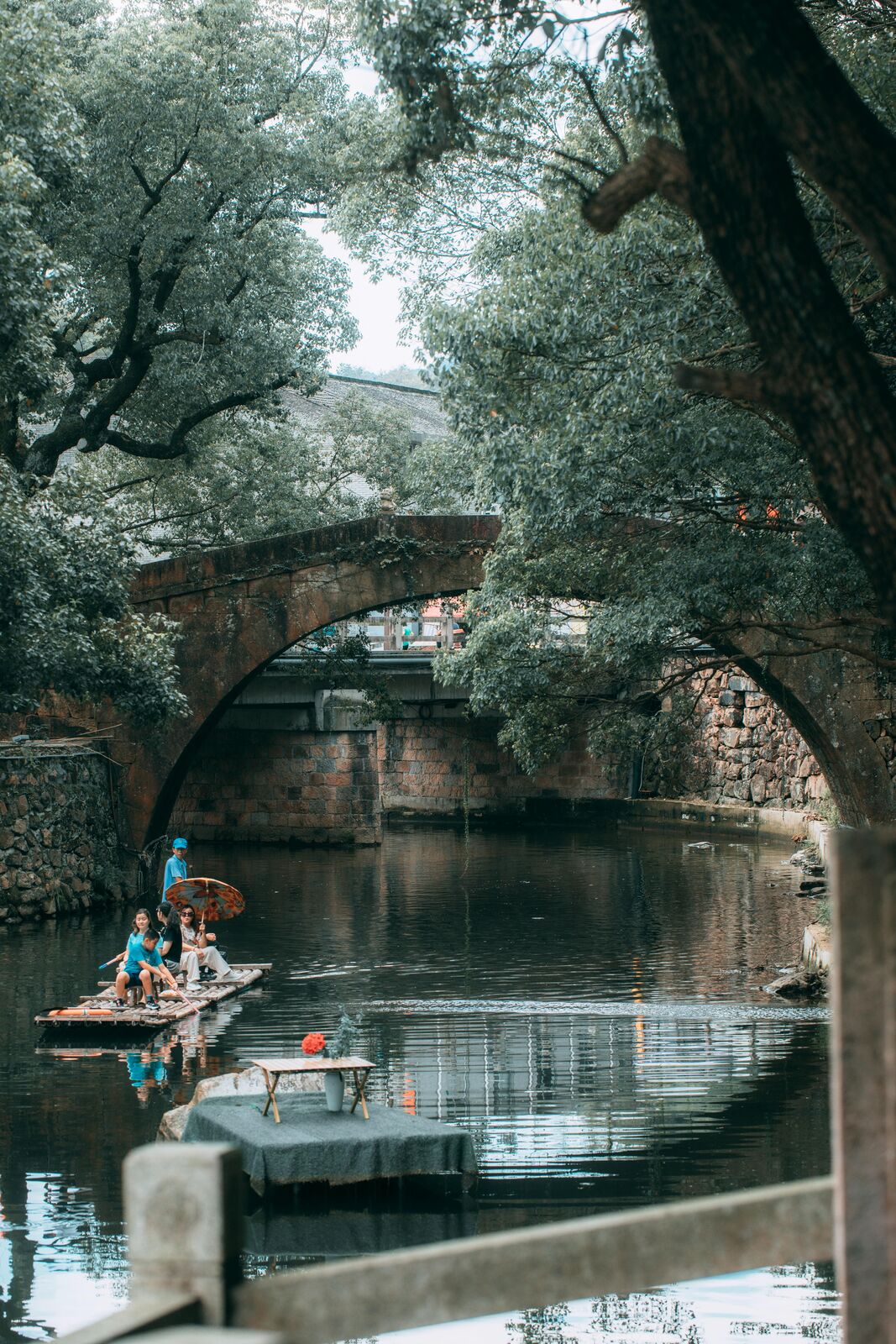
The 'Seven-Li Shantang' — a canal street built in the Tang dynasty around 825 AD, running northwest from Changmen toward Tiger Hill. Stone-arched bridges, old guild halls and night-lit waterfront restaurants; busier and more commercial than Pingjiang Road but genuinely atmospheric.
Hanshan Temple — The Cold Mountain Temple
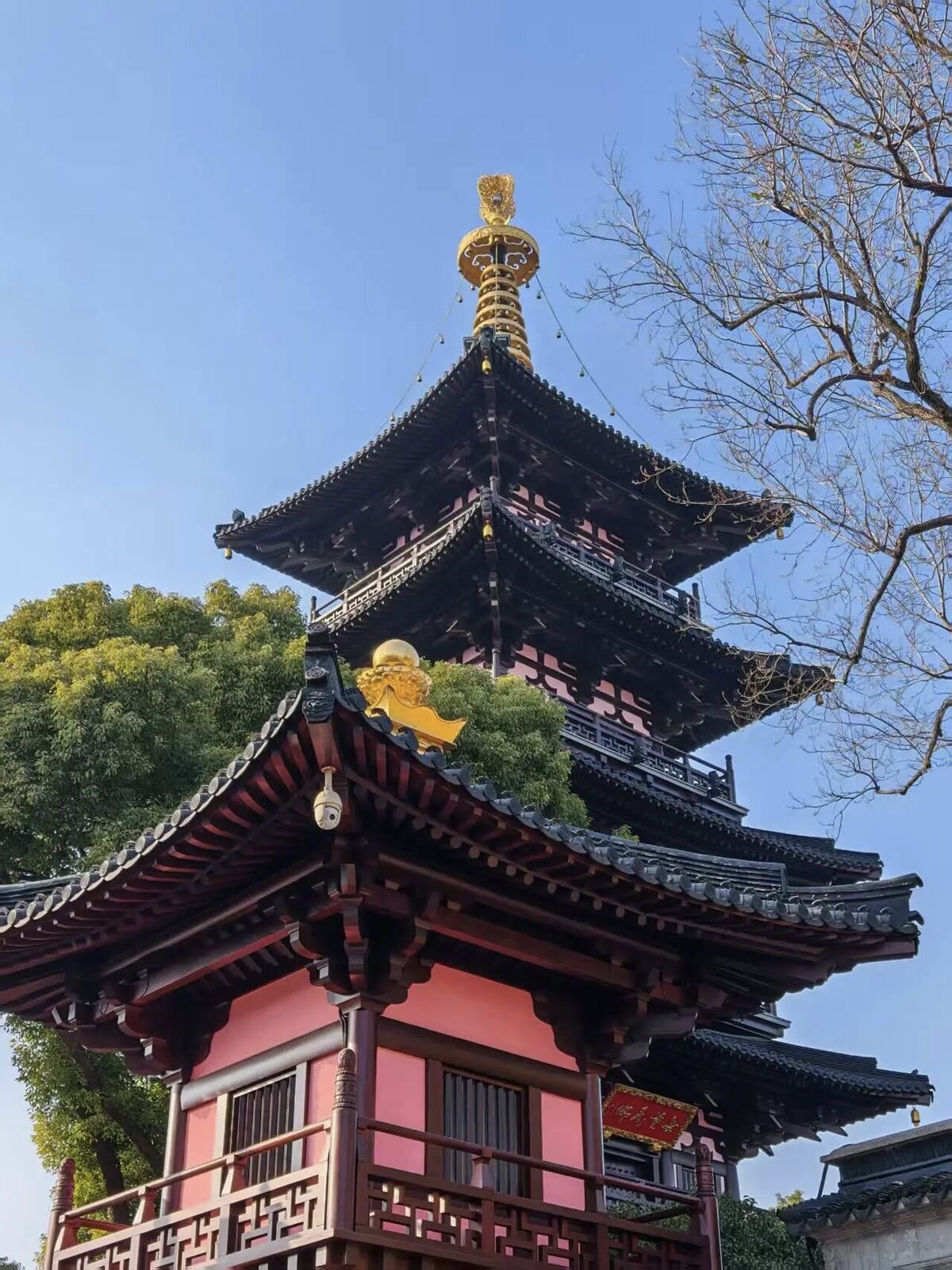
The 'Cold Mountain Temple' by the Grand Canal at Fengqiao (Maple Bridge), west of the old town — made famous by a Tang-dynasty poem every Chinese schoolchild learns, and by its great bell, rung 108 times on New Year's Eve. A 1,400-year-old Buddhist site.
The Silk Story — Museum & No. 1 Silk Mill
Silk made Suzhou rich for a thousand years. The Suzhou Silk Museum tells the story from the silkworm to the imperial loom; the working No. 1 Silk Mill shows reeling and weaving. The honest read on buying silk in Suzhou — and how to avoid the tour-bus silk 'factory'.
Water-Town Day Trips — Tongli & Zhouzhuang
The Jiangnan canal water towns within reach of Suzhou: Tongli (同里), a UNESCO-buffer canal town reachable on Metro Line 4, and Zhouzhuang (周庄), the most famous of all, ~1-1.5 hours away in Kunshan. Stone bridges, black-tiled houses and hand-poled boats — pick one per spare day.
Things to Do in Suzhou — The Full Guide
The full editorial run-down of what is worth your time in Suzhou — the classical gardens and the Suzhou Museum, Tiger Hill, the Pingjiang Road and Shantang Street canals, Hanshan Temple, the silk story and the water-town day trips — with honest reads on what to prioritise on a 2- or 3-day stop.
The Classical Gardens — The Sight Suzhou Is Built Around
Suzhou has one unmistakable claim: it is the world capital of the Chinese scholar’s garden. Nine of its gardens hold UNESCO World Heritage status, inscribed for an art form refined here over a thousand years — miniature landscapes of Taihu rock, still water, latticed windows and pavilions, each composed to be walked like a scroll painting unrolling. A visitor picks two or three: the grand Humble Administrator’s Garden, the architectural Lingering Garden, the maze-like Lion Grove, the tiny perfect Master of the Nets. Go the moment the gates open — by mid-morning the tour groups arrive.
Suzhou Itinerary — 2, 3, or 5 Days for First-Time Visitors
Most foreign travelers give Suzhou 1-3 days, very often as part of a Shanghai trip. 2 days covers the classical gardens and Tiger Hill. 3 days adds a water town and the silk story. 5 days turns Suzhou into the base for the whole Jiangnan triangle — day trips to Shanghai (23 minutes) and Hangzhou (25 minutes) by high-speed rail. Pick a duration to see the day-by-day plan.
The Humble Administrator’s Garden, Lion Grove Garden and the Suzhou Museum in the morning, then the Pingjiang Road canal quarter — teahouses, stone bridges and Kunqu-opera parlours — in the afternoon and evening.
Tiger Hill and the leaning pagoda, the Lingering Garden, and the Shantang Street canal. Add the Suzhou Silk Museum or the No. 1 Silk Mill — the craft that made the city rich for a thousand years.
A half-day at the Tongli canal water town (reachable on Metro Line 4) or Zhouzhuang. Back in the city, the Master of the Nets Garden — the smallest and most refined garden — and, in season, its evening Kunqu-opera performance.
Emergency Essentials — Hospitals, PSB Offices & Consular Routing
Suzhou has no operating Western consulate. The US, UK, Canadian, Australian and other east-China consular networks are based in Shanghai — and Suzhou sits closer to Shanghai than any other major Jiangnan city, roughly 25-30 minutes away by high-speed train (Suzhou or Suzhou North to Shanghai Hongqiao — see the Shanghai-to-Suzhou guide). A foreigner who loses a passport in Suzhou should phone their Shanghai consulate (or Beijing embassy) for instructions and will normally travel to Shanghai for in-person emergency-travel-document issuance — an easy same-day round trip. The local Suzhou PSB handles the police-report step regardless of where you travel for consular processing. The main municipal Exit-Entry office is at 平海路328号 by Pinglong Road East metro (Line 4); a central Gusu District window at 解放东路117号 serves the old-town garden district, and a Suzhou Industrial Park branch serves the modern Jinji Lake side. The foreigner-experienced hospitals are the Soochow University-affiliated hospitals — the First Affiliated Hospital has a central old-town campus on Shizi Street and a large modern main campus in the north.
Data verified against Amap (高德地图) on 2026-05-22. Editorial filter + ranking by an editor based in mainland China since 2018 (NOT a Suzhou resident; data is Amap-verified and aggregated from official sources).
National Emergency Phone Numbers (mainland China)
Hospitals
For medical emergencies dial 120 (ambulance). The major hospitals listed below are large, well-equipped, and most likely to have English-speaking staff. For non-emergency visits, ask your travel insurance for in-network options.
First Affiliated Hospital of Soochow University (Shizi Street Campus)
苏州大学附属第一医院(十梓街院区)First Affiliated Hospital of Soochow University (Main Campus)
苏州大学附属第一医院(总院)Fourth Affiliated Hospital of Soochow University (Dushu Lake Hospital)
苏州大学附属第四医院(苏州市独墅湖医院)PSB Exit-Entry Offices
Public Security Bureau Exit-Entry offices handle lost-passport reports, visa extensions, and foreigner residency registration. Use the most central municipal office for a standard lost-passport report; provincial or city-level offices handle complex cases such as visa-category changes.
Suzhou PSB Exit-Entry Administration (Main Office)
苏州市公安局出入境管理支队Suzhou Gusu District PSB — Exit-Entry Window
苏州市公安局姑苏公安分局出入境办证窗口Suzhou Industrial Park PSB — Exit-Entry Reception Hall
苏州工业园区公安分局出入境接待大厅Getting Around Suzhou — Metro, the Stations & HSR
Suzhou’s old town is compact, flat and walkable — the metro does the long-haul work between the old town, the railway stations and the modern Jinji Lake side. Suzhou has no airport of its own; you arrive by high-speed rail from Shanghai or Wuxi.
Line 6 (opened 2024) serves the garden cluster at 拙政园苏博; Line 2 links both railway stations and Tiger Hill; Line 4 runs to the Tongli water town; Line 1 crosses the city. ¥2-9 by distance, tap in with an Alipay or WeChat QR.
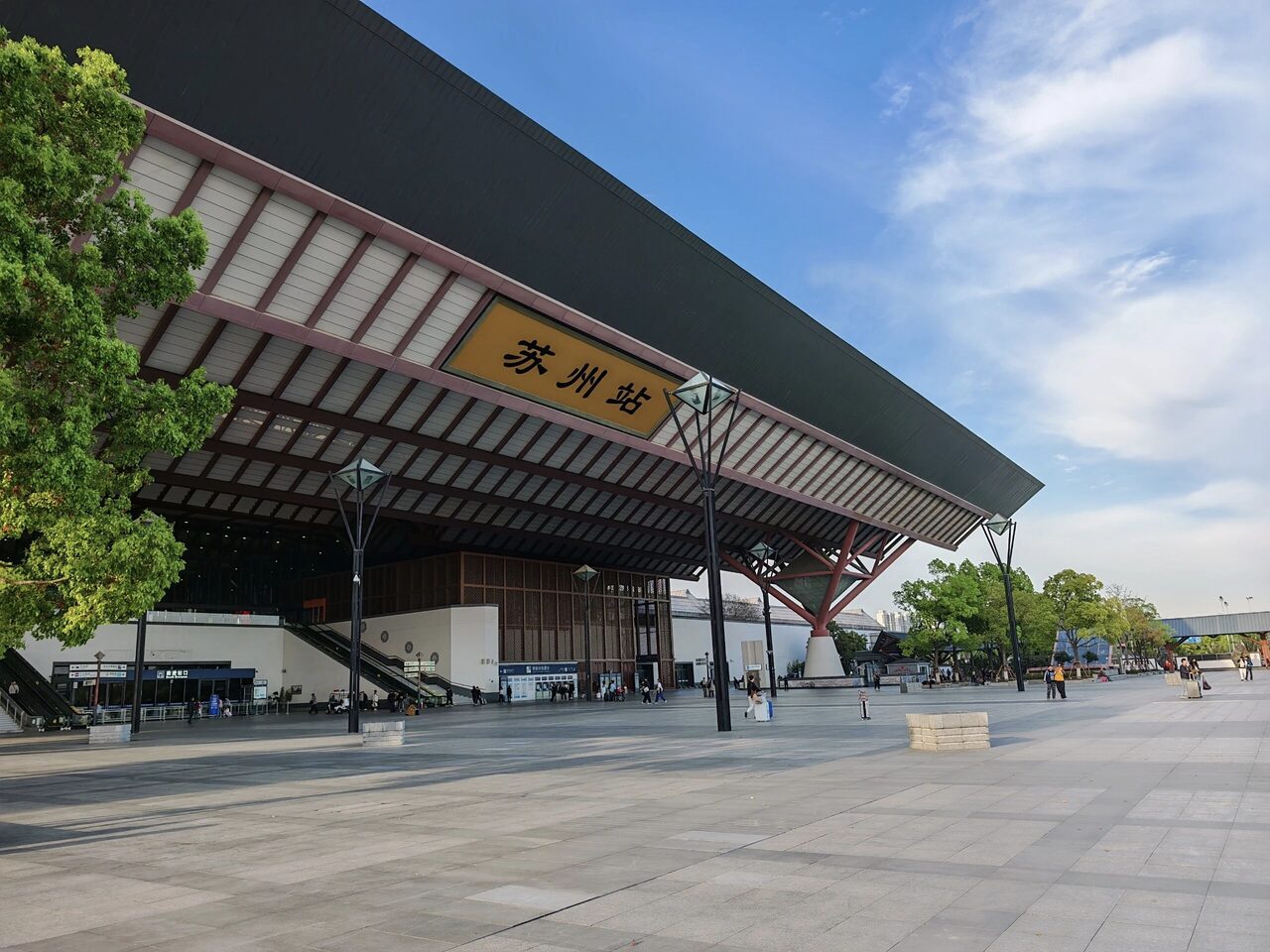
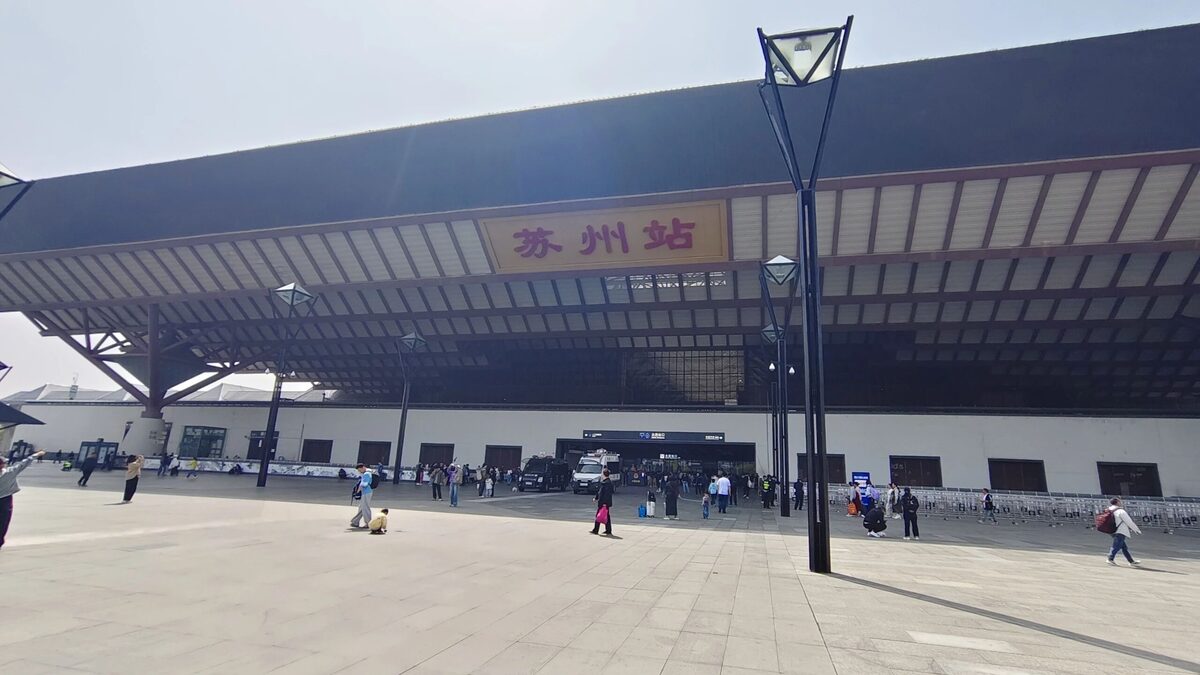
Suzhou Station (central) is ~2.3 km from the gardens and on Metro Line 2/4. Suzhou North is the 350 km/h HSR hub far to the north, on Line 2 — ~28 minutes apart. Read the station name on your ticket.
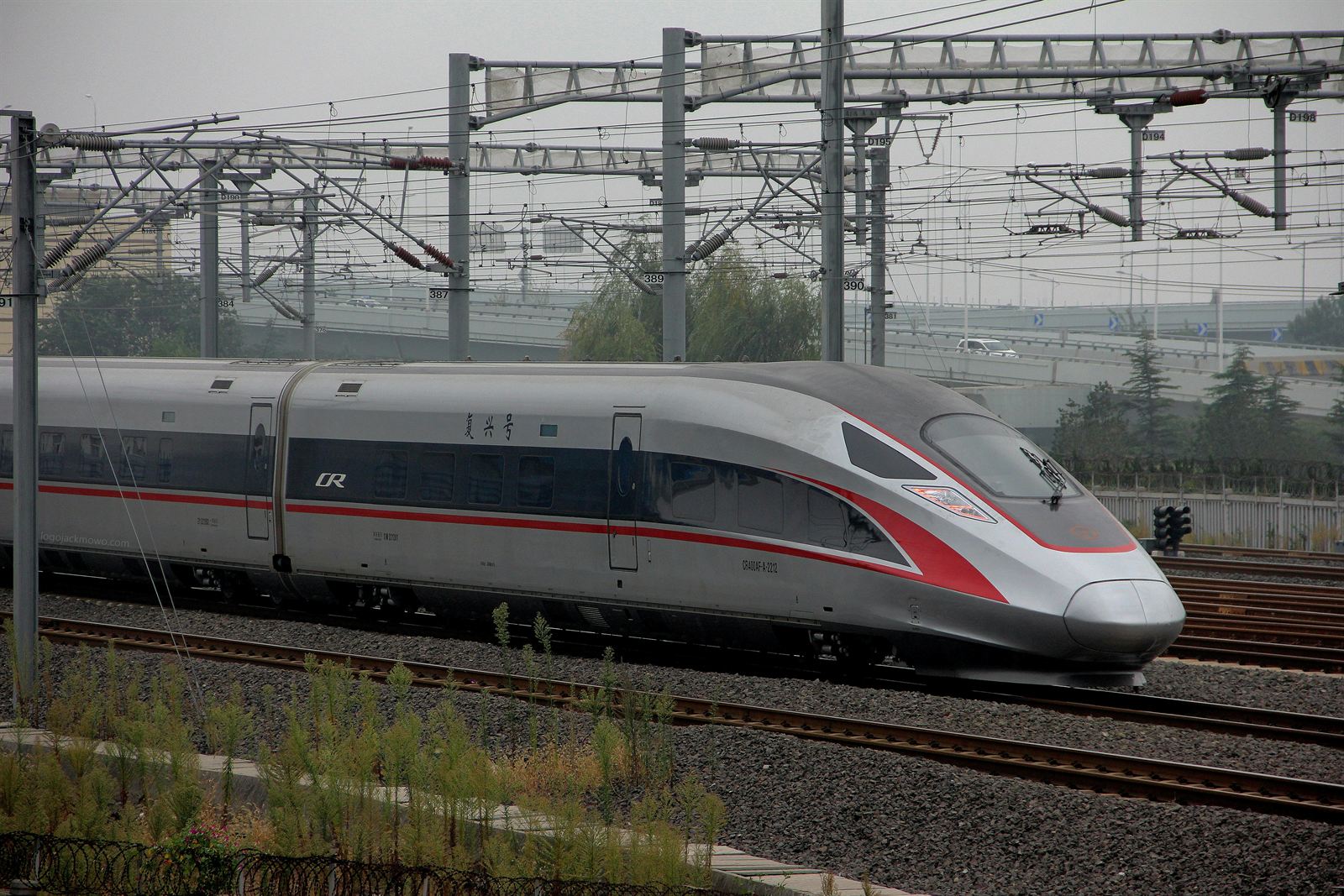
Suzhou has no airport. Fly into Shanghai Pudong (PVG) or Hongqiao (SHA), or Wuxi (WUX), then take a high-speed train — Shanghai Hongqiao to Suzhou is ~23-30 minutes. Book on 12306 or Trip.com.
Where to Stay
For a first Suzhou trip, base in the Pingjiang Road old town — the canals and the classical gardens on your doorstep. The other four areas suit specific priorities.
The restored canal quarter in the northeast of the walled city — the classical gardens and the Suzhou Museum a short walk away, Metro Line 6, 20+ restaurants within 500 m. The pick for a first visit.
The old town’s commercial-and-dining heart around Metro Line 1 察院场 — department stores, snack streets and the historic Suzhou-cuisine house Deyuelou. The most central base.
The northwest old town around the Tang-dynasty Shantang canal — atmospheric canal-side hotels near the Lingering Garden and Tiger Hill, Metro Line 2 山塘街.
Jinji Lake / Suzhou Industrial Park is the modern lakeside CBD — malls and international hotels, Metro Line 1/3, but ~40 min from the gardens. Stay by Suzhou Station only for an HSR-bookended multi-city trip.
What to Eat in Suzhou — Suzhou Cuisine & Biluochun Tea
Suzhou cuisine (苏帮菜) is one of the gentlest regional Chinese cuisines — delicate, lightly sweet, seasonal, freshwater-focused and almost free of chilli. Four things, plus the tea, define a first visit.
A whole mandarin fish scored, deep-fried until it splays open like a squirrel’s tail, and dressed in a glossy sweet-and-sour sauce — Suzhou’s banquet showpiece.
Aozao noodles — a clear, deep broth and a topping you choose — is the Suzhou breakfast; the three-shrimp noodle is the early-summer luxury bowl, hand-peeled river shrimp.
Suzhou is China’s capital of delicate sweets — osmanthus cakes, glutinous-rice sweets, Suzhou-style mooncakes — anchored by Daoxiangcun (founded here in 1773).
Biluochun — ‘Green Snail Spring’ — is a tightly curled, downy green tea grown on Dongting Mountain by Lake Tai, one of China’s ten most famous teas.
Where to eat: Deyuelou (得月楼) and Songhelou (松鹤楼), the historic Suzhou-cuisine institutions around Guanqian Street, are the place for the banquet classics; the Pingjiang Road and Shantang Street old quarters are dense with Suzhou-cuisine restaurants, noodle houses and snack stalls.