Hangzhou
杭州A foreigner’s 2026 guide to Hangzhou — the lake-and-garden city at the southern end of the Grand Canal. West Lake, the temples in the western hills, the Longjing tea terraces, Hangzhou’s gentle cuisine, and the 45-minute high-speed-rail hop from Shanghai.
Top Things to Do in Hangzhou — West Lake, Lingyin Temple & the Tea Hills
Hangzhou is built around one great sight — West Lake, a UNESCO World Heritage cultural landscape of causeways, islands and pagodas. Add Lingyin Temple in the western hills, the Xixi wetland, the Qinghefang old street, the Grand Canal, and the Longjing tea villages. It rewards a slow, garden-and-tea pace.
West Lake — Hangzhou’s UNESCO Marquee
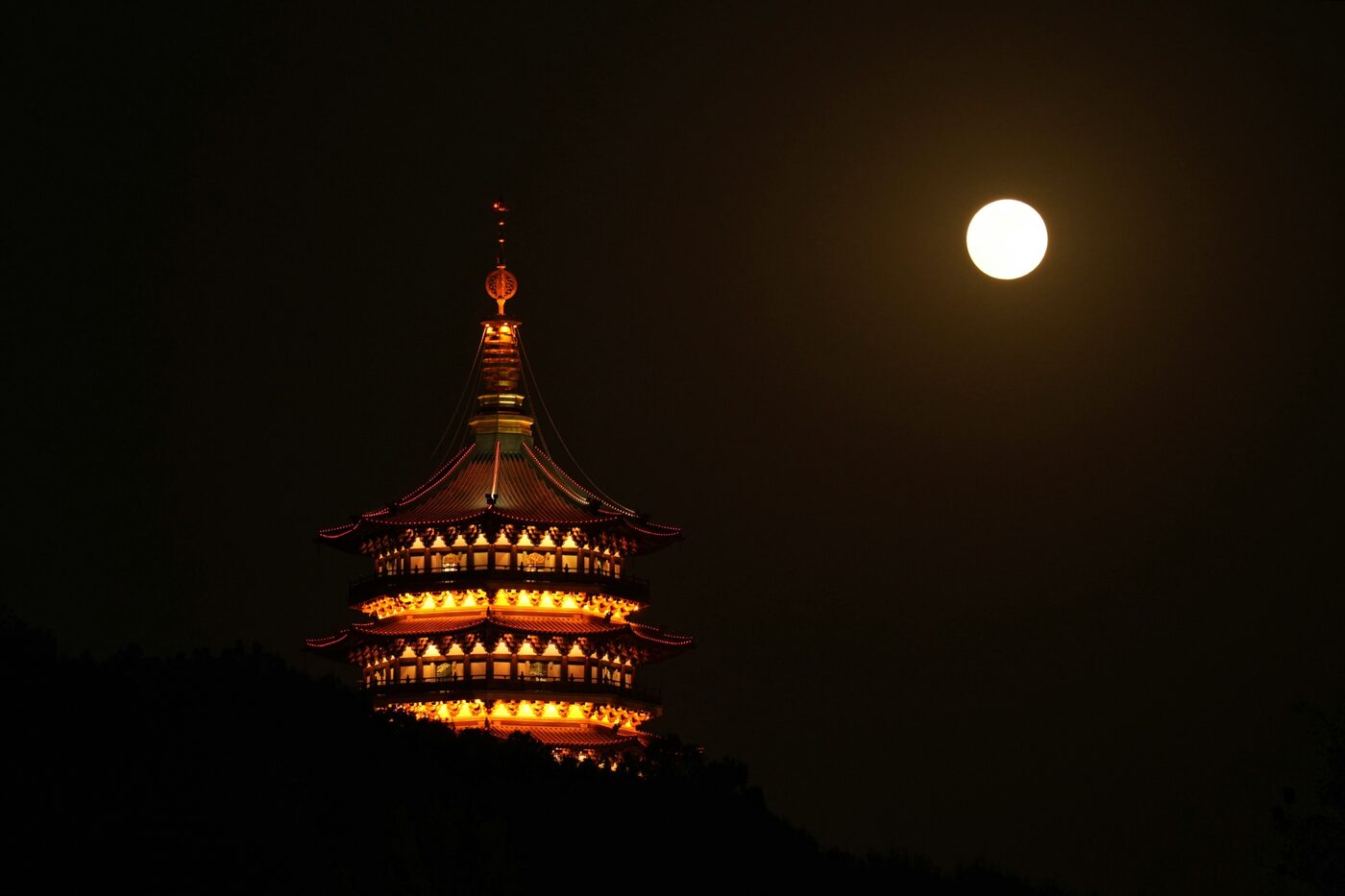
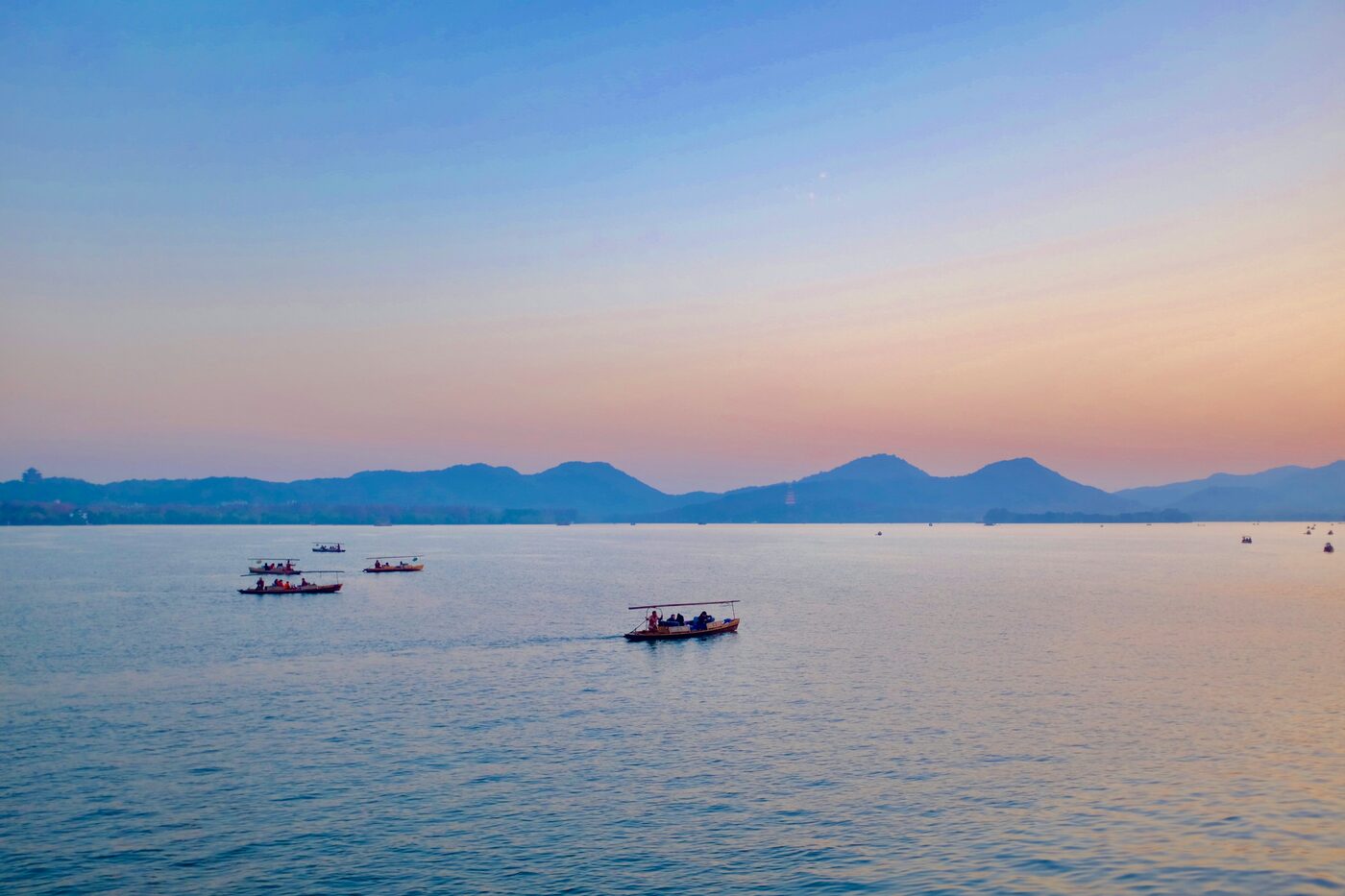
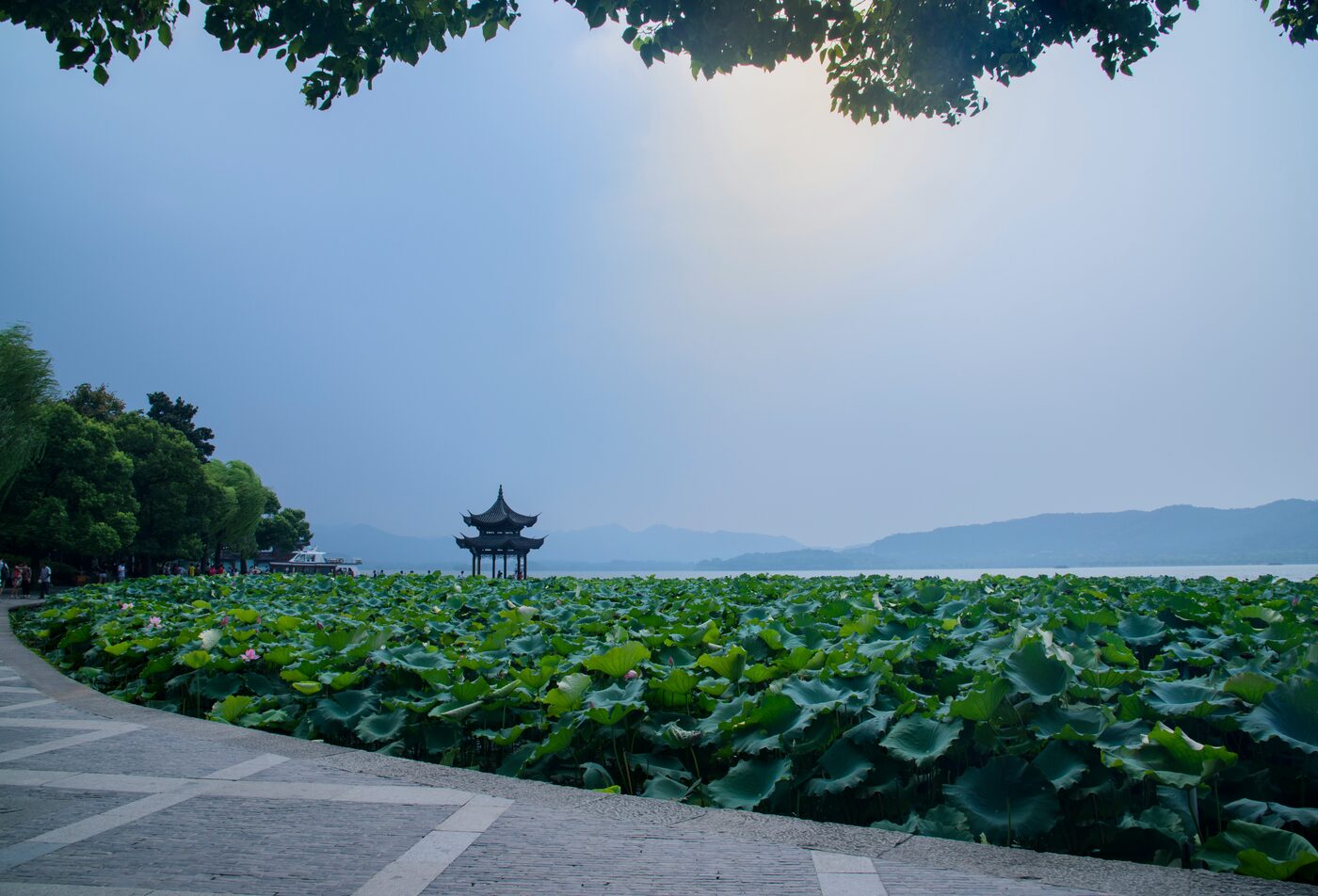
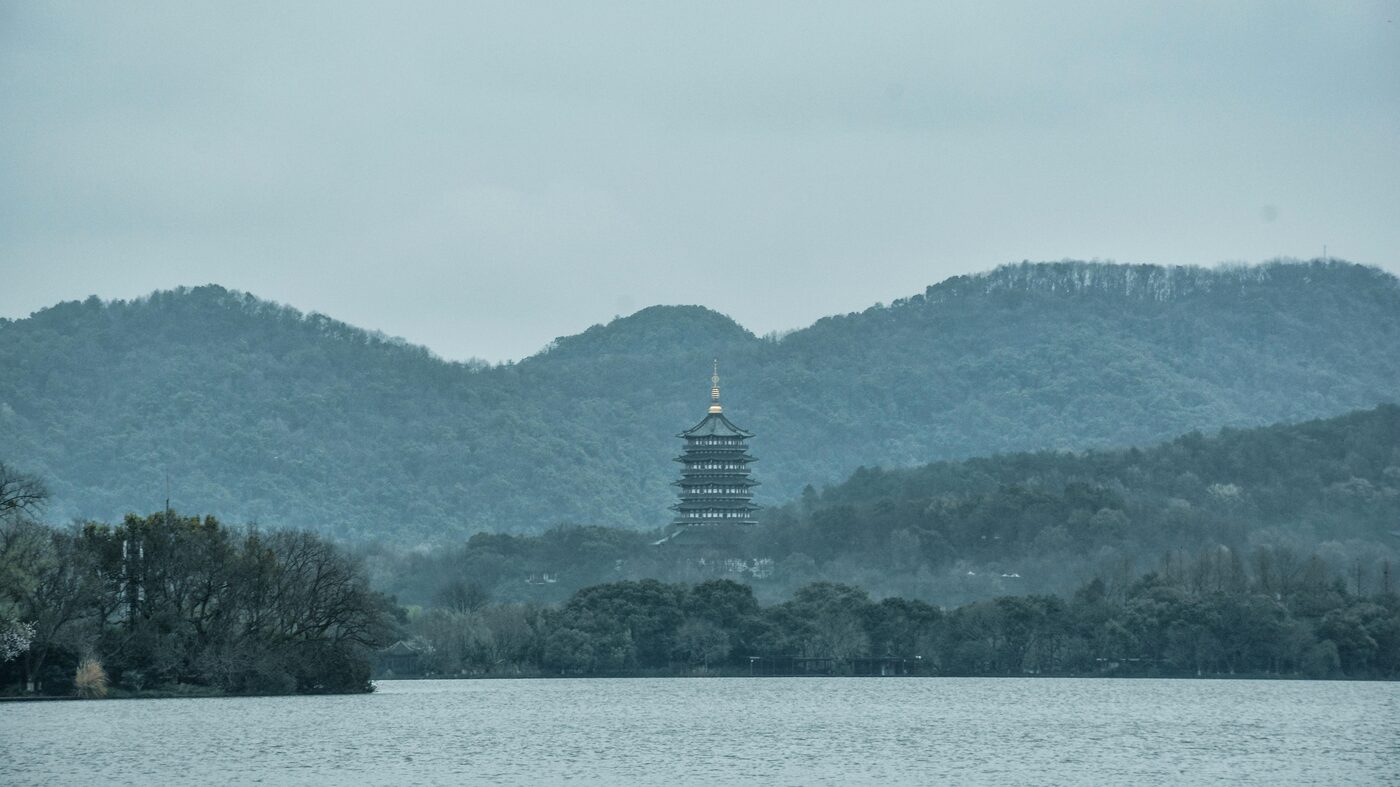
The sight Hangzhou is built around — a freshwater lake of about 6.4 km² ringed by ~15 km of willow-lined shore, causeways, islands and pagodas, inscribed by UNESCO in 2011 as a cultural landscape. Free to enter and walk; the Su and Bai causeways, the boat to Three Pools Mirroring the Moon, and Leifeng Pagoda on the south shore. Loveliest at dawn and dusk.
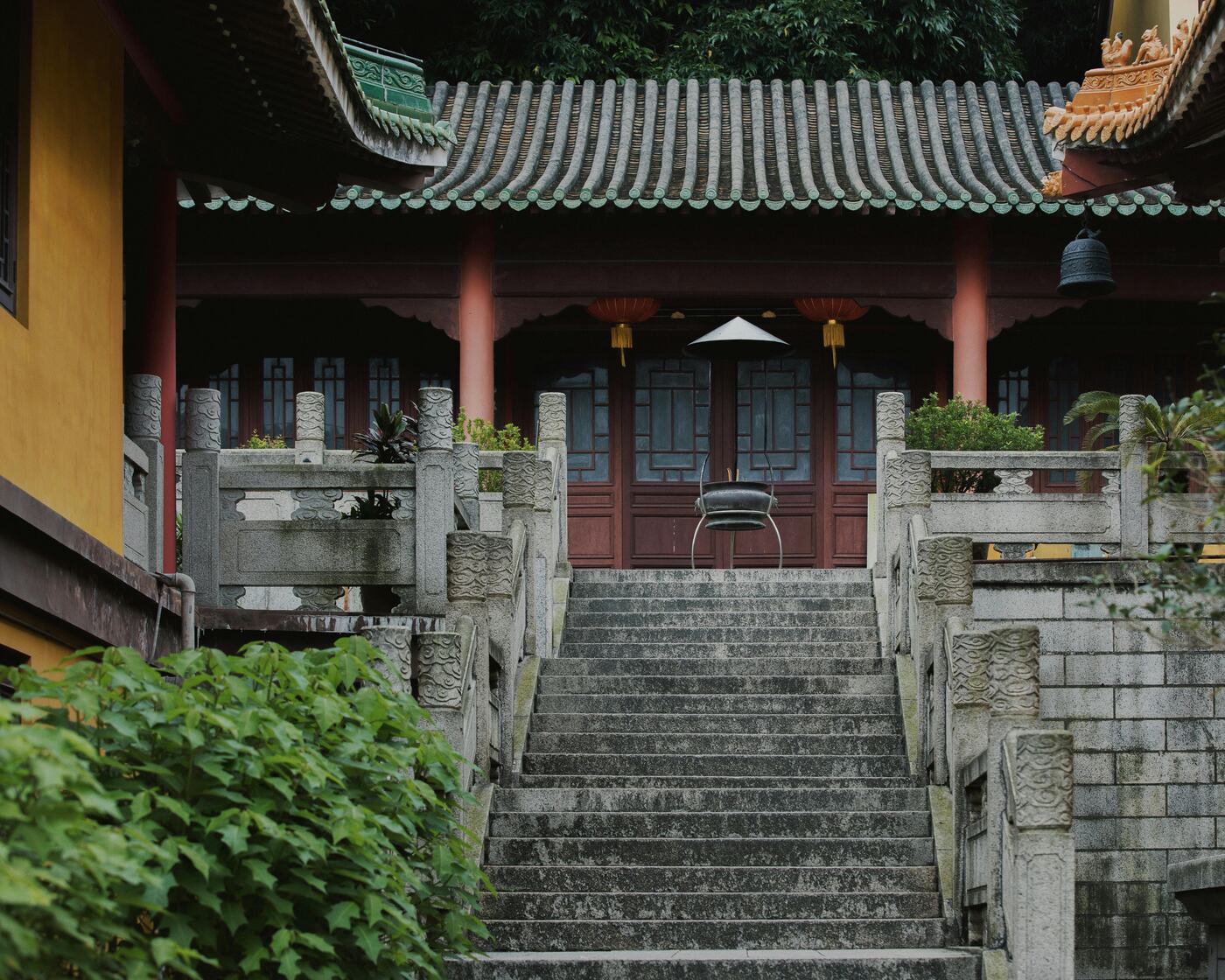
Lingyin Temple — One of China’s Great Temples
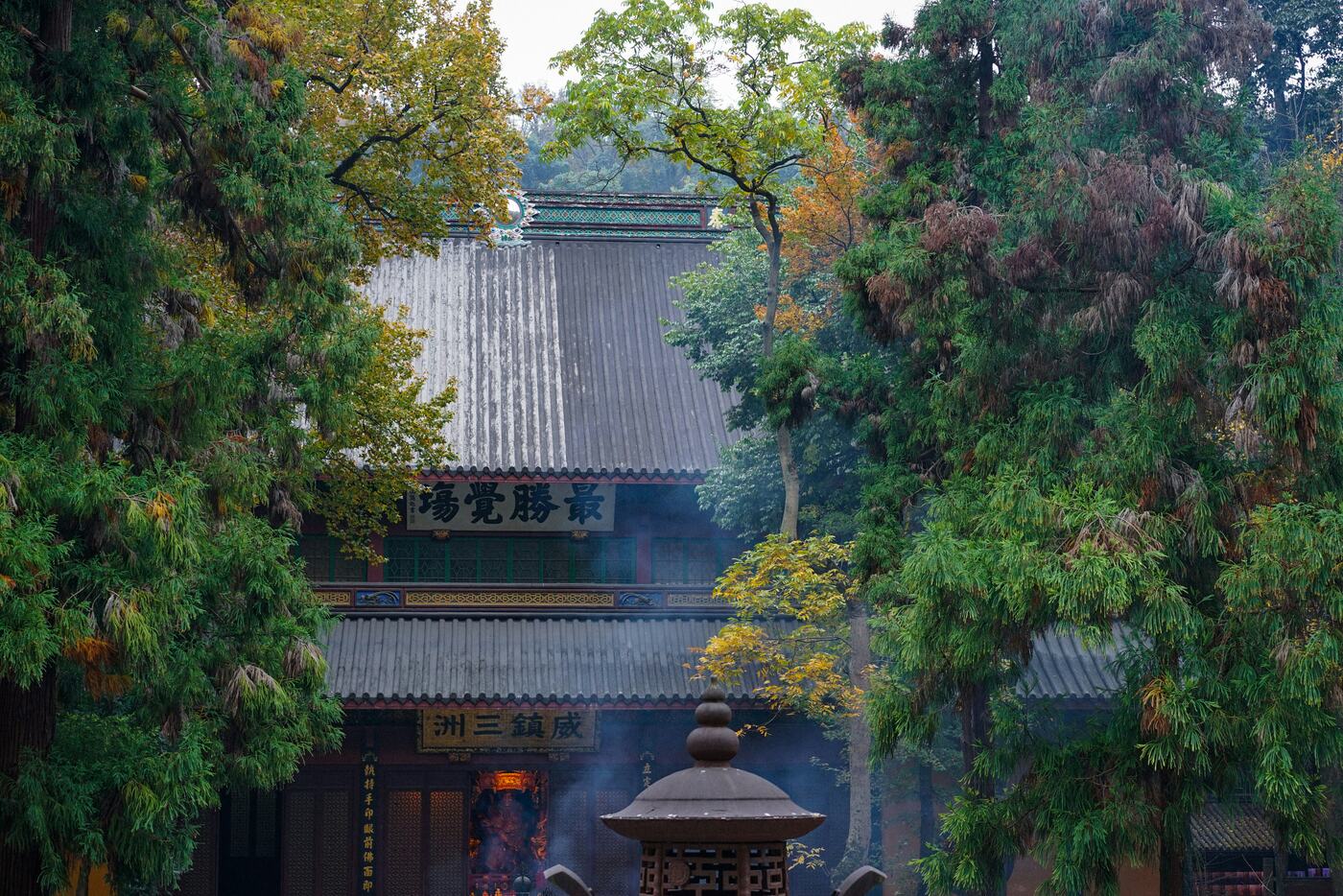
Founded in 328 AD, one of the oldest and largest Chan (Zen) Buddhist temples in China, in a forested valley in the hills west of West Lake. A two-part ticket: the Feilai Feng scenic area (~¥45), a limestone hill carved with 10th-14th-century Buddhist statues, then a separate ~¥30 ticket for the temple halls. Go early to beat the incense crowds.
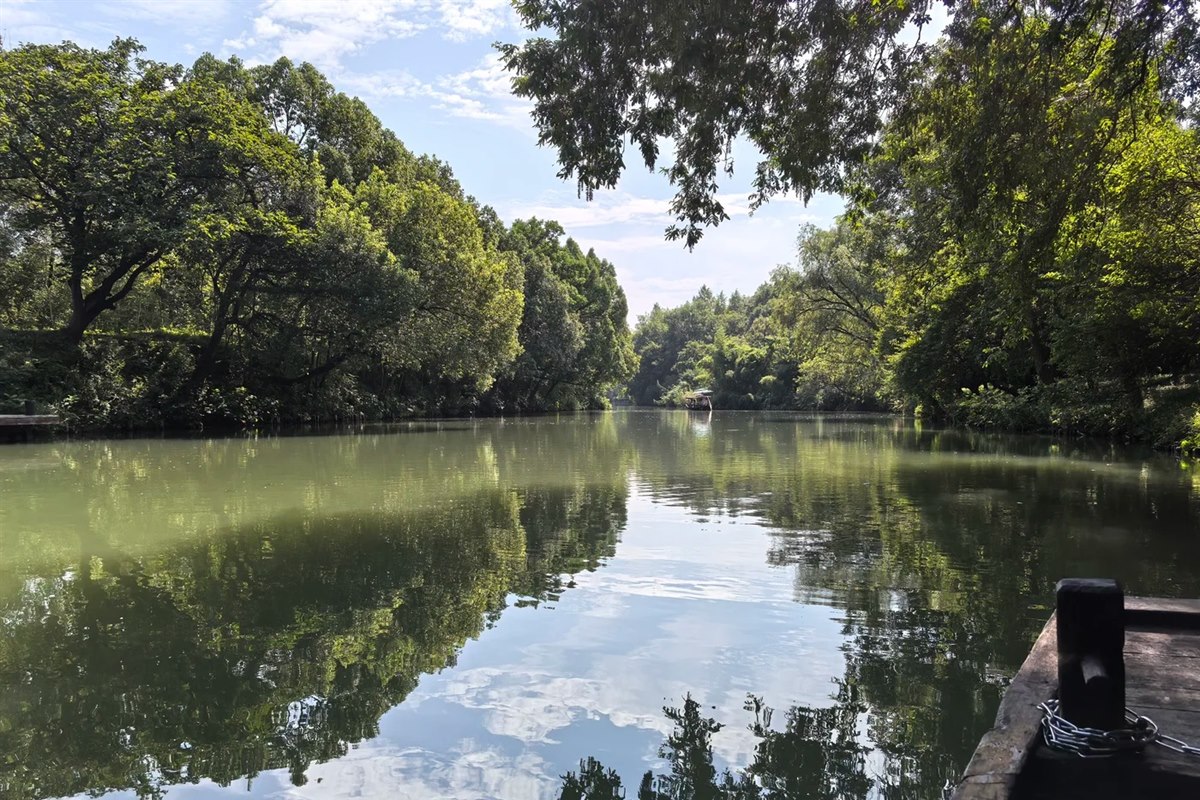
Xixi National Wetland Park — Reed Beds & Boats
A large, calm wetland of waterways, ponds and reed beds west of the city — the antithesis of the lake crowds. Explored mostly by electric boat, with persimmon groves, old farmhouses and birdlife. A gentle half-day, best in spring and autumn. Main entrance on Tianmushan Road.
Leifeng Pagoda — The Lake Panorama
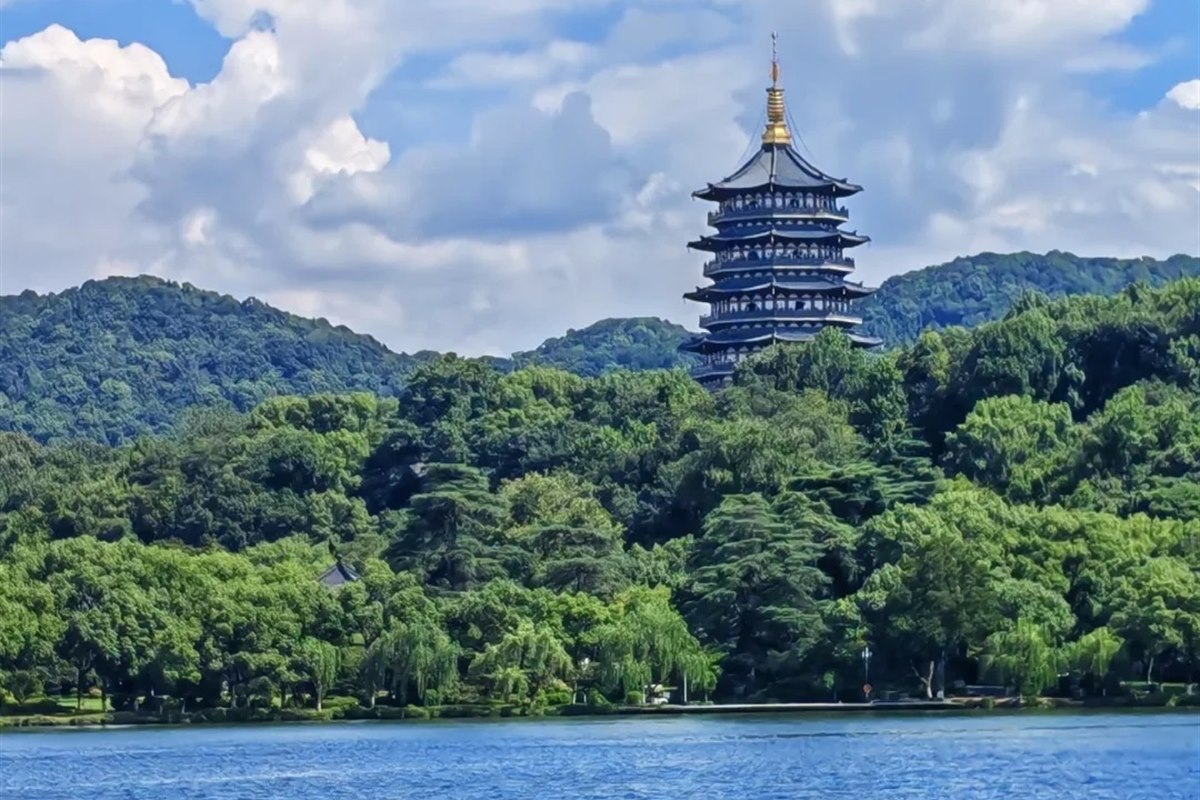
The pagoda on West Lake's south shore — rebuilt in 2002 over the collapsed Song-era ruins, with escalators and a lift inside. The reason to climb it is the view: the full sweep of the lake, the causeways and the city, best at sunset. Ticket ~¥40. One of the classic Ten Scenes of West Lake.
Qinghefang & Hefang Street — The Old Quarter
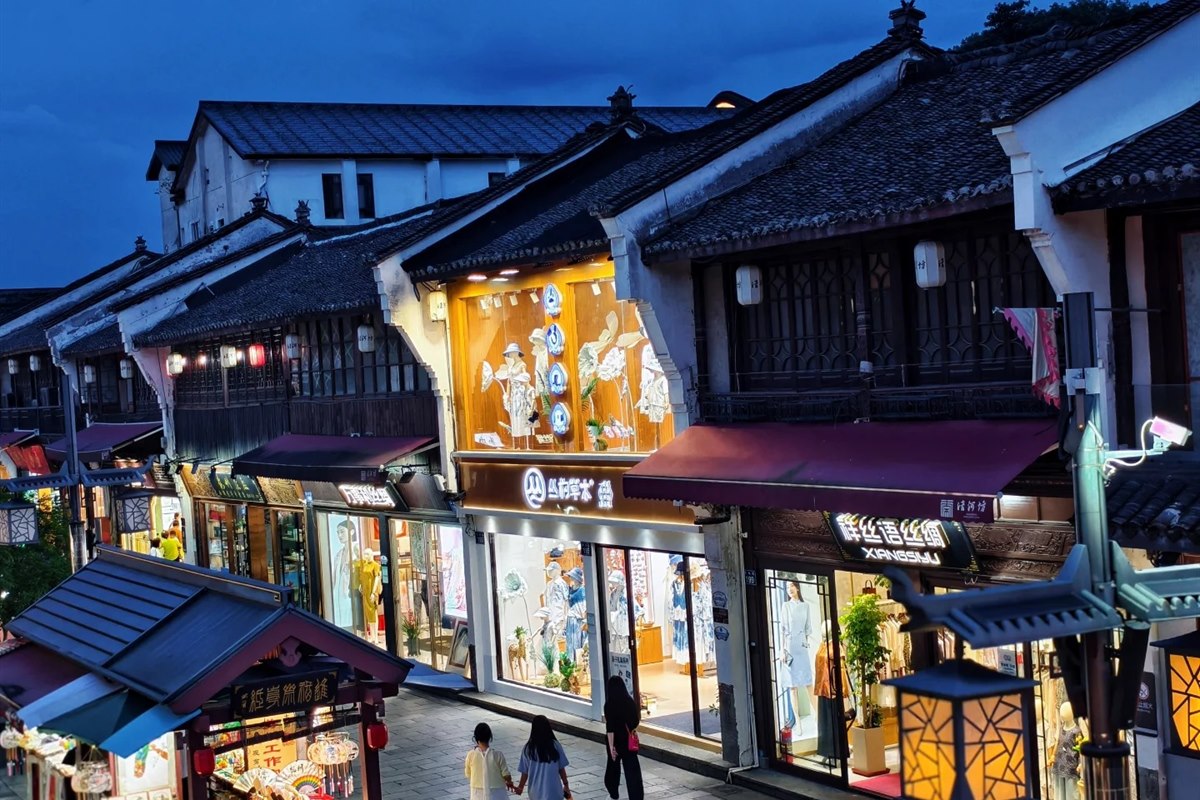
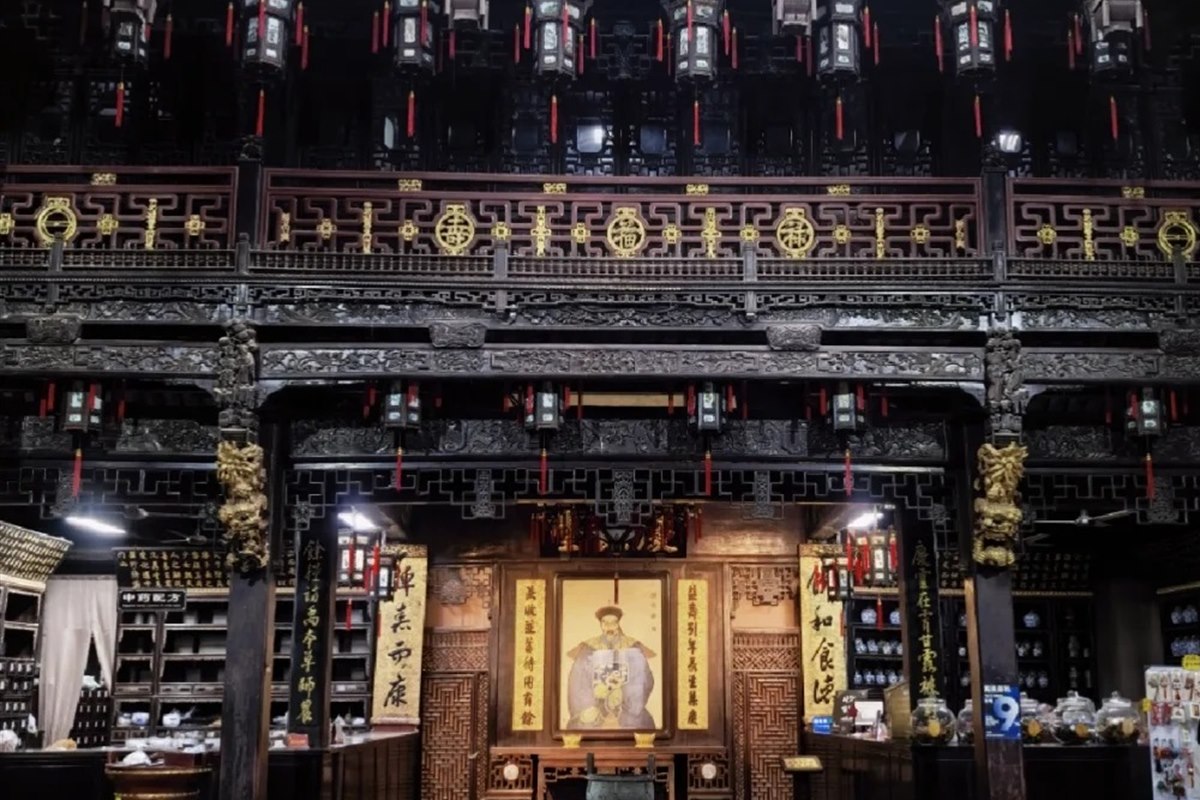
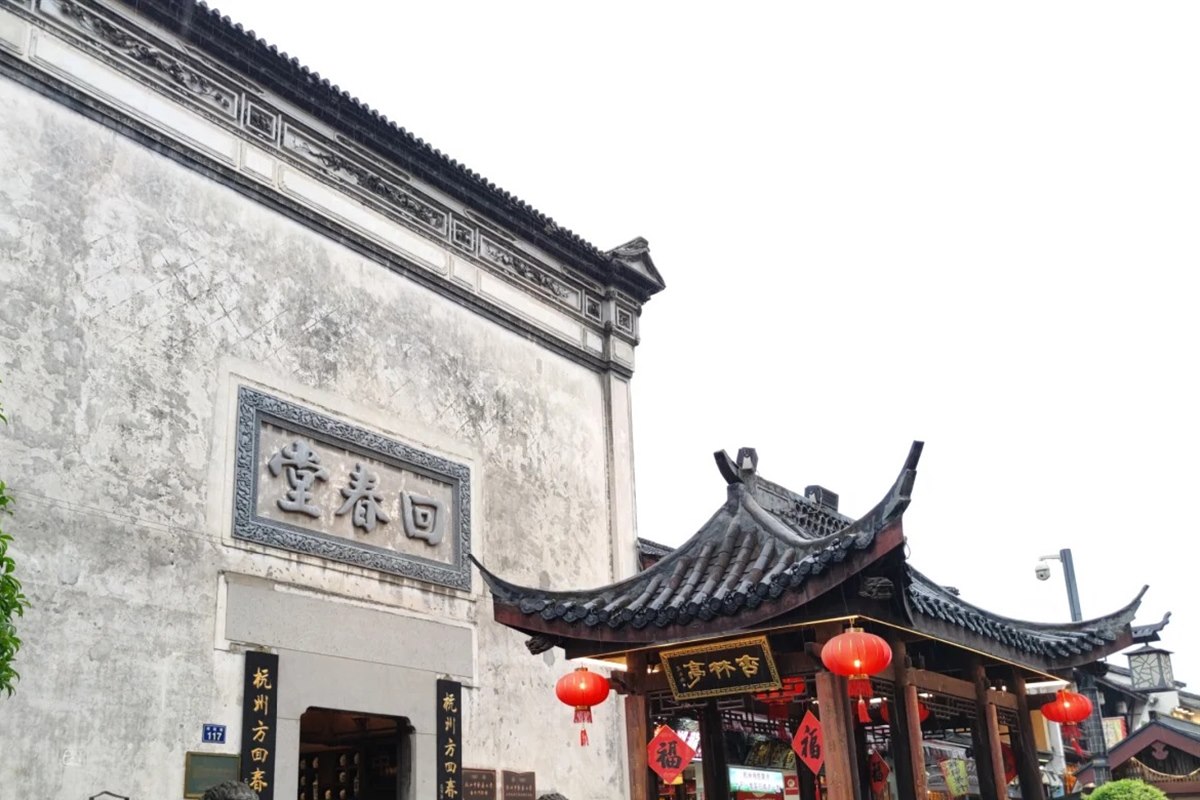
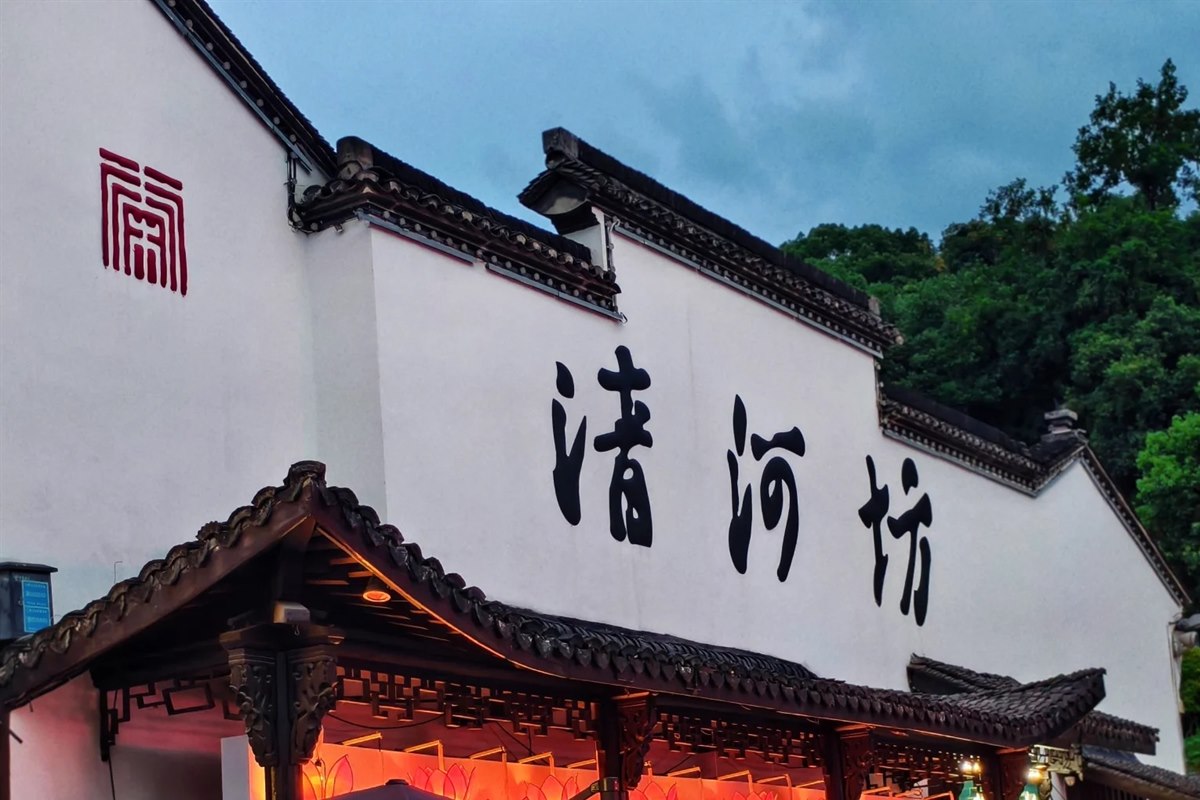
Hangzhou's best-preserved old street, below Wushan hill — restored Ming-and-Qing-style shopfronts, snack stalls, traditional crafts, and the Huqingyu Tang traditional-Chinese-medicine hall and museum. Touristy but genuinely atmospheric; pairs naturally with a walk up Wushan for a city view.
Longjing Tea Villages — Dragon Well Country
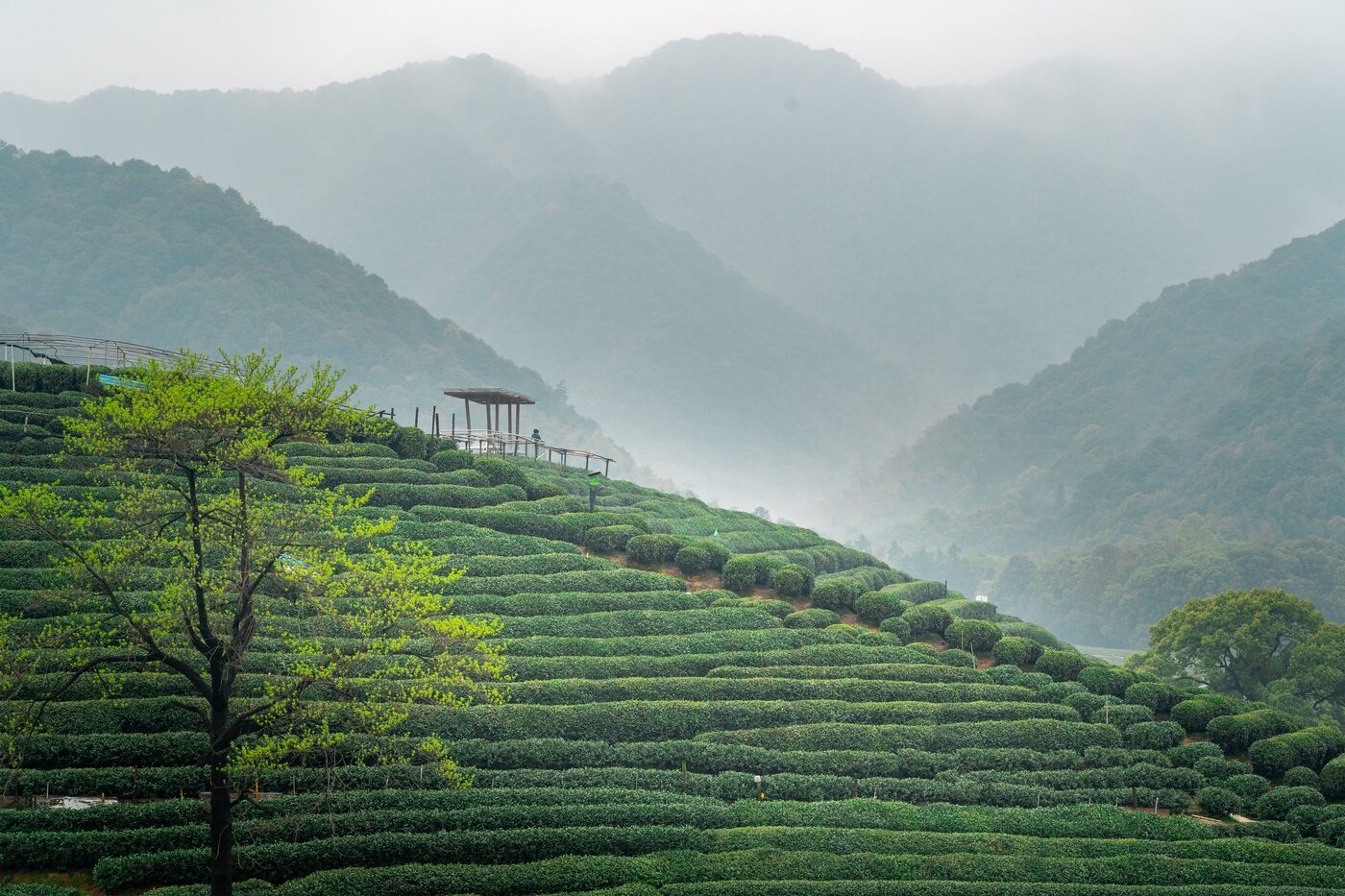
The hills southwest of West Lake grow West Lake Longjing (西湖龙井), China's most famous green tea. Walk the tea terraces of Longjing Village or Meijiawu, drink the new-season tea in a village teahouse, and visit the free China National Tea Museum. Spring, around early April, is picking season.
The Grand Canal — Gongchen Bridge & Xiaohe Street
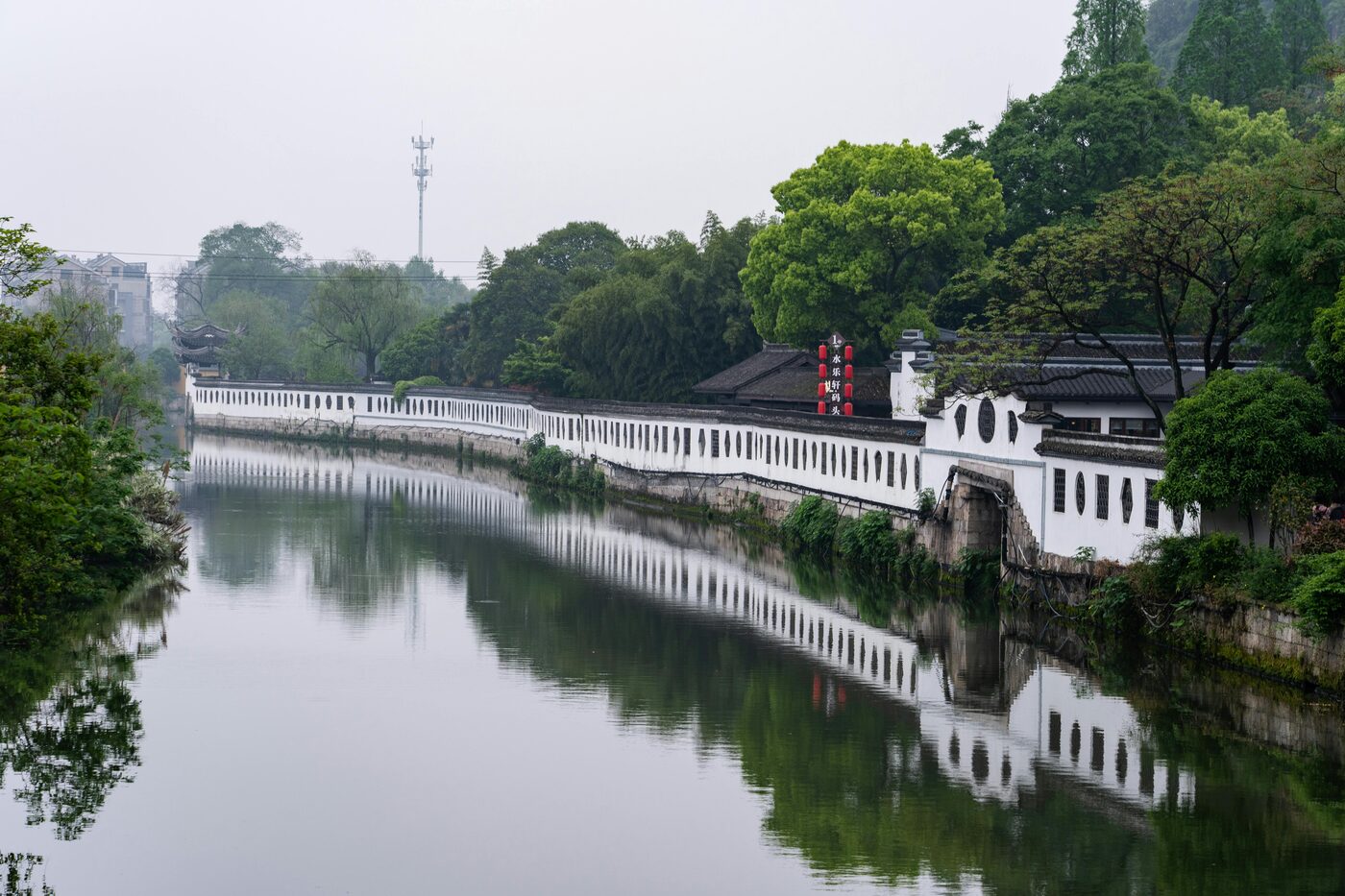
Hangzhou is the southern terminus of the Beijing-Hangzhou Grand Canal, the world's longest ancient canal and a UNESCO site. The stretch around the high-arched Gongchen Bridge and the restored Xiaohe Street / Qiaoxi historic district is walkable and free; canal cruise boats run from the bridge.
Museums — Zhejiang Provincial & Deshou Palace
Hangzhou was the capital of the Southern Song dynasty, then called Lin'an. The Zhejiang Provincial Museum and the 2022-opened Deshou Palace ruins museum (德寿宫) tell that story; both are free or low-cost. A good rainy-day plan and a quieter side of the city.
Liangzhu — A 5,000-Year-Old UNESCO City
Northwest of the city, the Liangzhu Museum and Archaeological Park preserve the 5,000-year-old Liangzhu Culture — a UNESCO World Heritage site — with its jade artefacts and the remains of an ancient walled city. A serious half-day for travellers interested in deep Chinese prehistory.
Day Trips — Wuzhen, Qiandao Lake & Shanghai
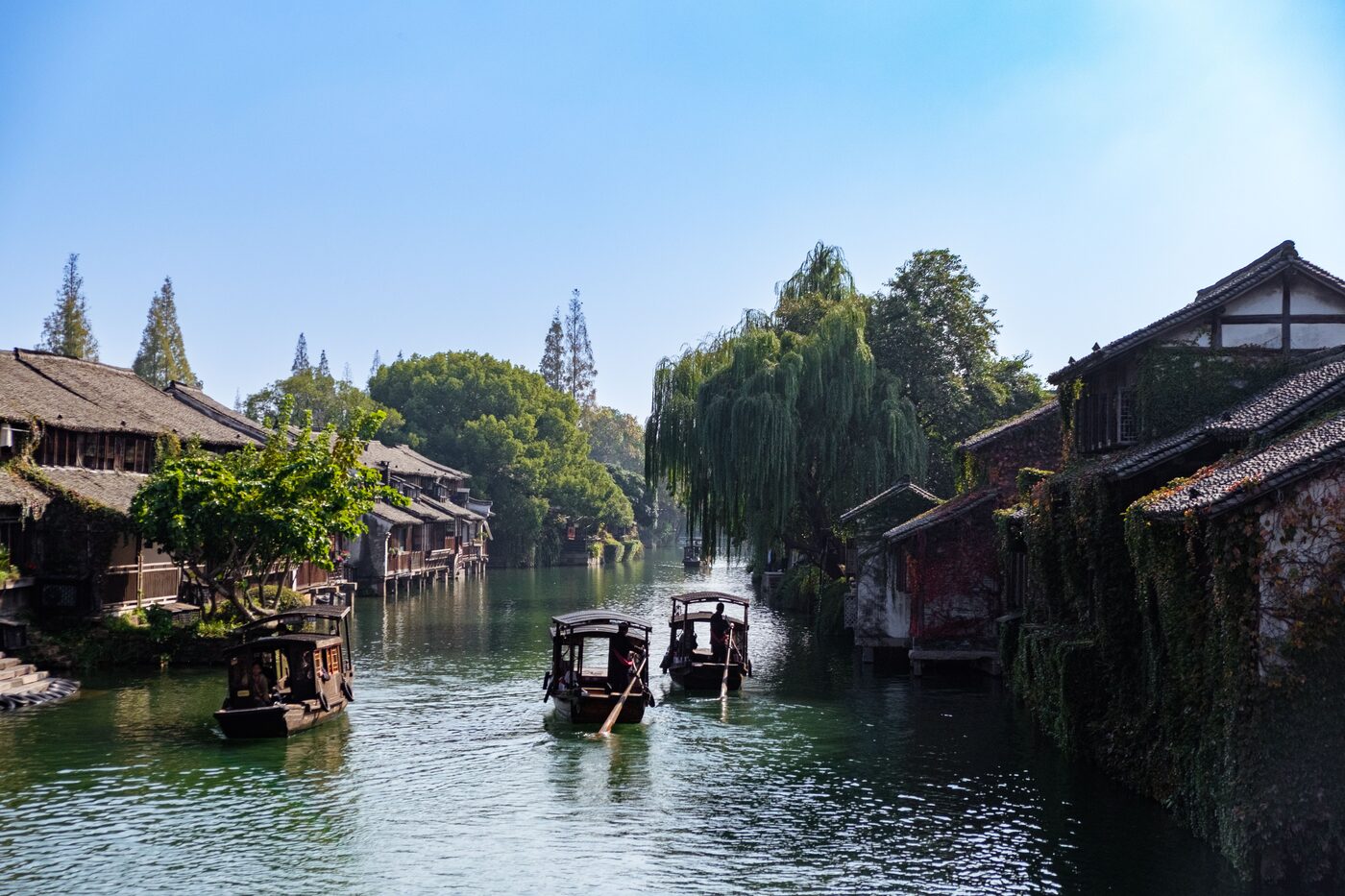
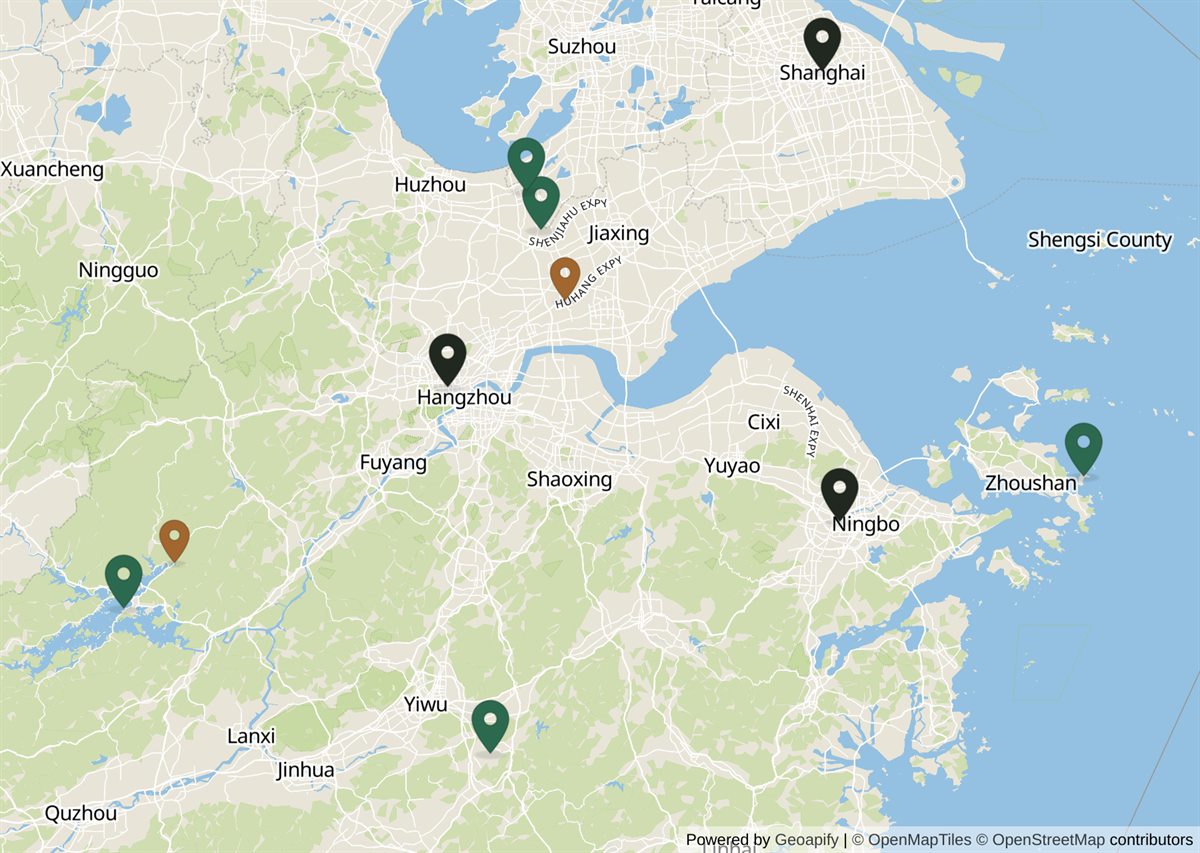
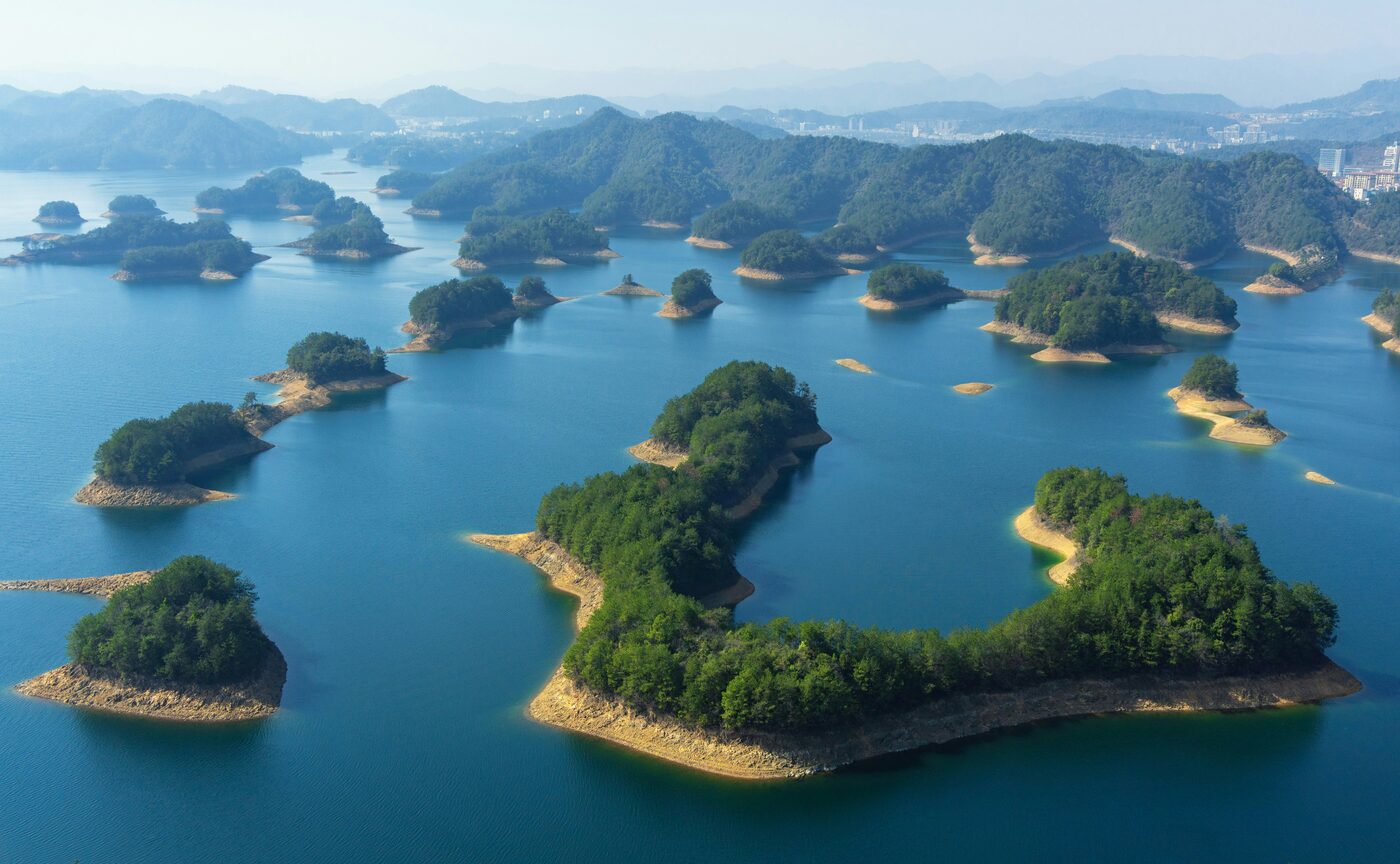
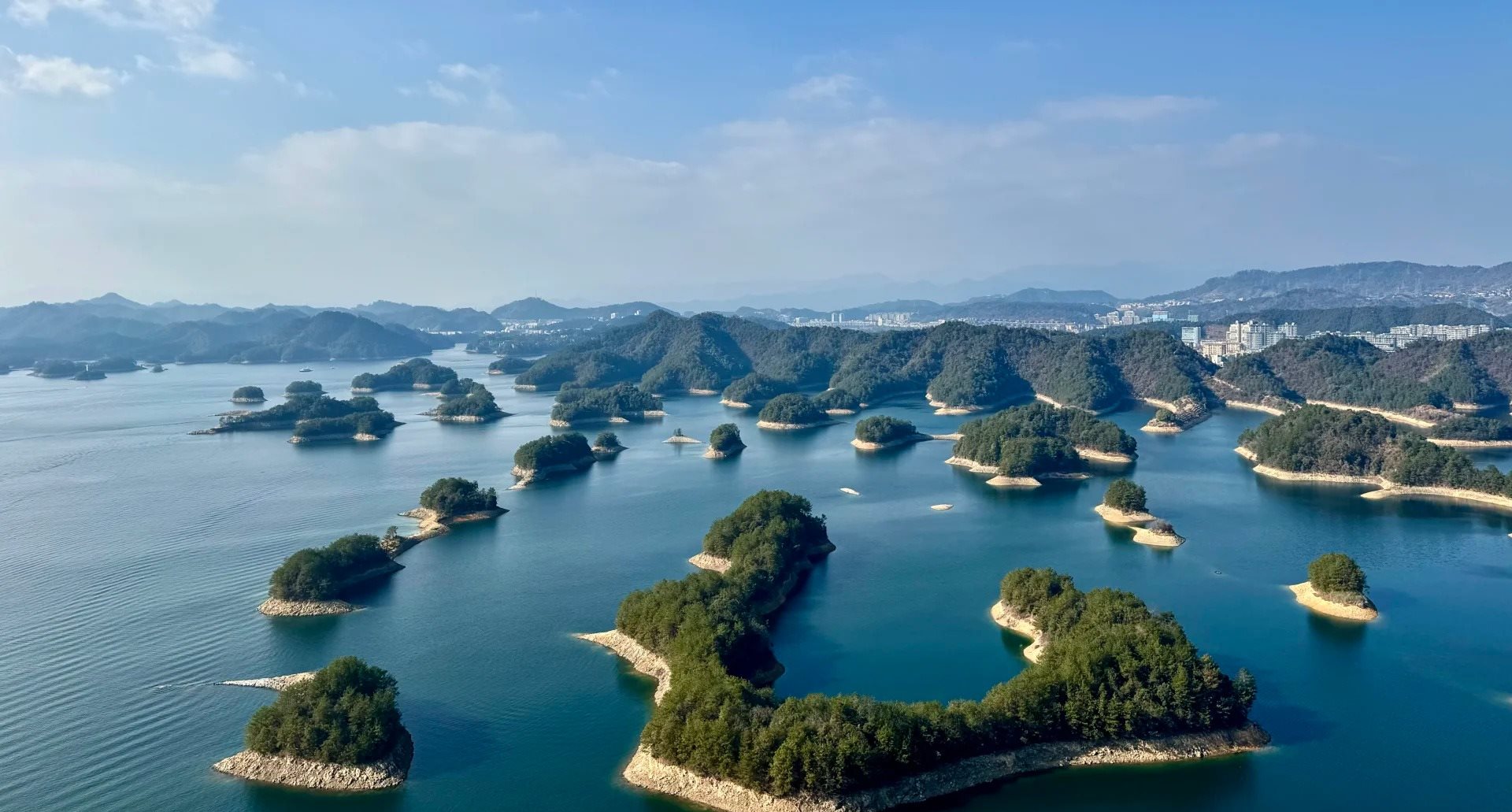
Beyond the city: the canal water town of Wuzhen (~1 hour), the island-studded Qiandao Lake / Thousand Island Lake (~1.5 hours), and Shanghai itself — a ~45-60-minute high-speed-train hop, so Hangzhou is as much a Shanghai extension as a destination in its own right.
Things to Do in Hangzhou — The Full Guide
The full editorial run-down of what is worth your time in Hangzhou — West Lake and the temples, the wetland and the old town, the tea hills and the museums, and the day trips — with honest reads on what to prioritise on a 2- or 3-day stop and what to skip.
West Lake — The Sight Hangzhou Is Built Around
Unlike many Chinese cities, Hangzhou has one unmistakable centre: West Lake (西湖), a UNESCO World Heritage cultural landscape that shaped Chinese garden design and landscape painting for a thousand years. It is free to enter and walk — the willow-lined Su and Bai causeways, the boat out to Three Pools Mirroring the Moon, Leifeng Pagoda glowing on the south shore at dusk. Give it a full day, go at dawn for the mist, and build the rest of the trip around it.
Hangzhou Itinerary — 2, 3, or 5 Days for First-Time Visitors
Most foreign travelers give Hangzhou 2-3 days, very often as an extension of a Shanghai trip. 2 days covers West Lake and Lingyin Temple. 3 days adds the Longjing tea hills and the Xixi wetland. 5 days reaches the day trips — the Wuzhen water town, Qiandao Lake, and Shanghai itself, 45 minutes away by high-speed rail. Pick a duration to see the day-by-day plan.
The causeways, the islands by boat, Leifeng Pagoda and the Ten Scenes viewpoints. An unhurried full day around the lake, free to enter.
Lingyin Temple and Feilai Feng in the morning; the afternoon in the tea country southwest of the lake — Longjing Village or Meijiawu and the free China National Tea Museum, tasting the new-season Dragon Well green tea.
A calm morning by electric boat through the reed beds of Xixi National Wetland Park, then the Qinghefang old street and the Grand Canal — the Gongchen Bridge and the Xiaohe Street historic district — in the afternoon.
Emergency Essentials — Hospitals, PSB Offices & Consular Routing
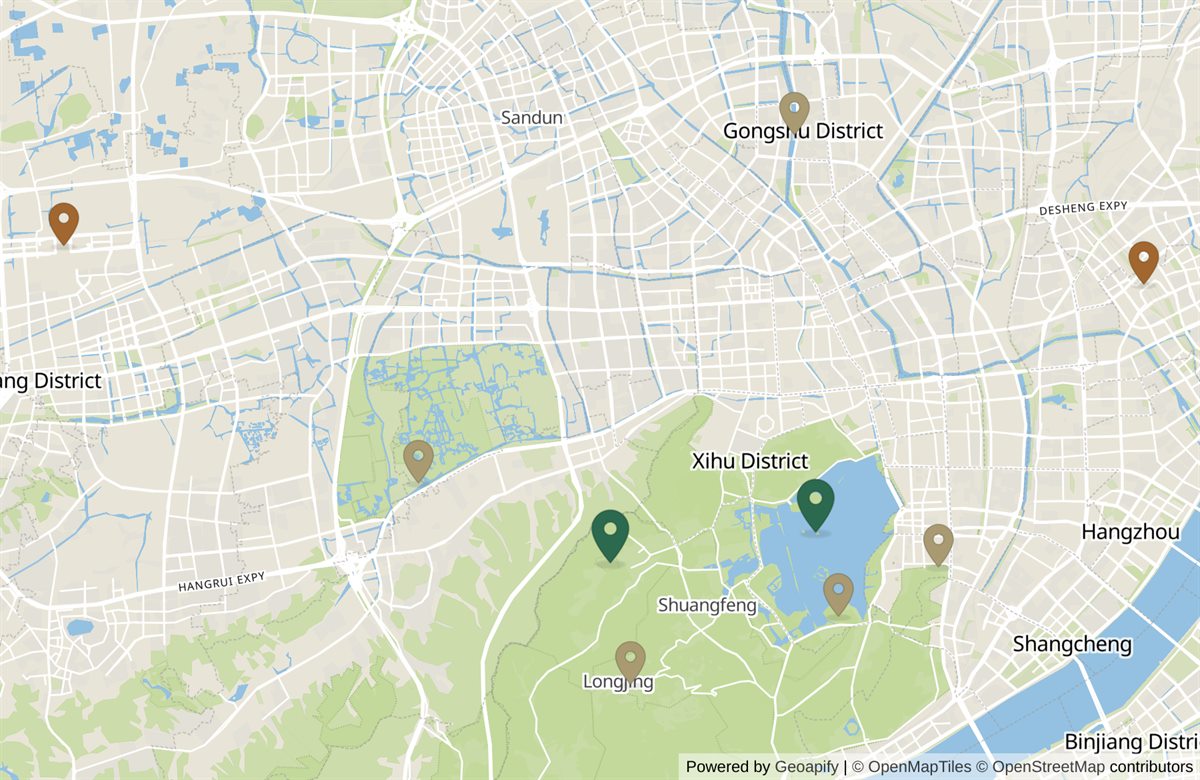
Hangzhou has no operating Western consulate. The US, UK, Canadian and Australian consular networks for east China are based in Shanghai, roughly 45-60 minutes away by high-speed train (Hangzhou East to Shanghai Hongqiao — see the Shanghai-to-Hangzhou guide). A foreigner who loses a passport in Hangzhou should phone their Shanghai consulate (or Beijing embassy) for instructions and will normally travel to Shanghai for in-person emergency-travel-document issuance — a same-day round trip is realistic. The local Hangzhou PSB handles the police-report step regardless of where you travel for embassy processing. The main municipal Exit-Entry hall is at 婺江路169号 by Jinjiang metro (Line 1/4); there is also a dedicated West Lake Scenic Area Exit-Entry branch for foreigners staying inside the lake district. The Zhejiang University-affiliated hospitals are the foreigner-experienced choice — ZJU Second Affiliated Hospital runs an International Healthcare Center.
Data verified against Amap (高德地图) on 2026-05-22. Editorial filter + ranking by an editor based in mainland China since 2018 (NOT a Hangzhou resident; data is Amap-verified and aggregated from official sources).
National Emergency Phone Numbers (mainland China)
Hospitals
For medical emergencies dial 120 (ambulance). The major hospitals listed below are large, well-equipped, and most likely to have English-speaking staff. For non-emergency visits, ask your travel insurance for in-network options.
First Affiliated Hospital, Zhejiang University School of Medicine (Qingchun Campus)
浙江大学医学院附属第一医院(庆春院区)Second Affiliated Hospital, Zhejiang University School of Medicine (Jiefang Road Campus)
浙江大学医学院附属第二医院(解放路院区)PSB Exit-Entry Offices
Public Security Bureau Exit-Entry offices handle lost-passport reports, visa extensions, and foreigner residency registration. Use the most central municipal office for a standard lost-passport report; provincial or city-level offices handle complex cases such as visa-category changes.
Hangzhou PSB Exit-Entry Administration (Main Reception Hall)
杭州市公安局出入境接待大厅Hangzhou PSB West Lake Scenic Area Branch — Exit-Entry Office
杭州市公安局景区分局出入境接待大厅Hangzhou Shangcheng District PSB — Exit-Entry Office
杭州市公安局上城区分局出入境接待大厅Getting Around Hangzhou — Metro, the Airport & HSR
Hangzhou is a flat, walkable city built around its lake — the metro does the long-haul work, and Line 1 alone links almost everything a visitor needs. One main airport, Xiaoshan (HGH), and a high-speed-rail hub at Hangzhou East.
Line 1 links Hangzhou East, downtown Wulin Square and the West Lake lakefront at Longxiangqiao; Line 19 is the express airport line. ¥2-9 by distance, tap in with an Alipay or WeChat QR.
Metro Line 19 is the fast airport line — Hangzhou East in ~25 minutes; do not take the slow all-stops Line 1 from the airport. A taxi to the lake is ¥120-160. Note HGH is a separate airport from Shanghai’s PVG and SHA.
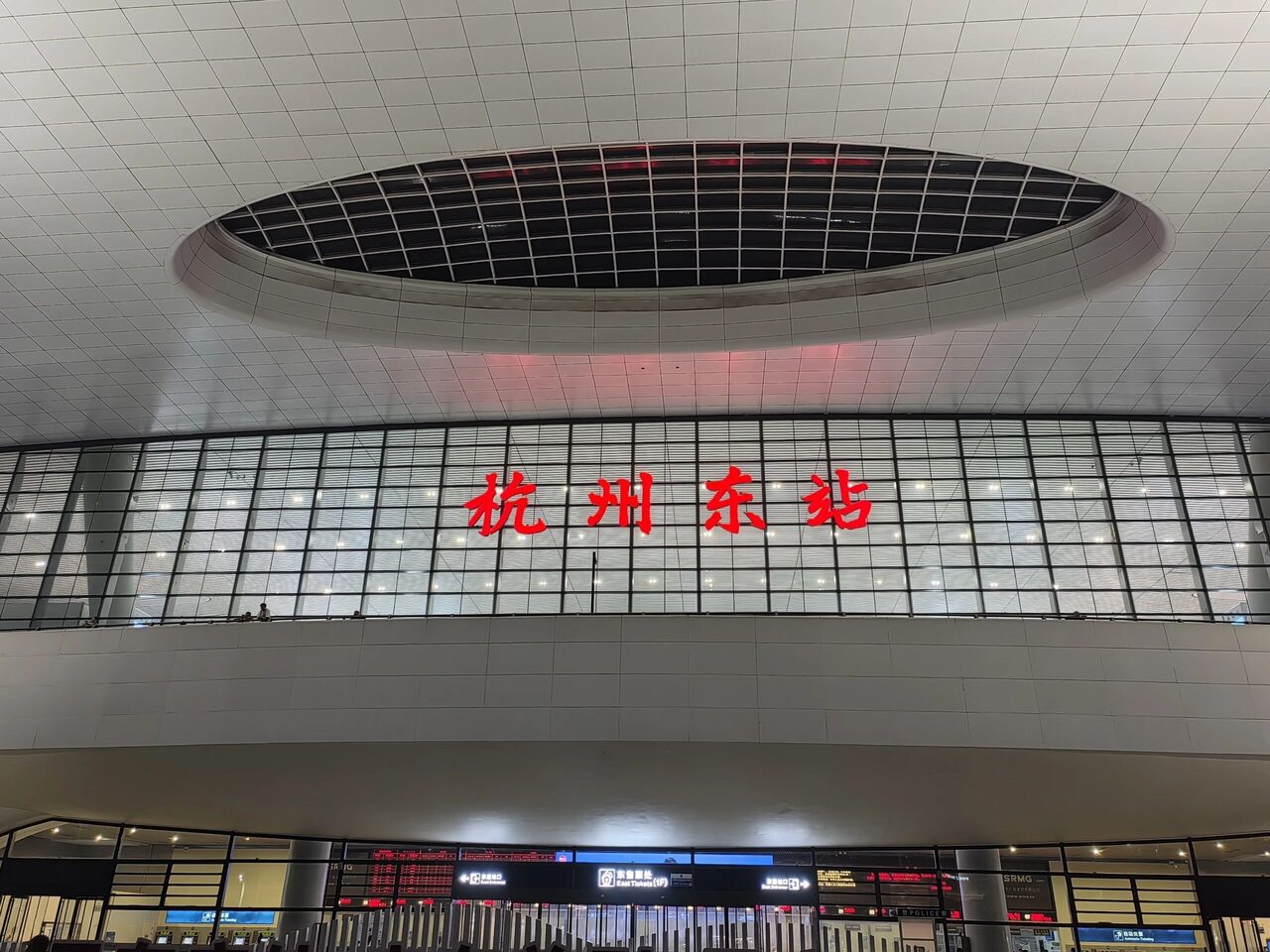
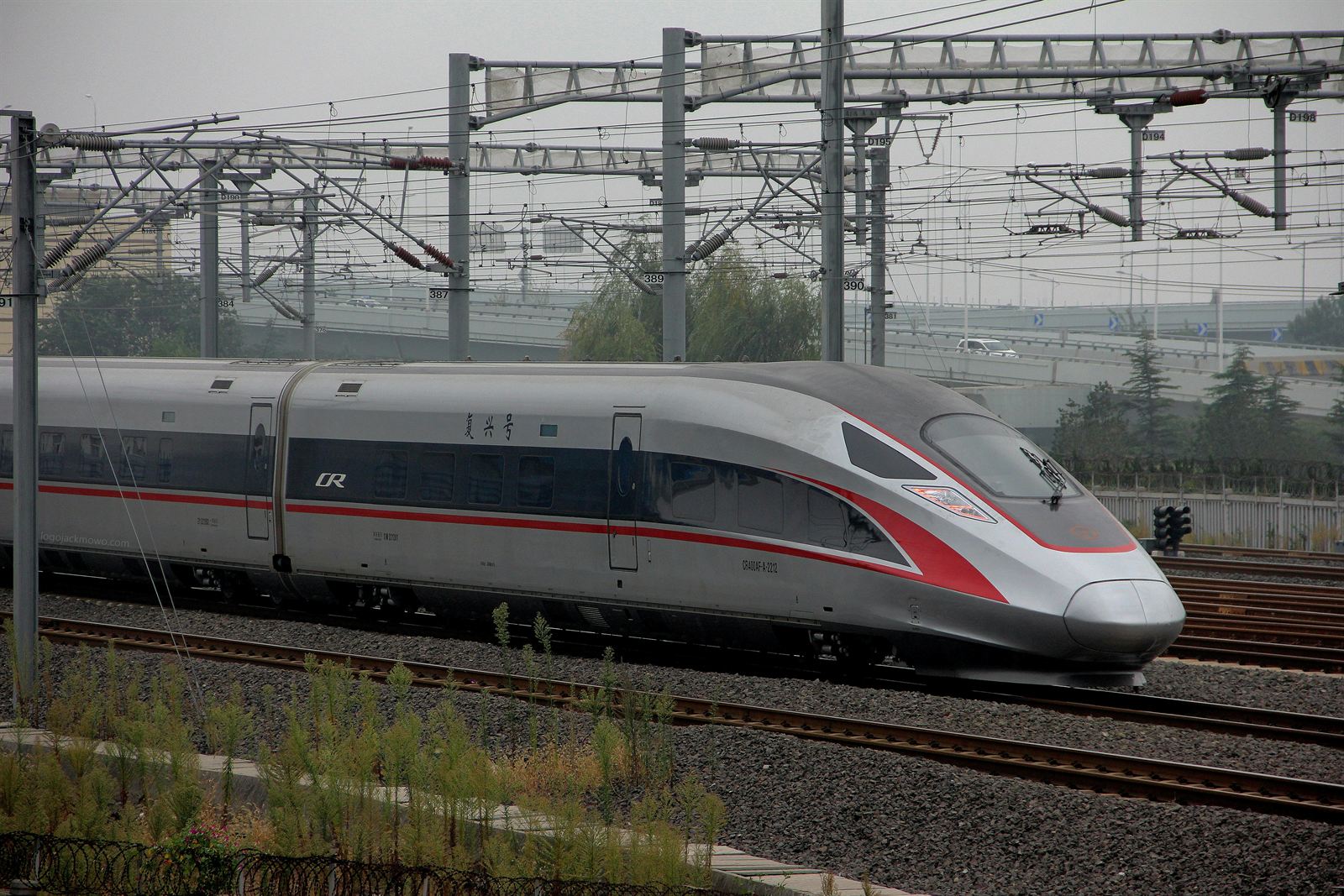
Hangzhou East handles the Shanghai corridor and the national high-speed network. Hangzhou also has Hangzhou West (opened 2022) and the central Hangzhou Station — check your ticket. Book on 12306 or Trip.com.
Where to Stay
For a first Hangzhou trip, base on the West Lake lakefront — Hubin — for the lake on your doorstep. The other four areas suit specific priorities.
A few minutes’ walk from West Lake, the Hubin pedestrian street and the malls — Metro Line 1 at Longxiangqiao, ~16 minutes direct to Hangzhou East. The pick for a first visit.
The historic commercial heart — department stores, malls, Metro Line 1 and 3. Two stops to the West Lake lakefront, ~10 minutes to Hangzhou East. A well-connected base.
Beside the Qinghefang old street and Wushan hill — the most characterful central area, a ~10-minute walk to the lake’s southeast corner. Metro Line 1 at Ding’anlu.
Qianjiang New City is the modern riverside CBD — the Raffles towers and the skyline. Stay by Hangzhou East only for an HSR-bookended multi-city trip; it is a transit precinct.
What to Eat in Hangzhou — Hangzhou Cuisine & Longjing Tea
Hangzhou cuisine (杭帮菜) is one of the gentler regional Chinese cuisines — lightly sweet, seasonal, freshwater-focused, restrained with chilli. Four things, plus the tea, define a first visit.
Pork belly braised slowly in soy, sugar and Shaoxing wine until it nearly collapses — named for the poet-governor Su Dongpo, who also built the West Lake causeway.
A whole grass carp poached and dressed in a bright sweet-and-sour vinegar sauce — the city’s signature dish, and the most divisive: try it and judge for yourself.
Small river shrimp stir-fried with fresh Longjing tea leaves — delicate and faintly grassy, a dish that exists only because of Hangzhou’s tea hills.
West Lake Longjing — the ‘Dragon Well’ green tea grown on the hills above the lake. Visit the tea villages and the free China National Tea Museum.
Where to eat: Louwailou (楼外楼), founded 1848 on Gushan islet by the lake, is the historic Hangzhou-cuisine institution; Zhiweiguan (知味观) is the classic snack and dumpling house; Grandma’s Home (外婆家) and Greentea (绿茶), both founded in Hangzhou, are the affordable, foreigner-easy modern chains.