What it is — two histories on one hillside
Huaqing Palace (华清宫) sits at the foot of Mount Li in Lintong, about twenty minutes from the Terracotta Army. Hot springs have been used here since long before the Tang, but the site’s fame is Tang: this is where Emperor Xuanzong wintered with Yang Guifei, and the excavated bathing pools of that court are the reason the place is a pilgrimage for Chinese visitors.
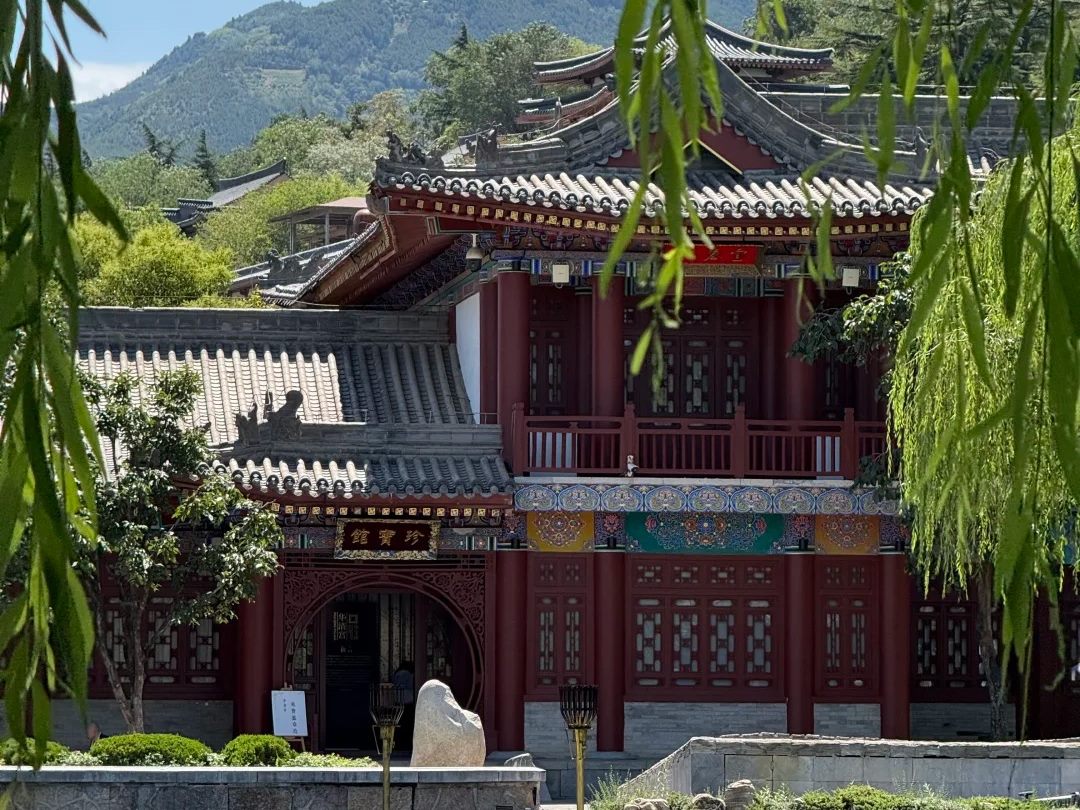
⭐ The second history is the one foreign visitors arrive not knowing about, and it is usually the one they remember. In December 1936 Chiang Kai-shek was staying in the five rooms on the hillside here when his own generals seized him and forced the Nationalists into an alliance with the Communists against Japan — the Xi’an Incident. The rooms are preserved, the window he climbed out of is marked, and the bullet holes are still in the stone.
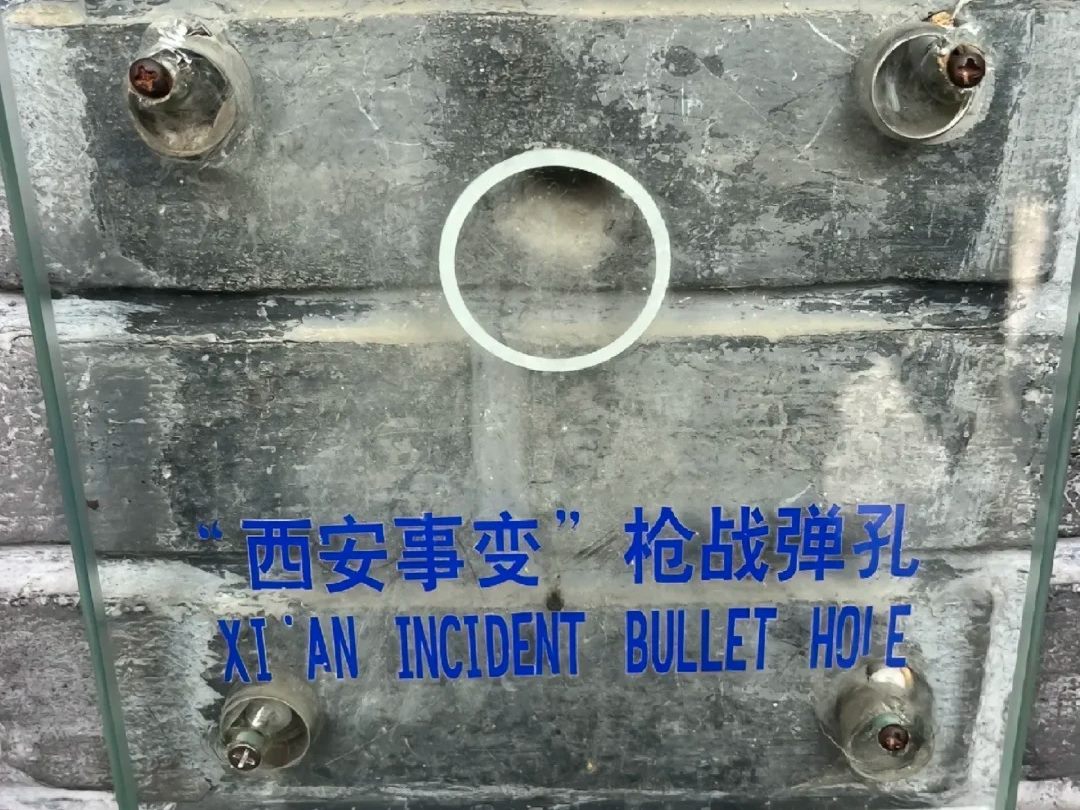
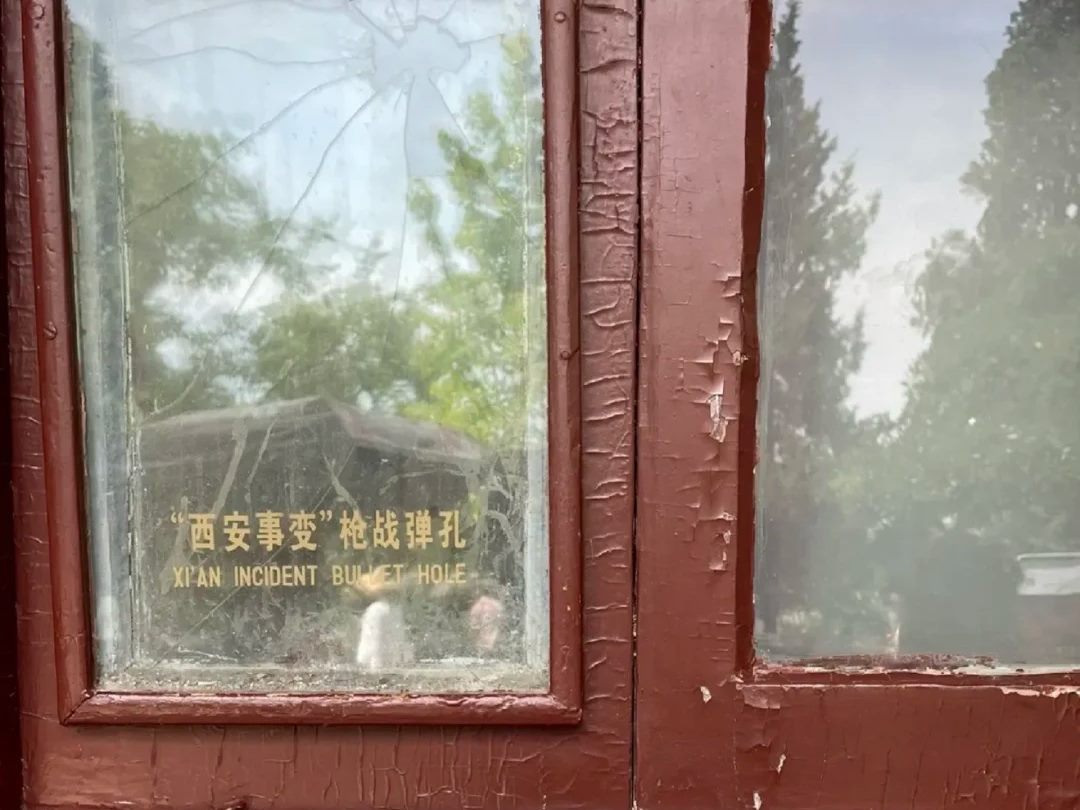
So the site answers to two different reasons for coming, and the ticket you need depends on which one — plus a third, the evening performance, which is not really about either.
The thing packages do not tell you: these are two tickets
Scenic-area admission and the evening 《长恨歌》 performance are separate purchases. Almost every tour package and most listings sell them together, which makes it look as though the show sits inside a day at the palace. It does not.
If the show is what you came for, you do not need the ¥120. The performance ticket admits you on its own, through the performance entrance, which opens well before curtain. That is a real saving on a family of four, and nobody selling you a package has any reason to mention it.
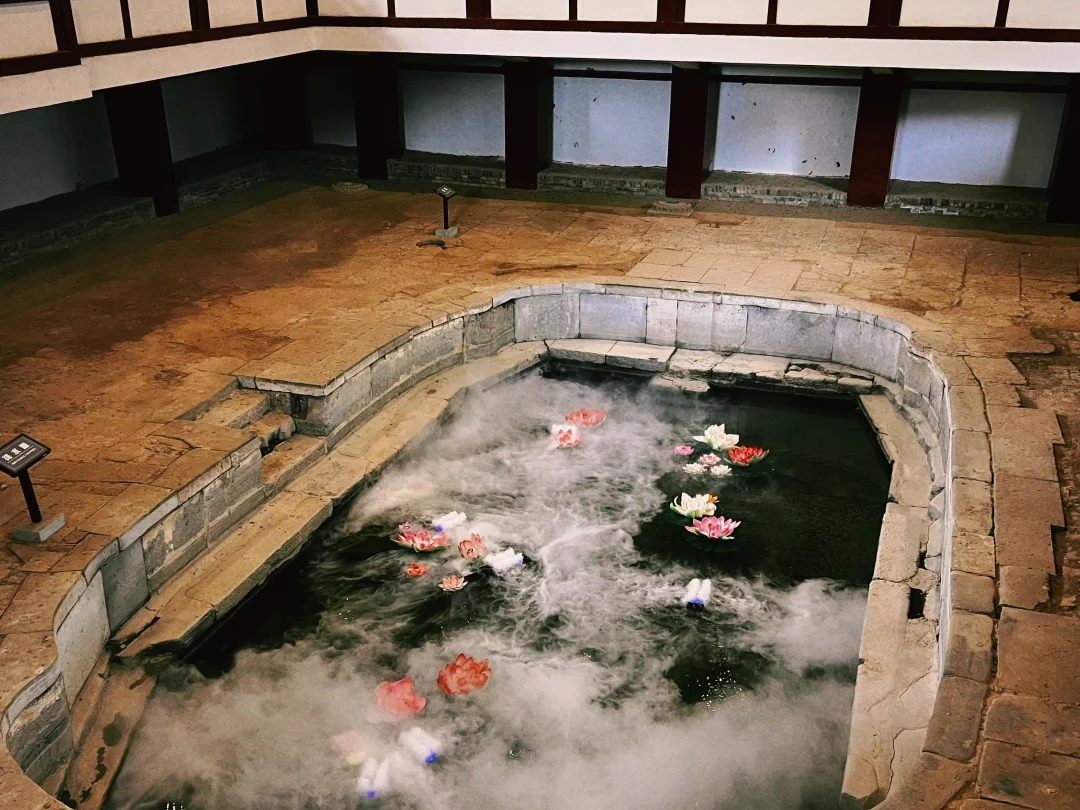
⛔ The corollary matters just as much. The show ticket admits you to the lakeside performance ground — not to the palace. The daytime zone, with the Tang pools and the Xi’an Incident rooms, is separated from it and clears and closes before the performance. So the plan people assume they can make — “we’ll do the grounds in the afternoon and just stay for the show” — is really two tickets and two entries, with a gap in between where you are outside the gate.
| What you want | What to buy | What it costs |
|---|---|---|
| The show only | Performance ticket alone | ¥238–¥988 by zone |
| The palace only | Scenic-area ticket alone | ¥120, ¥60 half price |
| Both, same day | Both tickets — and leave between them | ¥120 plus the seat |
《长恨歌》 — the show, and where to sit
Song of Everlasting Sorrow is an outdoor production staged on and around Nine Dragon Lake, with Mount Li itself as the backdrop and the hillside used for lighting. It tells the Xuanzong and Yang Guifei story, and it does not require you to know that story to work — the draw is scale and staging rather than plot.
It returned on 1 February 2026 in an upgraded staging and now runs year-round with seasonal adjustment. Sessions start 18:50, 20:15 and 21:40, with a fourth added on holidays and through the peak season. The performance gate opens well ahead of curtain, which is worth using — the lakeside fills up and the walk in is not short.
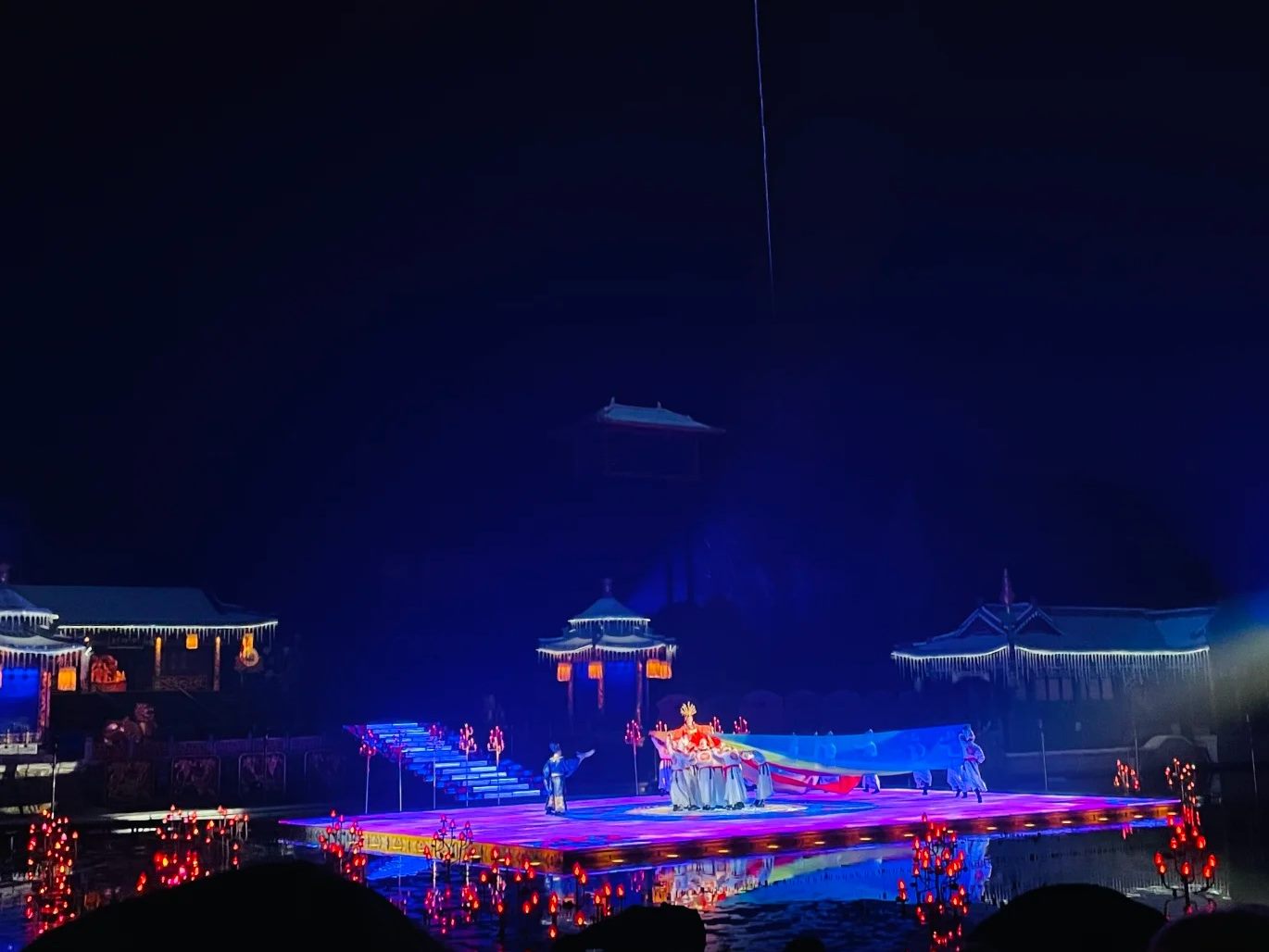
Seats run ¥238 to ¥988 by zone. The middle blocks, at ¥358–¥388, are where most visitors end up and are the sensible default: the staging is wide and uses the whole hillside, so the cheapest seats trade a lot of that away, while the top zones buy proximity to a production that is not really about detail.
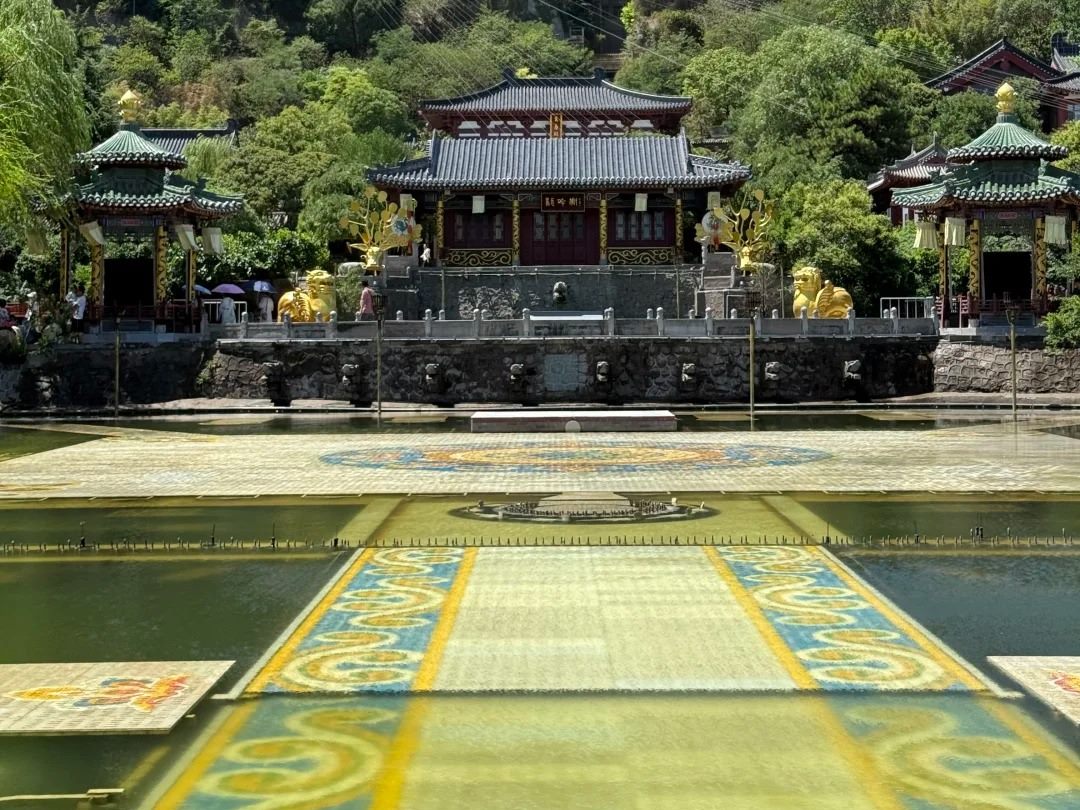
⚠️ Buying is the friction, not the price. The scenic area’s own website does not sell these tickets or publish their times — it hands you off to Chinese e-commerce apps and a phone number. In practice a foreign visitor books through a travel platform or has a hotel do it, and peak-season evenings go early.
Fares, and the ¥120 that is three different tickets
Scenic-area admission is ¥120, half price ¥60.
⚠️ How much to trust these numbers. The concession categories below, and the document each one needs, are the operator’s own published rules. The prices and the show seating bands are not: the scenic area publishes no fares on its own site — its booking page hands off to Chinese e-commerce platforms and a phone number — so those come from resellers and press. We would rather say that than let a reseller’s figure look like an official one.
⚠️ Do not let that number travel. ¥120 is also the Terracotta Army’s admission — twenty minutes away, the same district, very often the same day — and it is what Tang Paradise charges back in the city beside the Giant Wild Goose Pagoda. Three separate gates in one city charge the same figure, which is how a day’s budget quietly comes up one ticket short.
| Who | What they pay |
|---|---|
| Adult | ¥120 |
| Minors 6–18, full-time students (international students enrolled in China included), veterans | ¥60 |
| Children 1.2 m and under, or 6 and under | Free |
| Everyone 65 and over | Free |
| Disabled visitors (plus one carer at grade 2 or above), serving military with spouse and minor children, firefighters, police, licensed guides | Free |
⚠️ The entitlement is not the same as the mechanism. The operator writes every free category as an ID-card scan at the turnstile. A passport does not scan. If you are 65 or over and entitled to walk in free, expect to be processed at a ticket window instead — bring the passport, allow the extra minutes, and do not assume the gate will simply open.
Hours — and why the evening ignores them
| Season | Grounds open |
|---|---|
| 1 March – 30 November | 07:00–19:00 |
| 1 December – end of February | 07:30–18:00 |
⭐ Those hours govern the palace and nothing else. The last curtain is at 21:40, hours after the grounds have shut, so an evening here runs on the show timetable and uses the performance gate. If you are planning a Lintong day around both, the shape is: Terracotta Army in the morning, Huaqing grounds after lunch, out before they clear, back in for the session you booked.
The 07:00 opening in the main season is unusually early for a Chinese scenic area and is worth using if you are doing the pairing in reverse — the hillside is quiet before the first coaches, and the hot-spring pavilions photograph better without them.
Getting there
Metro Line 9 (the former Lintong line) runs to Huaqing Pool 华清池 station, a short walk from the gate. It is cheap, it is not affected by traffic, and it is the recommendation for almost everyone.
⛔ The bus advice in circulation is out of date. The 306 route, also signed 游5, is the one most English guides name — and almost all of them say it leaves from Xi’an Railway Station. It does not, and has not since October 2019: it departs the Textile City bus terminus (纺织城枢纽站). If you go looking for it at the railway station you will lose the morning.
⭐ The pairing that makes the trip out worthwhile is the Terracotta Army, about twenty minutes further east. Do the warriors first: the tourist coach from the city runs in the morning only, so the day has to be built from that end, and Huaqing absorbs an afternoon comfortably.
Key takeaways
- ⭐⭐ Two tickets, not one. Buy the seat and stop there unless you also want the daytime palace: seats open at ¥238, the middle blocks run ¥358–¥388, and the ¥120 grounds ticket is a separate decision rather than a prerequisite.
- ⛔ But the show ticket is not a palace ticket. It admits you to the lakeside performance ground through its own gate. The Tang pools and the Xi’an Incident rooms are a different zone, and it shuts before curtain.
- ⚠️ ¥120 here is not the ¥120 you already budgeted. The Terracotta Army charges the same, twenty minutes away, and Tang Paradise charges it back in the city. Three gates, one number.
- Everyone 65 and over is free, as are children 1.2 m and under or 6 and under. The gate expects a Chinese ID scan, so on a passport plan to be seen at a window.
- Grounds run 07:00–19:00 in the main season and 07:30–18:00 in winter, but an evening here is timed by the performance, not the gate.
Frequently asked questions
Do I need a Huaqing Palace ticket to see the Chang Hen Ge show?
No, and this is the single most useful thing on this subject. The performance ticket and the scenic-area ticket are separate purchases, and the show ticket admits you on its own through the performance gate. ⛔ What it does NOT do is let you into the daytime palace — the Tang bathing pools and the Xi'an Incident rooms are a separate zone that closes before curtain. So a show-only evening costs you the seat price and nothing else, and a day-plus-show means two tickets and two entries.
How much is Huaqing Palace?
¥120 for the scenic area, ¥60 at half price. ⚠️ ¥120 is also what the Terracotta Army charges, twenty minutes away in the same district, and what Tang Paradise charges back in the city — three different gates, one number. Budget them separately. The evening show is priced independently at ¥238–¥988 by seating zone.
Who gets in free?
Children 1.2 m and under or 6 and under, everyone 65 and over, disabled visitors (with one carer free at grade 2 or above), serving military with their spouse and minor children, firefighters, police and licensed guides. Minors from 6 to 18, full-time students including international students enrolled in China, and veterans pay ¥60. ⚠️ The operator writes the free categories as an ID-card scan at the turnstile. A passport does not scan, so if you qualify on age, expect to be processed at a window rather than walking through.
What are the opening hours?
07:00–19:00 from 1 March to 30 November, and 07:30–18:00 from 1 December to the end of February. ⭐ Those are the grounds. The evening is governed by the performance timetable instead — sessions start 18:50, 20:15 and 21:40, with a fourth added on holidays and in peak season — and the performance gate opens well before curtain.
Can I combine it with the Terracotta Army?
Yes, and it is the standard pairing — both are in Lintong district, about twenty minutes apart, and the Terracotta Army needs the morning because the tourist coach out of the city runs mornings only. Warriors first, Huaqing after lunch. ⛔ If you also want the show, understand that the grounds close and clear before it, so you are not simply staying put: you exit and come back in through the performance entrance.
Is it worth it if I am not staying for the show?
Yes, but for a specific reason. The hot springs and the Tang pavilions are pleasant rather than remarkable; what makes the site unusual is that it holds TWO histories on one hillside — the Tang court of Xuanzong and Yang Guifei, and the rooms where Chiang Kai-shek was seized in December 1936. The second is the one most foreign visitors have never heard of and the one they tend to remember.
How do I get there?
Metro Line 9 to Huaqing Pool station, which is the cheap and reliable way and lands you a short walk from the gate. ⛔ Do not plan around the 306/游5 bus without checking where it starts: it departs the Textile City bus terminus (纺织城枢纽站) and has not left from Xi'an Railway Station since October 2019, which most English guides still get wrong.
Sources
Checked August 2026 · Written from our own first-hand travel in China.
Official source: Huaqing Palace concession announcement (Chinese)