Xi’an
西安A foreigner’s 2026 guide to China’s ancient capital — the Terracotta Army, the world’s most complete Ming-era city wall, the Hui-Chinese Muslim Quarter, the Tang-dynasty pagodas, and Hua Shan’s plank walk as a day trip.
Top Things to Do in Xi'an — The Terracotta Army, City Wall & Muslim Quarter
Xi'an travellers search attraction names, not listicles — so this is the marquee set. The Terracotta Army (35 km east in Lintong), the 14 km Ming-era City Wall you cycle, the Hui-Chinese Muslim Quarter, the Tang-dynasty Big Wild Goose Pagoda, the Bell & Drum Towers at the city centre, and Hua Shan — the plank-walk mountain — as a day trip.
Terracotta Army — The Marquee Sight
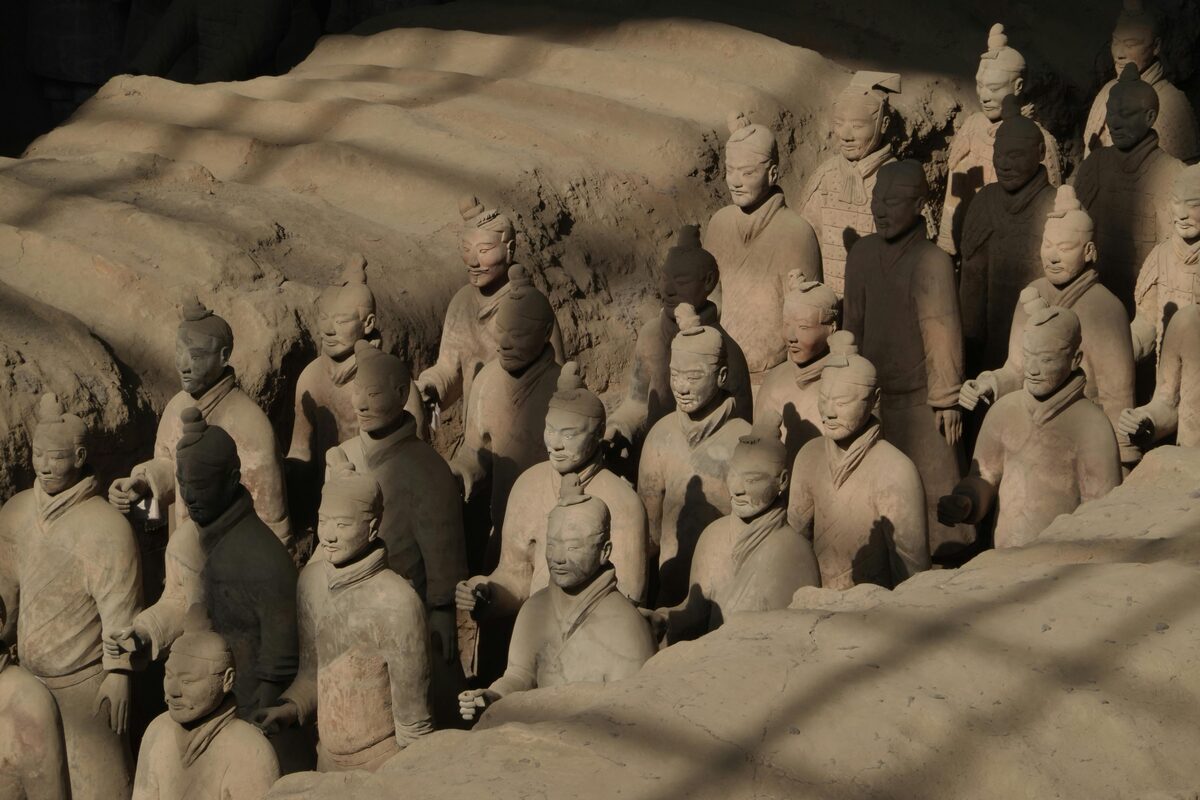
~8,000 life-sized clay soldiers guarding the tomb of China's first emperor, Qin Shi Huang — 35 km east of Xi'an at Lintong. Visit Pit 1 → 3 → 2 → Bronze Chariots Museum. ¥120 peak (Mar-Nov) / ¥90 off-peak, real-name (bring passport). Allow 4-5 hours; most foreign visitors under-budget the time.
Xi'an City Wall — Cycle the 14 km Loop
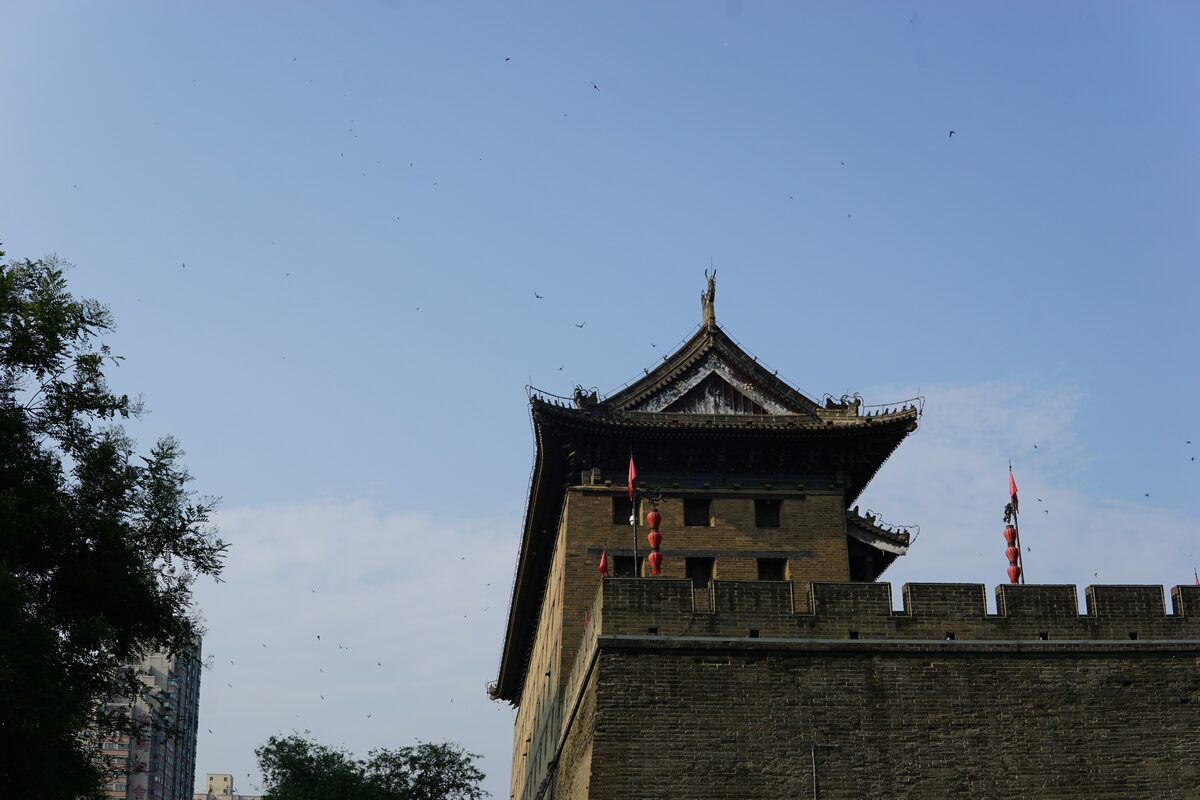
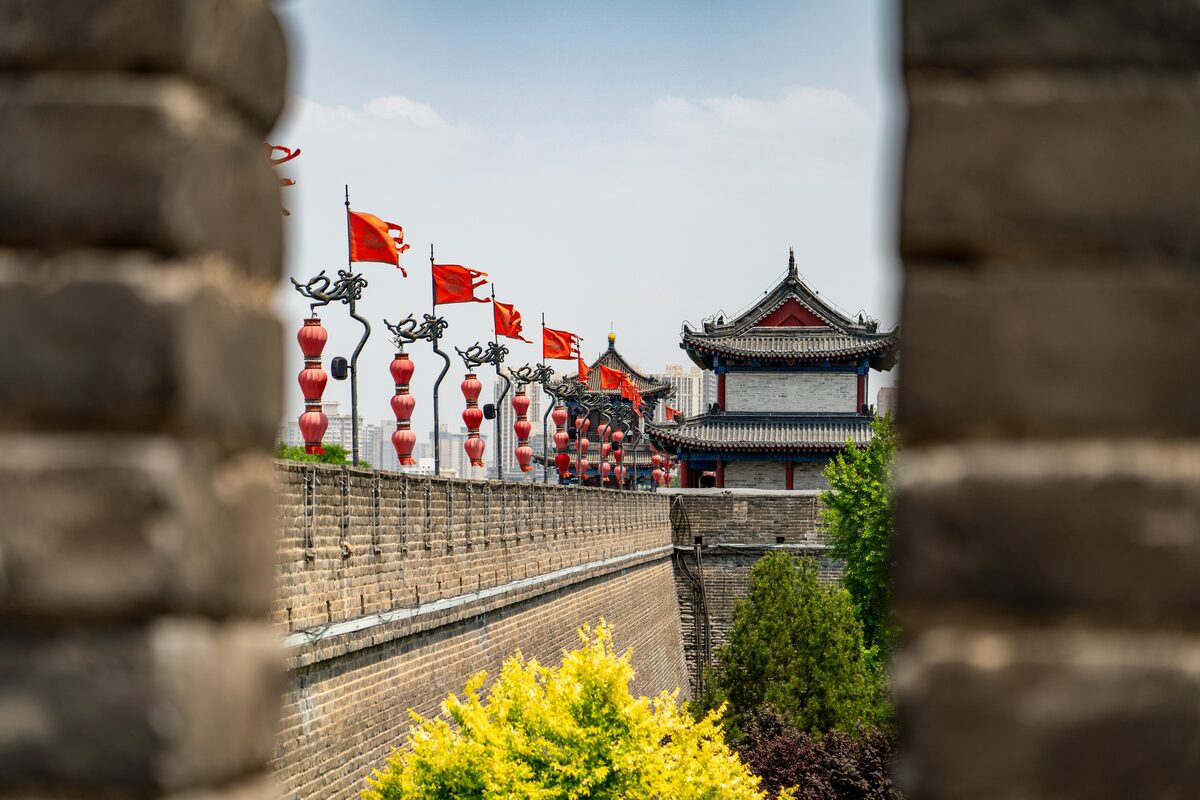
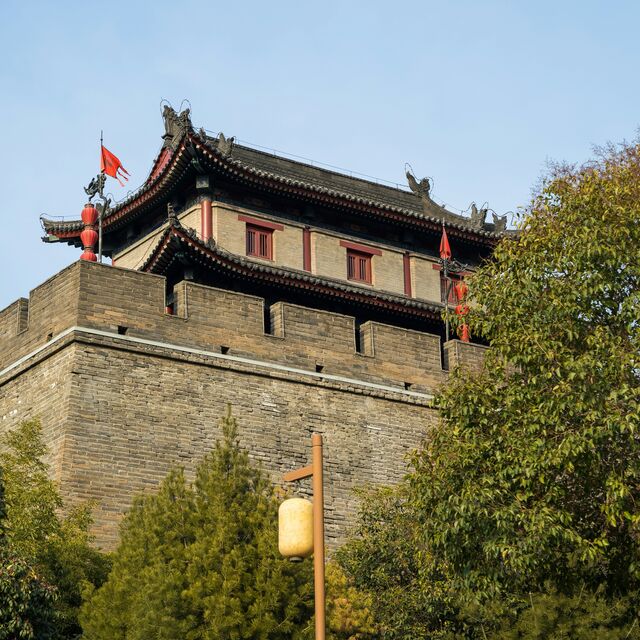
The world's most complete intact ancient city wall — a 13.74 km rectangular loop of Ming-era ramparts (1370 CE) you ride a rented bike along, 12-14 m above the modern city. Wall entry ¥54, bike ¥45 single / ¥90 tandem (100-min limit). Illuminated nightly. Enter at the South Gate (Yongningmen), Metro Line 2.
Muslim Quarter — Hui Food Streets
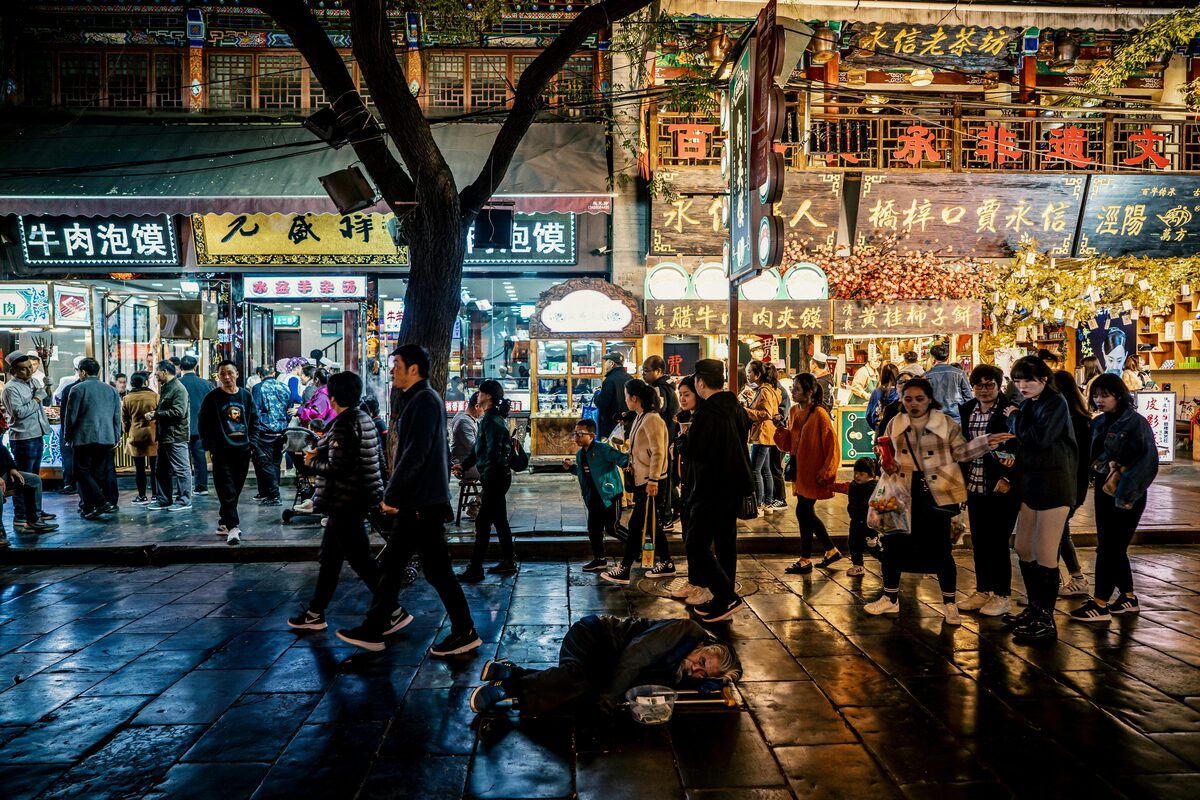
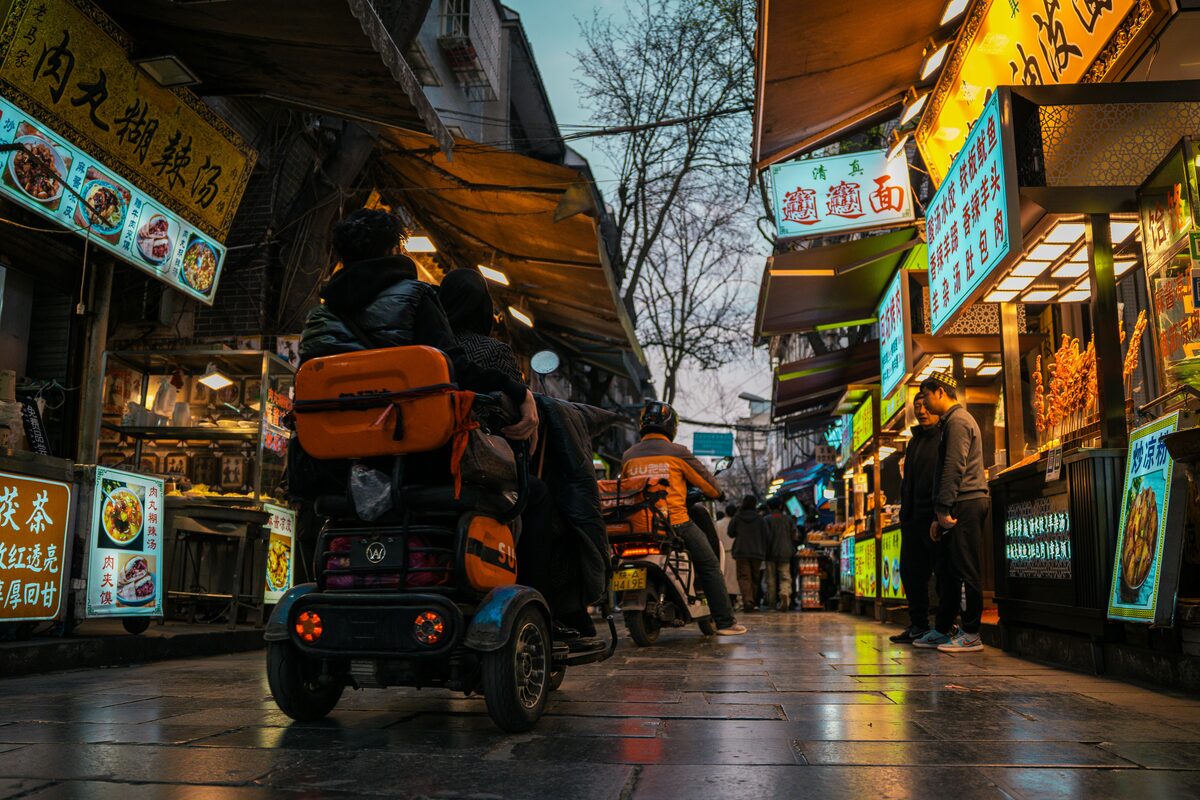
A 1,200-year-old enclave of Hui Chinese Muslims north of the Drum Tower — a four-street network (Beiyuanmen, Damaishi, Xiyangshi, Huajue Xiang) of all-halal food stalls. Yangrou paomo, roujiamo, biang biang noodles, lamb skewers, persimmon cakes. Hidden inside: the Tang-founded Great Mosque (¥25), built in Chinese temple style.
Big Wild Goose Pagoda — Tang Buddhism
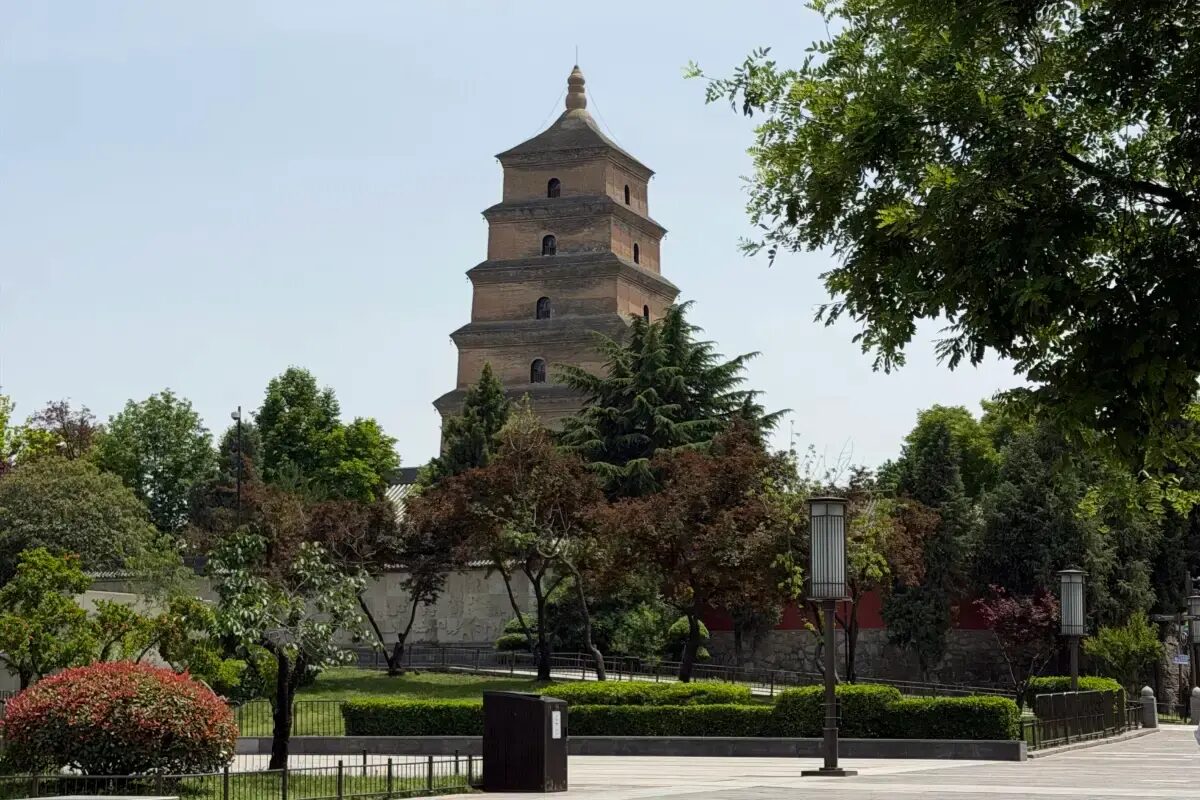
The 64 m, seven-storey Tang-dynasty Buddhist pagoda built in 652 CE to house the sutras monk Xuanzang carried back from India — the journey behind Journey to the West. Grounds ¥40 (¥30 off-peak), pagoda ascent +¥30. The bigger free draw is the nightly music-fountain show at South Square, 8:30 pm summer.
Hua Shan — The Plank Walk Day Trip
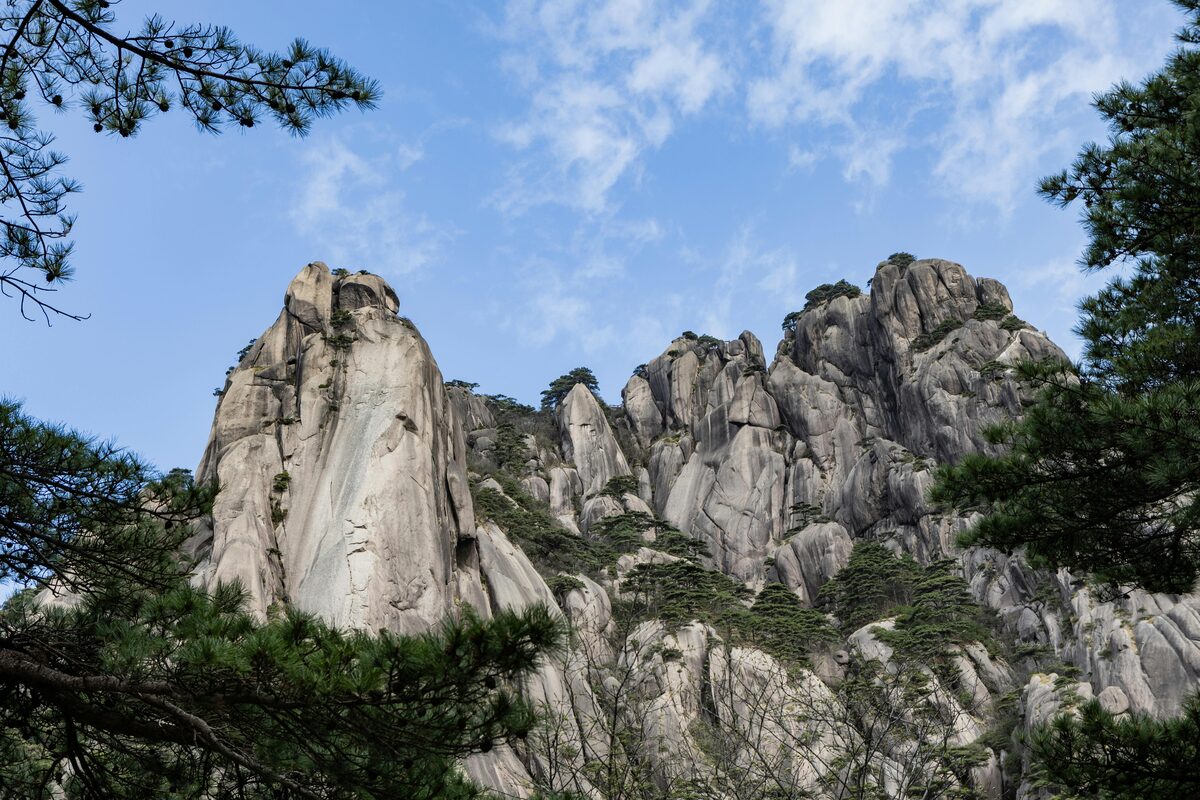
One of China's Five Great Sacred Mountains — five granite peaks and the famous Chang Kong Plank Walk in the Sky, ~30 cm of planks bolted to a vertical cliff. 30 min by HSR from Xi'an North to Huashan North. Mountain entry ¥160 peak / ¥100 off-peak; West + North cable cars make it a same-day trip.
Bell Tower & Drum Tower — The City Centre
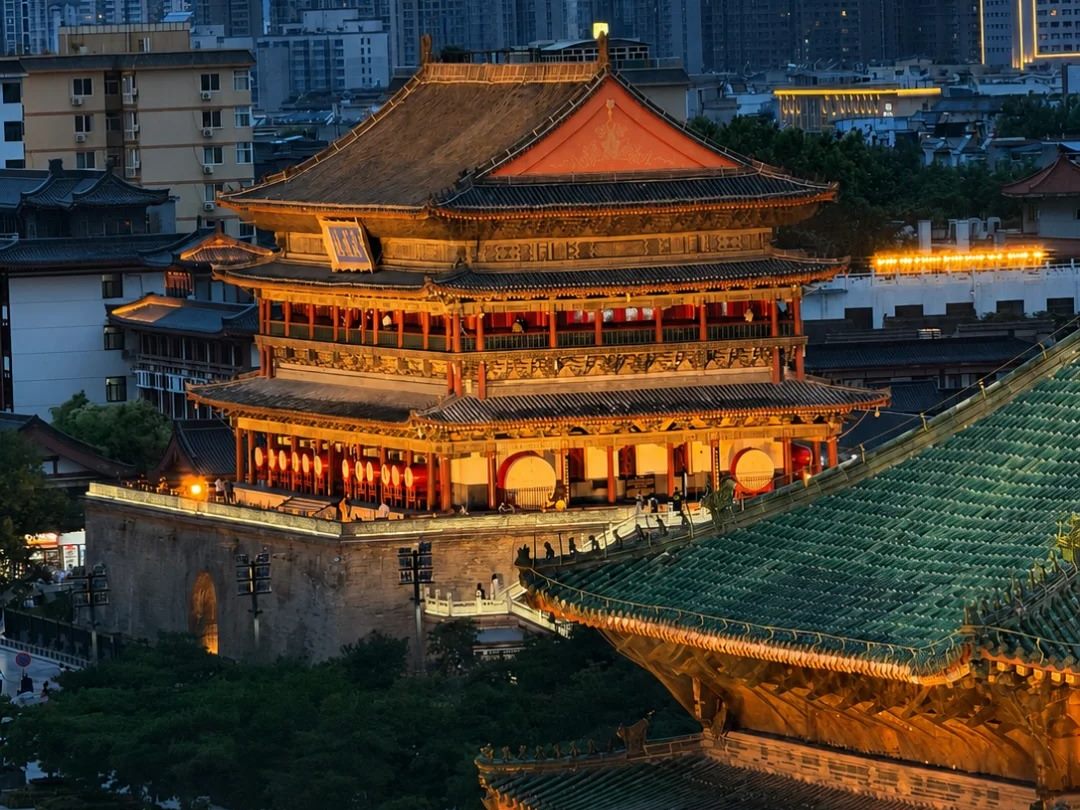
The Bell Tower (钟楼, 1384) sits at the exact centre of the walled city where the four main streets meet; the Drum Tower (鼓楼) stands a short walk west, the gateway into the Muslim Quarter. Both are floodlit after dark and are the city's signature night-photo spot. Combined ticket; Metro Line 2 to Bell Tower station.
Shaanxi History Museum — Free, Book Ahead
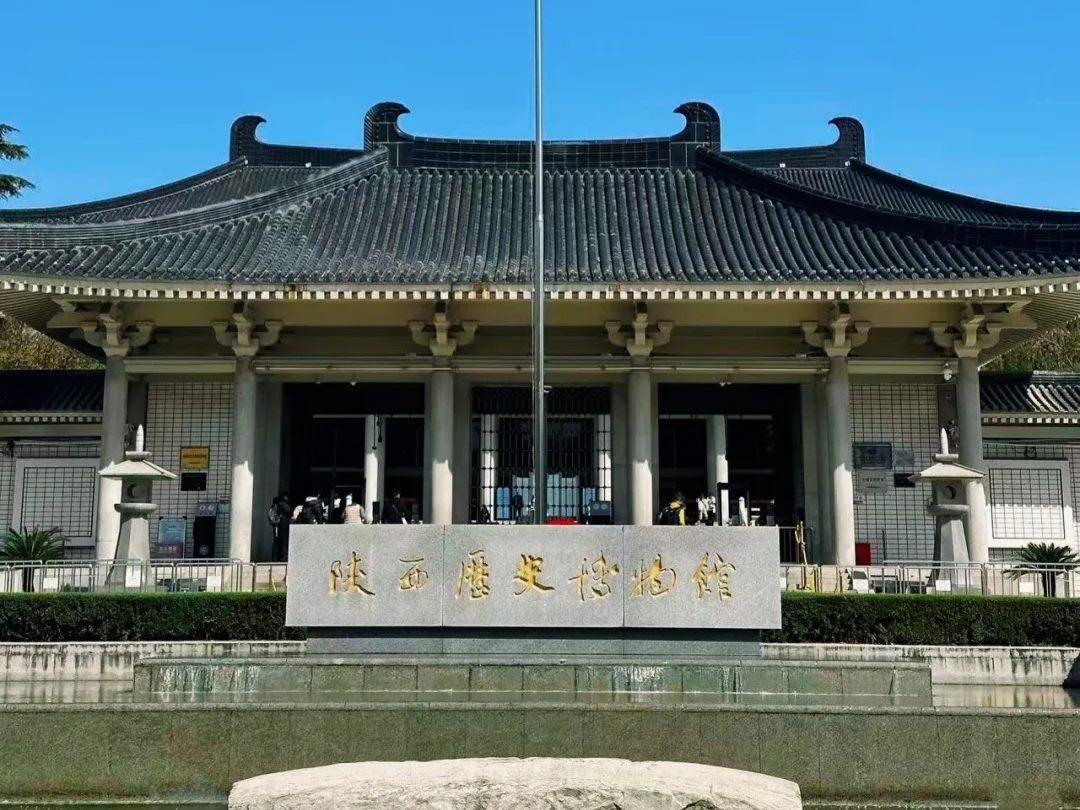
One of China's great museums — 13 dynasties of Guanzhong-plain history from Zhou bronzes to Tang gold, free entry, near Big Wild Goose Pagoda. The catch: free tickets are released a few days ahead and sell out within minutes. Book the moment your dates are fixed, or pay for the separate Great Tang treasures gallery.
Huaqing Palace — Tang Hot Springs
The Tang imperial hot-spring complex at the foot of Mt Li in Lintong — the setting of the Emperor Xuanzong / Yang Guifei romance and, much later, the 1936 Xi'an Incident. It sits on the road to the Terracotta Army, so most visitors combine the two in one Lintong day. Metro Line 9 reaches the Huaqing Pool area.
The Terracotta Army — Xi’an’s One Unmissable Sight
~8,000 life-sized clay soldiers buried 2,200 years ago to guard China’s first emperor, 35 km east of Xi’an at Lintong. Tickets ¥120 peak (Mar-Nov) / ¥90 off-peak, real-name — bring your passport. Visit the pits in the order Pit 1 → Pit 3 → Pit 2 → Bronze Chariots Museum, and budget 4-5 hours: first-time foreign visitors routinely allow two and regret it. A Trip.com day tour with an English-speaking guide is worth it — without interpretation the visit becomes a photo stop.
Xi’an Itinerary — 2, 3, or 5 Days for First-Time Visitors
Most foreign travelers give Xi’an 2-3 days inside a longer China trip. 2 days covers the essentials — the Terracotta Army, the City Wall, the Muslim Quarter and Big Wild Goose Pagoda. 3 days adds a Hua Shan day trip or a slower museum day. 5 days reaches the wider Guanzhong plain — Famen Temple or the Han Yang Ling mausoleum. Pick a duration to see the day-by-day plan.
The Terracotta Army at Lintong, 35 km east — Metro Line 9 toward Huaqing Pool then a shuttle, or a Trip.com day tour with an English guide. Pair with Huaqing Palace. Muslim Quarter dinner.
Cycle the City Wall, walk the Bell Tower / Drum Tower / Muslim Quarter core, then Big Wild Goose Pagoda and the Datang Everbright City pedestrian street in the evening.
Hua Shan — 30 min by HSR from Xi'an North, cable cars up, the plank walk for the brave. OR a slower city day: the Shaanxi History Museum (free, book ahead), the Great Mosque, and Yongxingfang food courtyard.
Emergency Essentials — Addresses, Phone Numbers, PSB Offices
Xi'an has very limited foreign consular presence compared to Beijing / Shanghai / Chengdu / Chongqing. As of 2026 there are no operating Western consulates in Xi'an — foreigners with passport emergencies in Xi'an must contact their embassy in Beijing by phone for instructions, and typically travel to Beijing for in-person ETD issuance (1h 5min by G-train Xi'an North → Beijing West; same-day round-trip is possible for a single appointment). For US citizens: Beijing Embassy +86-10-8531-4000. For UK: +86-10-5192-4000. The local Xi'an PSB office handles the police-report step regardless of where you travel for embassy processing.
Data verified against Amap (高德地图) on 2026-05-21. Editorial filter + ranking by an editor based in mainland China since 2018 (NOT a Xi’an resident; data is Amap-verified and aggregated from official sources).
National Emergency Phone Numbers (mainland China)
Hospitals
For medical emergencies dial 120 (ambulance). The major hospitals listed below are large, well-equipped, and most likely to have English-speaking staff. For non-emergency visits, ask your travel insurance for in-network options.
Xijing Hospital, Air Force Medical University (formerly 4th Military Medical University)
西京医院First Affiliated Hospital of Xi'an Jiaotong University (Main Campus)
西安交通大学第一附属医院总院PSB Exit-Entry Offices
Public Security Bureau Exit-Entry offices handle lost-passport reports, visa extensions, and foreigner residency registration. Use the most central municipal office for a standard lost-passport report; provincial or city-level offices handle complex cases such as visa-category changes.
Xi'an Municipal PSB Exit-Entry Administration (Main Office)
西安市公安局出入境接待大厅Xi'an Beilin District PSB Exit-Entry Office
西安市公安局碑林分局出入境接待大厅Xi'an Xincheng District PSB Exit-Entry Office
西安市公安局新城分局出入境接待大厅Shaanxi Provincial PSB Exit-Entry Administration
陕西省公安厅出入境接待大厅Getting Around Xi’an — Metro, the Airport & HSR
Xi’an is compact where it counts — the walled city is flat and walkable, and a fast-growing metro covers everything beyond it. There is one airport, Xianyang (XIY), and one main high-speed-rail hub, Xi’an North.
Line 2 runs north-south through Xi’an North Station, the Bell Tower and the City Wall South Gate. Line 3/4 reach Big Wild Goose Pagoda; Line 6 serves Gaoxin; Line 14 links Xi’an North to the airport. ¥2-9 by distance, tap in with an Alipay or WeChat QR.
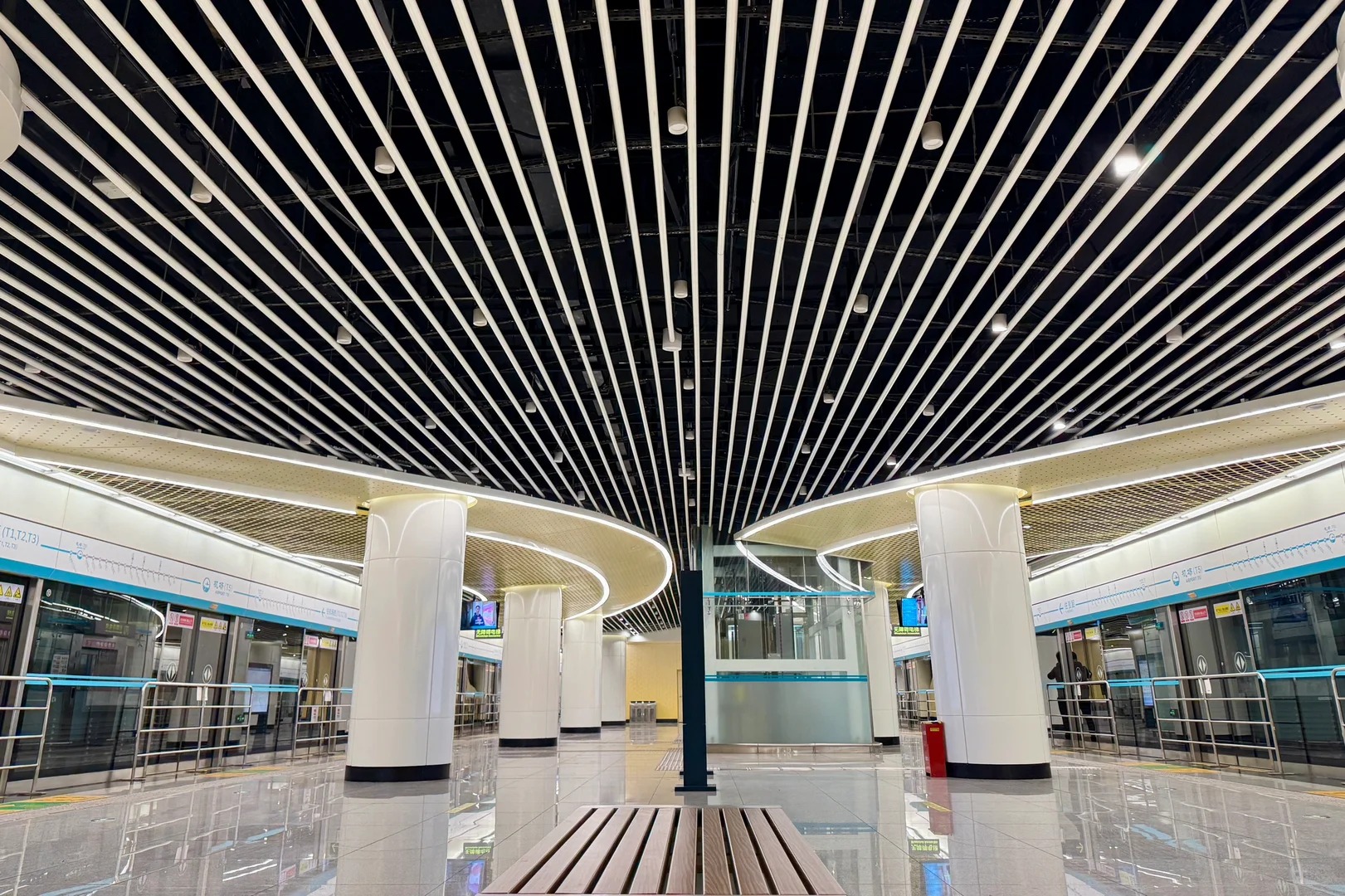
One airport for Xi’an, with terminals T2, T3 and the new T5. Metro Line 14 reaches Xi’an North Station in ~40 min; airport buses run to the Bell Tower in ~75-90 min; a taxi is ¥120-150. Read the XIY airport guide →
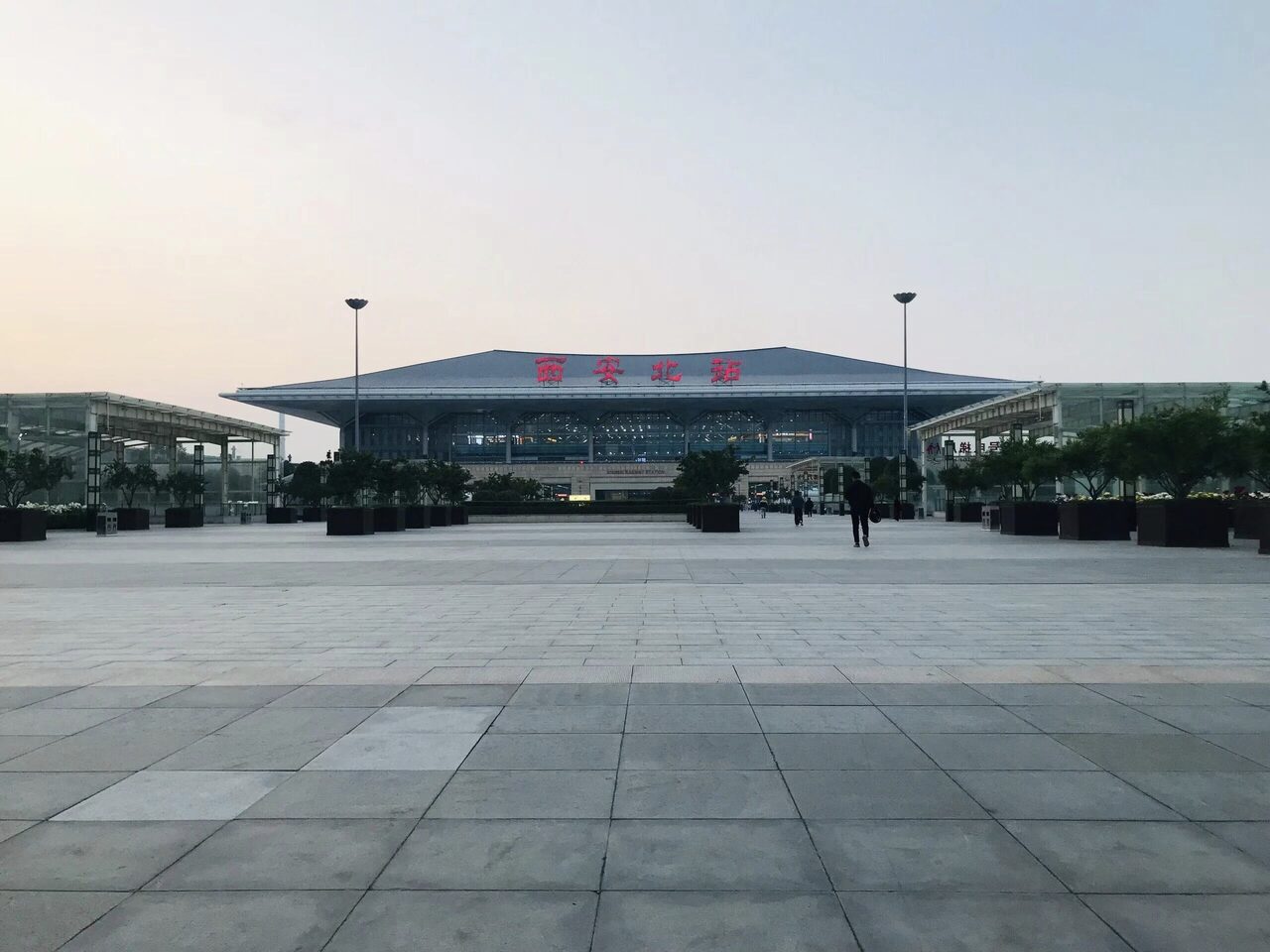
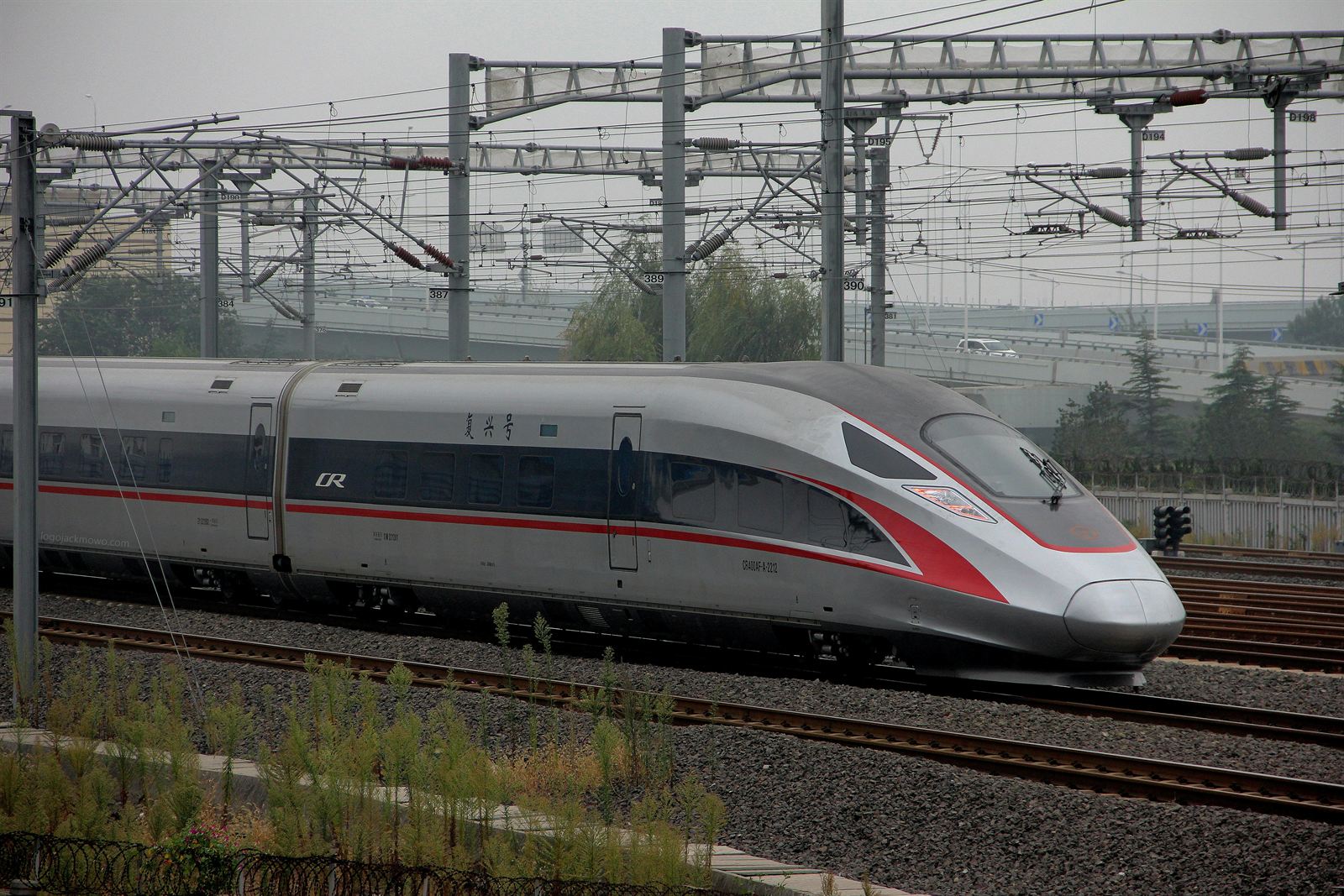
Xi’an North Railway Station handles almost all high-speed rail — Beijing, Chengdu, Shanghai, Luoyang, and Huashan North for the Hua Shan day trip. Book on 12306 or Trip.com. Read the station guide →
Where to Stay
For a first Xi’an trip, stay inside the City Wall — the historic core is walkable and every metro line is close. The other four areas suit specific priorities.
Walking distance to the Bell Tower, Drum Tower and Muslim Quarter, 20+ restaurants within 500 m, and Metro Line 2 underneath — a 27-minute ride to Xi’an North Station.
Sleep inside the Hui food-street network, a ~9-minute walk to the Bell Tower. The catch: the main streets are loud past midnight — pick a hotel a lane or two off Beiyuanmen.
The free fountain show, the Datang Everbright City street, new malls and family hotels. Metro Line 4 direct to Xi’an North; quieter and newer than the walled city.
Gaoxin has the international chains and Western dining, Metro Line 6 to the centre. Xi’an North suits only multi-city HSR trips — it is a transit precinct with almost no dining.
What to Eat in Xi’an — A Wheat-and-Cumin City
Xi’an eats wheat, not rice, and leans hard on cumin, chilli and vinegar — a cuisine shaped by the Silk Road and the Hui Chinese Muslim community. Four dishes define a first visit.
Cumin-spiced stewed meat in a crisp griddle-baked bun — beef or lamb in the Muslim Quarter, pork elsewhere. The cheapest great thing you will eat in Xi’an.
One enormous hand-pulled noodle, best dressed you po — chilli and aromatics flash-fried in smoking oil at the table. Named for the hardest character in common Chinese use.
You tear a dense flatbread into small pieces by hand; the kitchen simmers it in lamb broth. Xi’an’s signature dish — part meal, part ritual.
Cold starch noodles with chilli oil and vinegar — the everyday snack — plus persimmon cakes, lamb skewers and guantang soup dumplings.
Where to eat: the Muslim Quarter (回民街 / 北院门) is the obvious all-halal hub, but it is touristy — the quieter Da Pi Yuan and Sa Jin Qiao lanes are where locals actually eat, and Yongxingfang (永兴坊) is a curated food-culture courtyard worth a meal.