What is actually on the site
Daming Palace (大明宫, Dàmínggōng) housed the Tang court for most of the dynasty’s length — the seat of government, and the address a good deal of Tang poetry is written from. The ground it stood on has never been built over since it went.
What that means in practice is the single fact this page exists to deliver: the site is conserved, not reconstructed. Chinese heritage policy here has been to protect the archaeology and not to rebuild on top of it, so the famous halls — Hanyuan, Xuanzheng, Zichen — are present as rammed-earth platforms, their footprints traced in white line on the ground, with the missing architecture shown in scale models and on display boards. There is not a hall to walk into anywhere on the site.
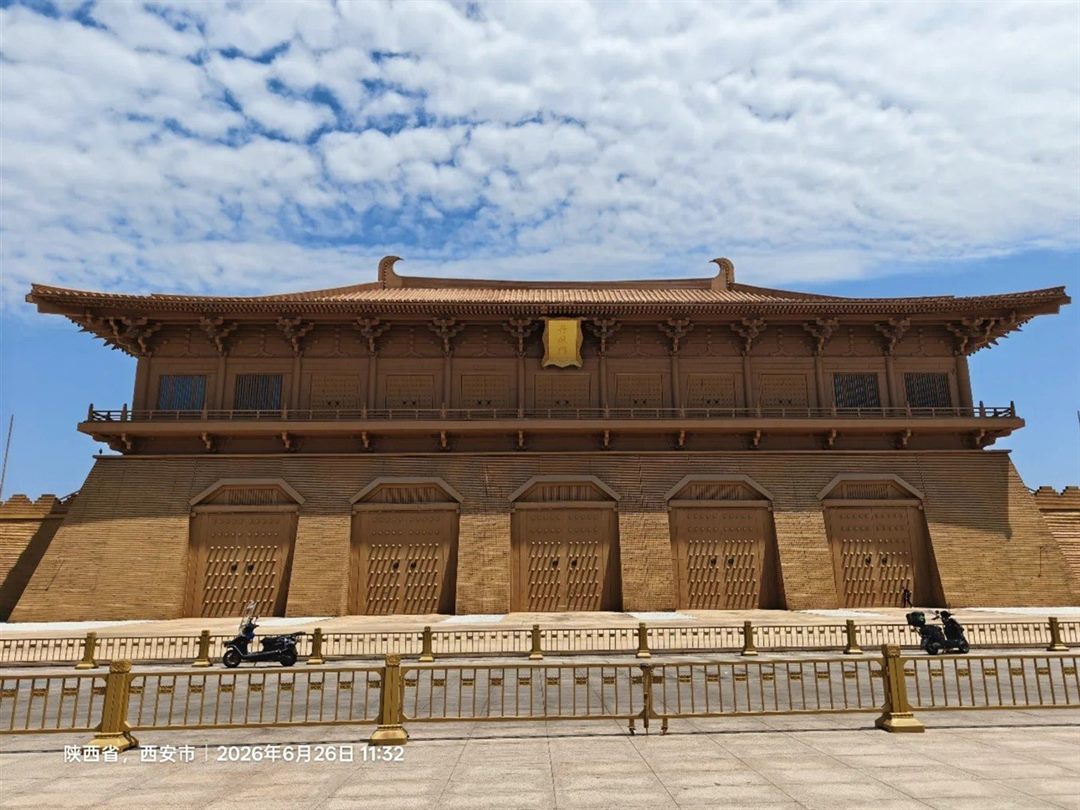
⭐ That is a deliberate and defensible choice, and once you know about it the visit changes character. You are not looking at a ruin that somebody failed to restore. You are standing on a floor that has been left as evidence.
Is it worth going? A conditional yes
Most of the disappointment recorded about this place is not about the place. It is about the gap between the name and the ground — people arrive expecting the Forbidden City and find a field with platforms in it.
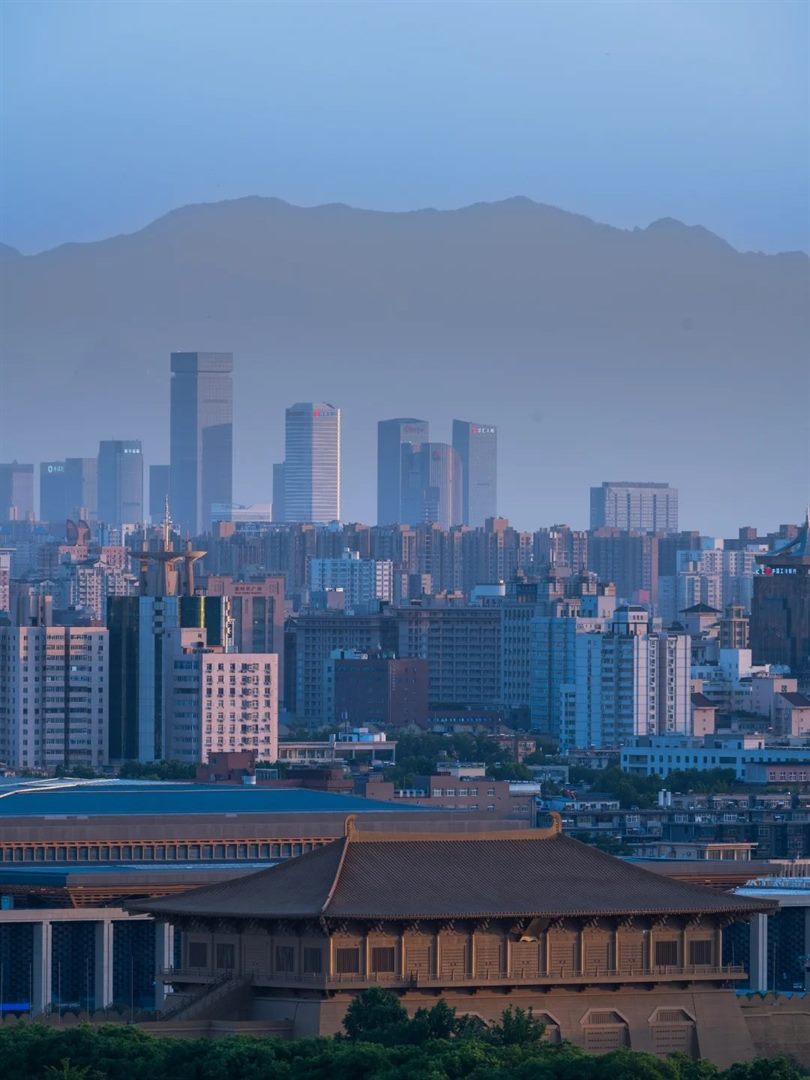
Go, if: you have a real interest in Tang history, or you want the one thing in Xi’an that conveys the sheer physical scale of the dynasty. From the top of the Hanyuan Hall platform you look out over the modern city from the height the court did, across ground big enough that the far end is a walk rather than a glance. Nothing else in the city offers that, and no reconstruction could.
Skip it, if: you are on a first two- or three-day trip. It competes directly with the Terracotta Army, the city wall and the Shaanxi History Museum, and it loses to all three on a short trip.
⛔ And if what you actually want is Tang splendour, say so and go elsewhere. For grand Tang-style architecture and atmosphere, that is Tang Paradise or Datang Everbright City, which is free. For real Tang objects, it is the Shaanxi History Museum. Neither of those is a consolation prize — they are simply the right answer to a different question, and a lot of people arrive here having asked that question without realising it.
Two zones, two vehicles, one confusing name
“Daming Palace” is two different places sold under one name, and almost every listing describes one of them without saying which.
| Zone | Cost | What is in it |
|---|---|---|
| Outer park | Free, no booking | Open parkland, lawns, the Taiye Pool shore, the outside of Danfeng Gate. Where the city walks its dogs and flies kites. |
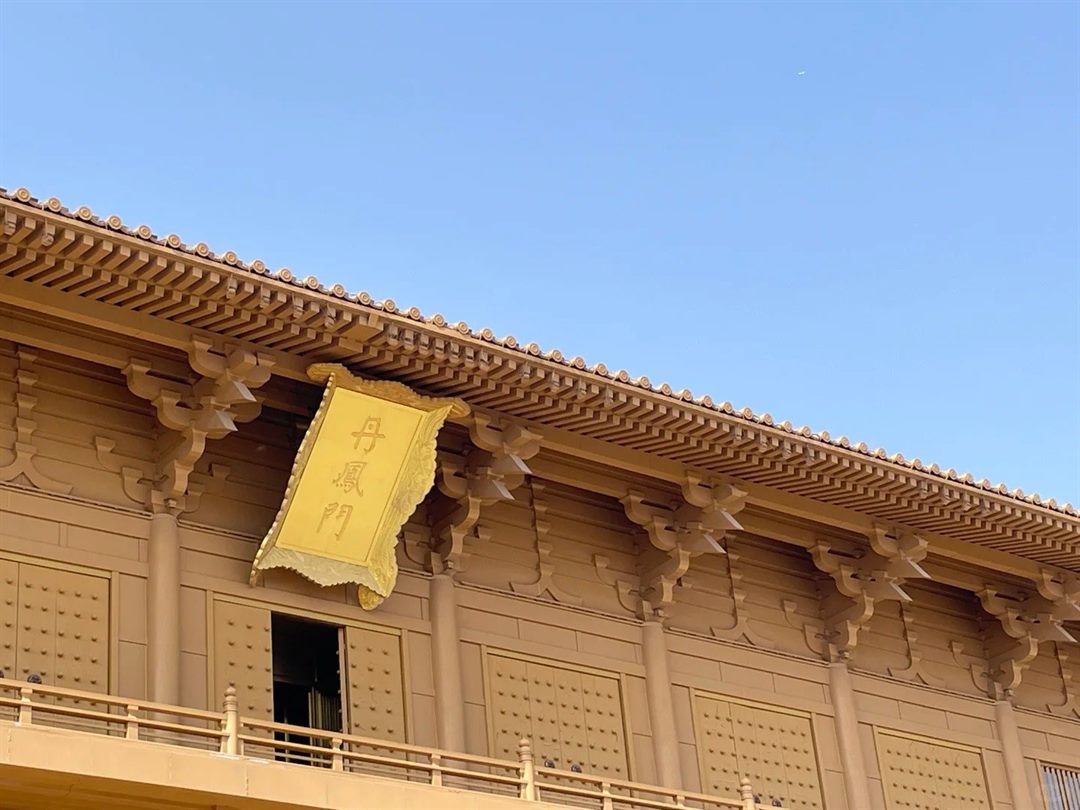
| Core ruins zone | ¥60 · ¥30 concession | Danfeng Gate ruins museum (丹凤门遗址博物馆), the Daming Palace ruins museum, the Hanyuan / Xuanzheng / Zichen platforms, and the scale-model area. |
The vehicles follow the same split, and this is where money gets wasted:
| Vehicle | Cost | Where it runs |
|---|---|---|
| Electric cart (电瓶车) | ¥30–39 | Inside the ticketed core, ~20 min past the platforms and museums. Hop-on, hop-off, but one loop only. |
| Land train (小火车) | ¥49 | Around the free outer park, ~40 min, hail-and-ride. |
| Combined ticket | ¥88 | Core admission + the cart + the museum’s official commentary. |
⭐ The ¥88 combined ticket is the rung worth buying, and not mainly for the cart. It carries the official commentary, and on a site whose whole content is unmarked earth, the commentary is what turns a platform back into a building. Going in without it is the most common way to have a bad time here. ¥120 adds the archaeology centre; students pay ¥65 and ¥80 for the same two rungs.
⚠️ Why the cart is a range and admission is not. The ¥60 admission is a government-set price, fixed by a municipal pricing document and quoted identically everywhere. The vehicles are the operator’s own business, they have never appeared on any official park page, and visitors report paying both ¥30 and 39 for the cart within the last eighteen months. Either two different carts are running or the fare moved; nothing published settles it, so budget the higher figure.
⚠️ Booking: the core is reserved through the park’s own WeChat mini-programme, at least a day ahead, and tightens at weekends and on public holidays. Entry is real-name against the document you booked with, so carry your passport. The outer park needs nothing.
⛔ There is a free-admission day on the second Wednesday of each month, and it is not for you: it is restricted to Xi’an residents and residence-permit holders. It appears in enough listings without that qualifier to be worth saying plainly.
The station called Daming Palace is the wrong one
This is the most useful thing on the page, and it is counter-intuitive enough that most guides get it wrong.
You want Danfeng Gate (丹凤门), the main south gate. Measured as actual walking routes from each Line 4 station:
| Station | Walk to Danfeng Gate |
|---|---|
| 西安站 Xi’an Railway Station (north exit) | 604 m — about 8 minutes |
| 含元殿 Hanyuandian | 1,393 m |
| 大明宫 Daming Palace | 2,417 m |
⛔ The station that shares the park’s name is the furthest of the three from its main gate, on the opposite side of a very large site — and it is the one you will be told to use. Follow that advice and you have a half-hour walk round the perimeter instead of an eight-minute one.
The reason is simply that the park is enormous and the metro skirts its eastern edge, while Danfeng Gate sits at the southern tip, directly north of the main railway station. If you are arriving in Xi’an by train, the gate is a short walk from where you already are.
Doing the visit
Enter at Danfeng Gate, for three practical reasons rather than aesthetic ones: the visitor centre, ticket desk, audio-guide hire and both vehicle stops are all there; the site then reads north along its own axis — the imperial way, Hanyuan Hall, Xuanzheng Hall, Zichen Hall, and out to the Taiye Pool — so you follow the historical order without doubling back; and it is the gate nearest the metro. The eastern 左银台门 gate is the quieter way in if lawns and open space, rather than the ruins, are what you came for.
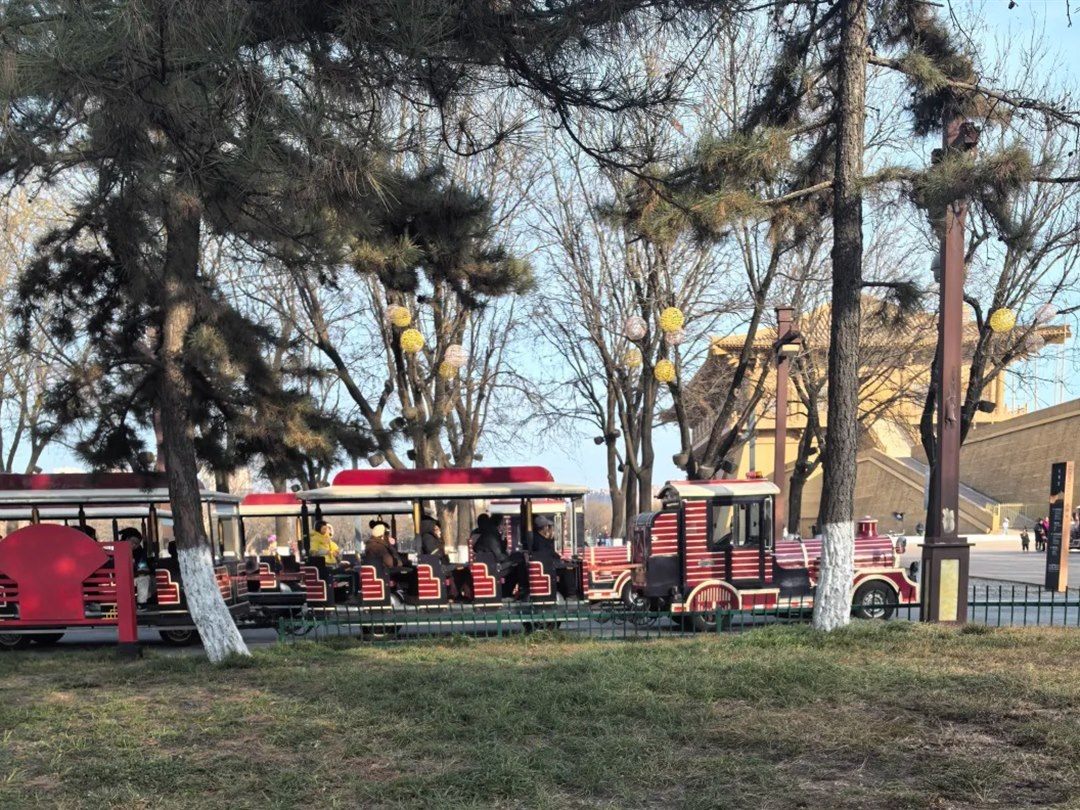
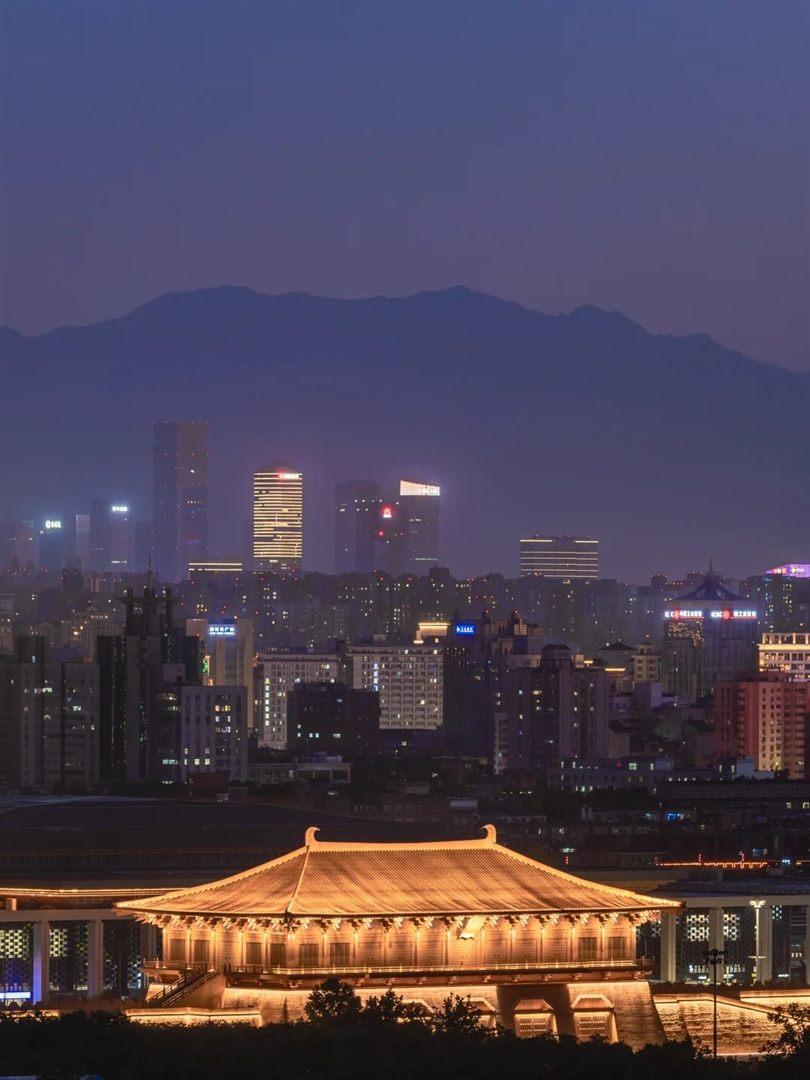
Allow two to three hours. Roughly: the Danfeng Gate museum (丹凤门遗址博物馆) with the commentary, then the cart through the core, then out into the free park if you want the Taiye Pool (太液池) at sunset.
⛔ The clock that catches people is 17:00, when ticket sales and admission to the core both stop. Turning up at half past four is not the same as turning up before closing, and the gate will not make an exception because you have come a long way. Arriving after it, you can still walk the parkland — but that is a different trip, and it is the one without the ruins in it.
⚠️ There is no shade. That sounds like a minor comfort note and it is not: the site is huge and almost entirely open, so a midsummer midday visit is genuinely punishing and a midwinter one is bitter on exposed ground. Spring and autumn afternoons are the honest answer, entering around 15:00–16:00 — soft light on the terraces, inside the 17:00 cutoff, sunset in the park afterwards.
Carry water and sun cover rather than counting on buying them: shops on site are few and stock drinks and snacks rather than anything substantial. The Taiye Pool edge has mosquitoes in warm weather.
Key takeaways
- ⭐ There is no palace. It burned at the end of the Tang and the site is conserved, not rebuilt — earth platforms, white outlines and scale models. Knowing that in advance is the difference between a moving visit and a wasted afternoon.
- ⭐⭐ Use the wrong-sounding station. Line 4 to 西安站, north exit, 604 m to Danfeng Gate. 大明宫站 shares the park’s name and is 2,417 m from that gate.
- Two zones, two vehicles: the ¥30–39 cart works inside the ticketed core, the ¥49 land train loops the free outer park. The ¥88 combo is admission + cart + the commentary that makes the ruins readable.
- ⛔ The cutoff is 17:00, an hour before the 18:00 close. Book the core a day ahead in the park’s WeChat mini-programme; the outer park needs nothing.
- Go mid-afternoon in spring or autumn. There is no shade anywhere, so summer midday is genuinely punishing and winter is bitter on open ground.
Frequently asked questions
Is Daming Palace worth visiting?
It depends entirely on knowing what it is before you go. The palace burned at the end of the Tang and the site is conserved rather than rebuilt, so there are no halls — only rammed-earth platforms, outlines in white line, and scale models. If you go for the sense of scale and the history, standing on the Hanyuan Hall platform is genuinely moving. If you go expecting Tang architecture, you will leave disappointed, and that is what most negative reviews are actually describing. On a first two- or three-day Xi'an trip it loses to the Terracotta Army, the city wall and the Shaanxi History Museum.
How much does it cost, and what is free?
The park is split in two. The surrounding parkland is completely free and needs no booking — locals walk, fly kites and picnic there. The core ruins zone, which holds the Danfeng Gate museum, the Daming Palace ruins museum, the Hanyuan and Zichen hall platforms and the scale-model area, costs ¥60 for an adult and ¥30 for students and under-18s.
Do I need to book in advance?
For the ticketed core, yes — book at least a day ahead through the park's own WeChat mini-programme, and expect weekends and public holidays to tighten. Entry is real-name, scanned against the document you booked with, so bring your passport. The free outer park needs nothing at all: walk in.
Which metro station should I use?
Line 4 to 西安站 (Xi'an Railway Station), out of the north exit — 604 m to Danfeng Gate, the main south gate. ⛔ Not 大明宫站, despite the name: it is 2,417 m away by road on the far side of the park, and it is what most guides and apps will tell you to use.
Do I need the cart or the land train?
They are two different vehicles serving two different zones, which is the most confusing thing about visiting. The electric cart (¥30–39, about 20 minutes) runs inside the TICKETED core past the hall platforms and museums. The land train (¥49, about 40 minutes, hail-and-ride) loops the FREE outer park. Buying one does not give you the other. The ¥88 combined ticket is admission plus the cart, and it also includes the museum's official commentary — which is what makes the earth platforms legible, so it is the rung worth buying.
What are the opening hours?
The ticketed core runs 08:30–18:00, but the number that matters is the cutoff: ticket sales and admission both stop at 17:00, a full hour before it closes. The free outer park stays open later, so a late arrival can still walk the parkland and see the Taiye Pool at sunset — just not the ruins.
When is the best time of day to go?
Mid-afternoon, entering around 15:00–16:00. Crowding is not the issue here; exposure is — the site is enormous and has essentially no shade, so midday in summer is punishing and midwinter is bitterly cold on open ground. An afternoon entry gives soft light on the terraces, clears the 17:00 cutoff, and leaves the free park for sunset.
Is there a free admission day?
There is one on the second Wednesday of each month — but it is explicitly for Xi'an residents and residence-permit holders, so a visiting traveller does not qualify. Do not plan a trip around it.
Sources
Checked August 2026 · Written from our own first-hand travel in China.
Corrected since publication: we printed one price for the in-park electric cart — visitors report two, ¥30–39, so it is a range now, with the reason given rather than a tidier single figure.