Route guide · High-speed rail
Guangzhou to Beijing by High-Speed Train (2026)
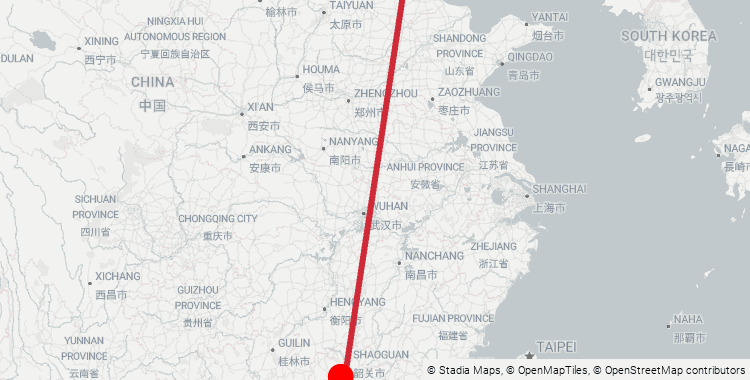
2,298 km up the Beijing–Guangzhou (京广) trunk — the longest high-speed run in the country, from the subtropical south to the dry north plain, about 7h 17m on the fastest G-trains. At this distance most travelers fly. The honest question is whether you should be one of them.
China for Travelers EditorialUpdated Save this — opening times and closures changeRail data refreshed monthly
- 2nd class
- ¥703 – ¥1033
- what everyone buys
- Frequency
- 17/day
- 07:26 – 21:01
- Train types
- G
- G = fastest
- Flight
- ~3–3.5h
- most people fly
Most people fly this route — ~3–3.5h in the air vs 7h 17m – 11h on rails. Take the train for the country-long view, to skip airports, or to break the trip at Changsha or Wuhan; the daytime trains arrive at Beijing West 北京西站.
The route at a glance
Guangzhou South (广州南) to Beijing West (北京西) runs the length of the Beijing–Guangzhou high-speed line (京广高铁), the country’s main north–south trunk and the longest corridor in the network at roughly 2,298 km. The fastest G-train covers it in 7h 17m; most run 7h 17m – 11h with stops that usually include Changsha and Wuhan — two cities you can split the trip at — and there is about 17 a day each way from 07:26 – 21:01. Heading to the station from elsewhere in Guangzhou first? See the Guangzhou South station guide.
One fact drives everything below: the daytime G-trains all run in daylight, so the ride eats a full day either way (the exception is the overnight sleeper EMU — more below). That is why, unlike the short hops, the honest first question here is train or plane. The window show is the consolation prize: the green, humid subtropics of Guangdong give way to the Hunan hills, then the lakes and rivers around Wuhan, then the dry North China Plain into Beijing — the single ride that shows you how big and varied China is.
Which station — at both ends
Both cities have several rail stations, so the things to get right are which one you leave from in Guangzhou and which one you arrive at in Beijing.
Leaving Guangzhou
Trains leave Guangzhou South (广州南站), the big HSR hub about 17 km south of the centre on Metro 2, 7 & 22. It is one of the busiest stations in the country, so arrive 40–50 minutes early (an hour-plus on holidays). From the metro the closest entrance depends on your gate number: gates 1–14 (east) are by Exit H, gates 15–28 (west) by Exit B, and Line 22 comes up at Exit P — then follow the blue “进站检票” signs up to the third-floor security hall. The waiting hall is symmetric, split into A and B sides, so check the letter on your ticket. Layout in the Guangzhou South station guide.
Arriving in Beijingcheck it
Most arrive at Beijing West (北京西站) on Metro Lines 7 & 9, west of the centre, so budget one onward metro leg. A few services use Beijing Fengtai (北京丰台) or Qinghe (清河); Beijing South and Chaoyang run no Guangzhou service. Check the station printed on your ticket. Layout and exits in the Beijing West station guide.
Train vs flight — the honest comparison
This is the part most route guides skip. On short corridors the train wins easily; on a haul this long, for most travelers it does not. Here is the trade laid out plainly:
| High-speed train | Flight | |
|---|---|---|
| Journey time | 7h 17m fastest (7h 17m – 11h) | ~3–3.5h in the air |
| Price (economy) | ¥703 – ¥1033 | ¥600 – ¥1,600 + ¥50–250 tax/fuel |
| Door-to-door (real) | ~9–9.5h — both ends on the metro; Guangzhou South sits ~17 km south, so budget one onward ride. | ~7–7.5h — 2h check-in + 45–60 min to each airport (Baiyun ~40 km, Daxing ~50 km) + bag claim. |
| Experience | A full day watching the country change; power at every seat; you can walk around — and break the trip at Changsha or Wuhan. | Over and done by lunch; nothing to see but cloud. |
- Fly
- if speed is all that matters — it saves roughly 2 hours door-to-door.
- Take the train
- if you dislike airports, want the window scenery, or plan to break the trip at Changsha or Wuhan.
- Take the sleeper
- if you would rather travel overnight — the sleeper EMU (动卧) saves a hotel night and a day of travel.
Fly to save time — but less than the headline. The flight is ~3–3.5h in the air, yet door-to-door it is closer to 7–7.5 hours: add a 2-hour airport check-in (give yourself the full two hours — China airports are big and the process is unfamiliar), the 45–60-minute run out to each airport (Guangzhou Baiyun sits ~40 km from town, Beijing Daxing ~50 km), plus bag claim. Against the train’s ~9–9.5 hours downtown-to-downtown, the real gap is about two hours, not the five the bare “3h vs 8h” suggests. The flight still wins on time for most people — just by less than it looks.
On price, compare like with like. A one-way economy seat is often ¥600 – ¥1,600, but China domestic fares are quoted before a ~¥50 civil-aviation development fund and a fuel surcharge that swings ¥0–200 with oil prices — so add roughly ¥50–250 to the headline. The train’s ¥703 – ¥1033 second-class fare is all-in. Fares move a lot, so check the day before deciding.
Ride for the experience — or sleep through it. The train earns its day if you dislike flying, want to watch the subtropical south give way to the north plain, or plan to break the journey at Changsha or Wuhan. One catch worth knowing: a through ticket is void once you step off, so a stopover means buying each leg separately. And there is an overnight option — a sleeper EMU (动卧) runs roughly 21:00 → 06:30 and books like any other train — if you would rather sleep across the country than spend a day on it.
Classes and price
Fares are dynamically priced, so the exact number depends on the train and how far ahead you book — but on a journey this long the class you pick actually matters:
| Class | Price | Worth it? |
|---|---|---|
| Second classmost buy | ¥703 – ¥1033 | 3+2 seating, power at every seat — fine, but it is a long time in one seat. |
| First class | ¥1653 | 2+2 seating, wider and quieter — genuinely worth the upgrade on a journey this long. |
| Business class | ¥3250 | Lie-flat pods — a real luxury for a full day, but at this price most travelers just fly business instead. |
Pricing tip: the cheapest second-class fares go to off-peak mid-week departures; peak daytime slots and holidays trend toward the top of the band. Because the seat is identical across trains, if a little saving matters more than an hour, take the cheaper departure.
What's waiting in Beijing
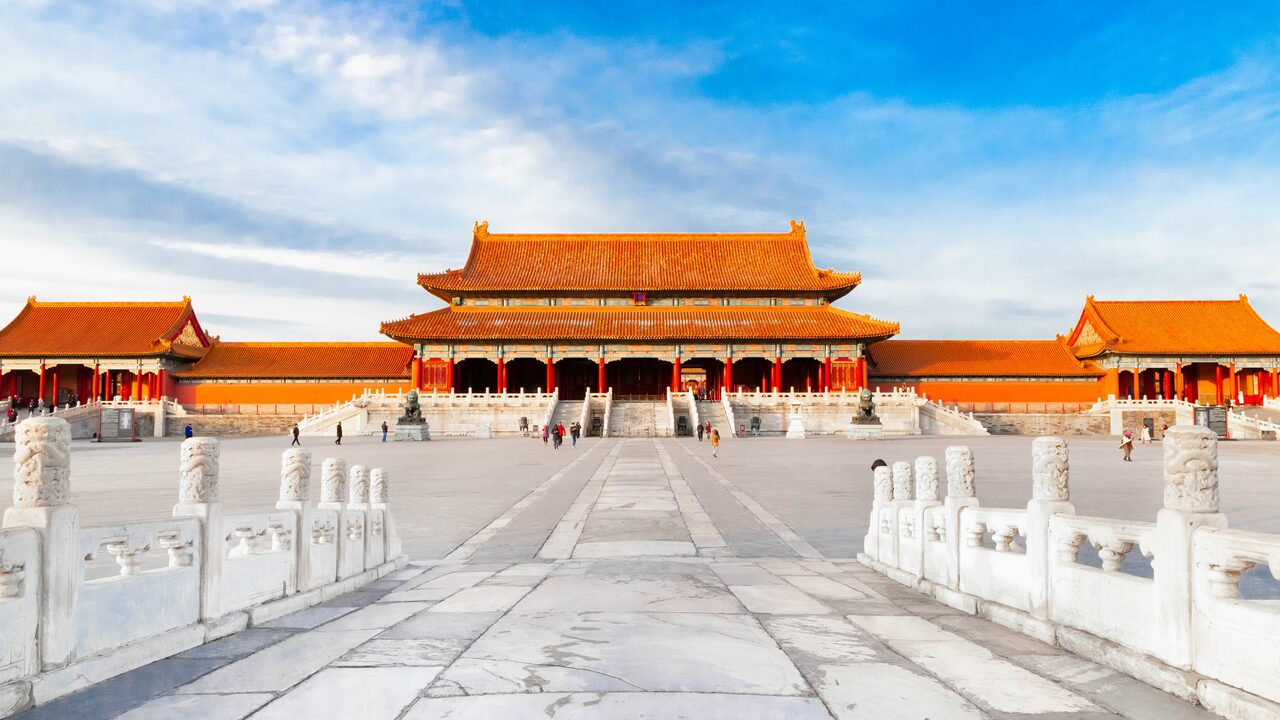
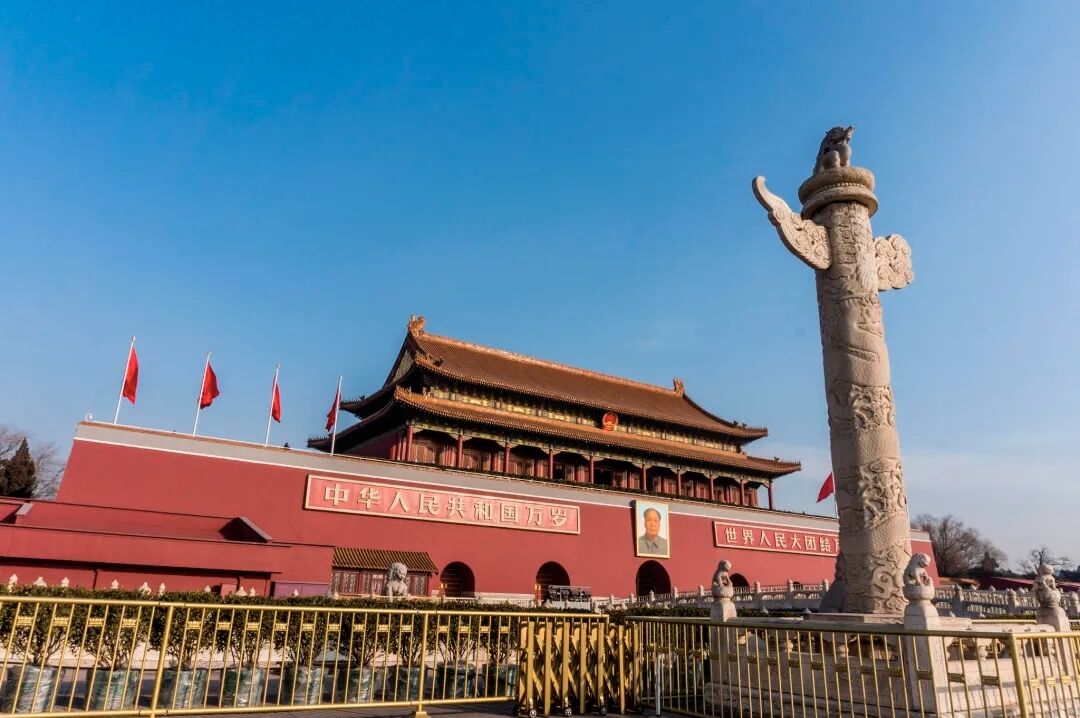
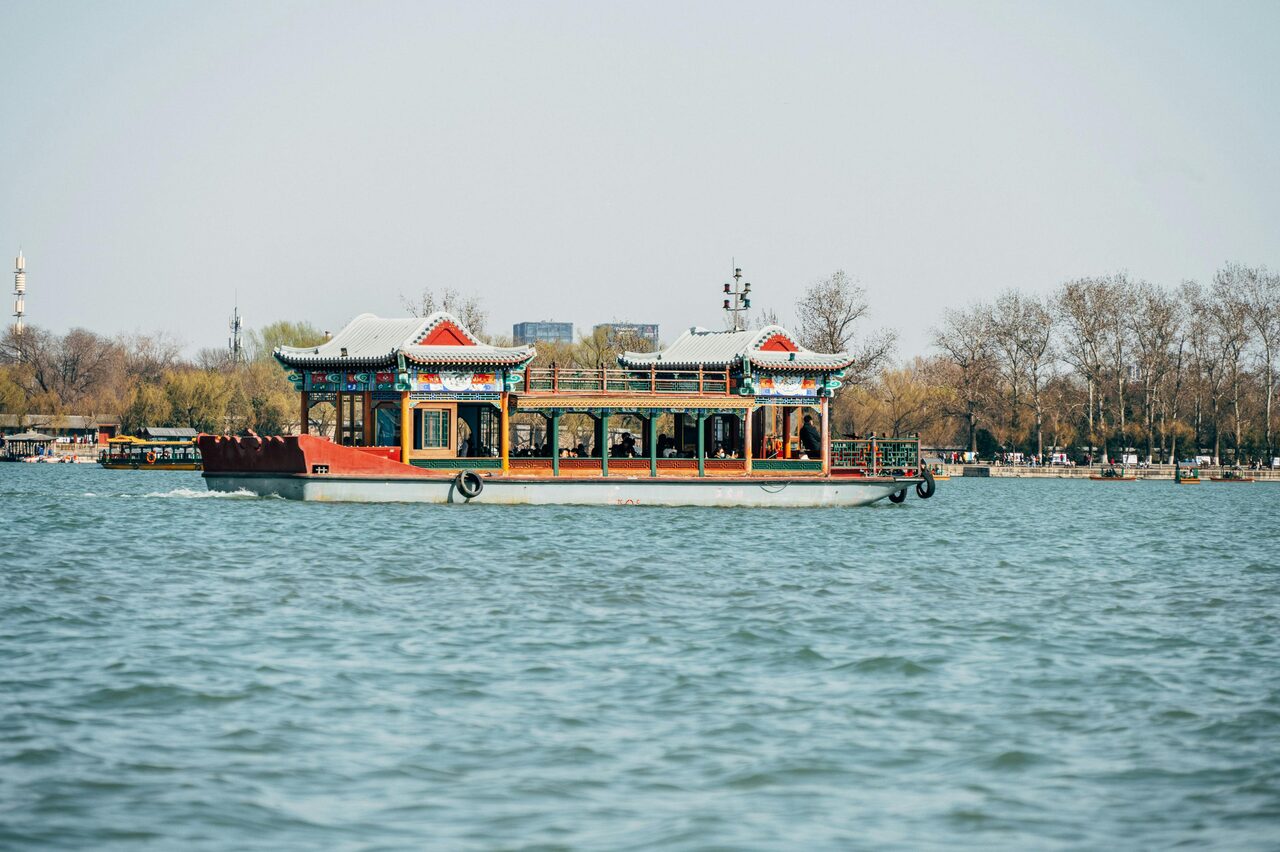
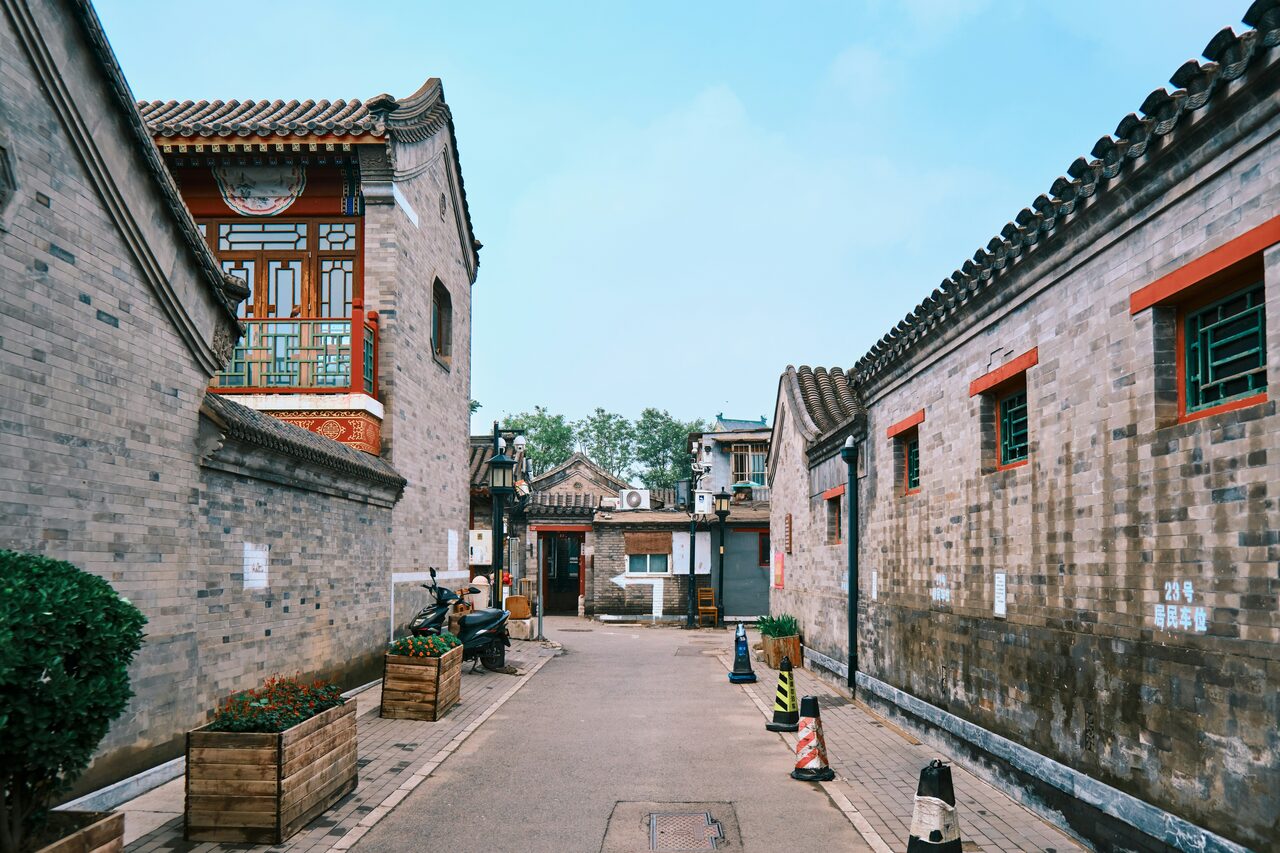
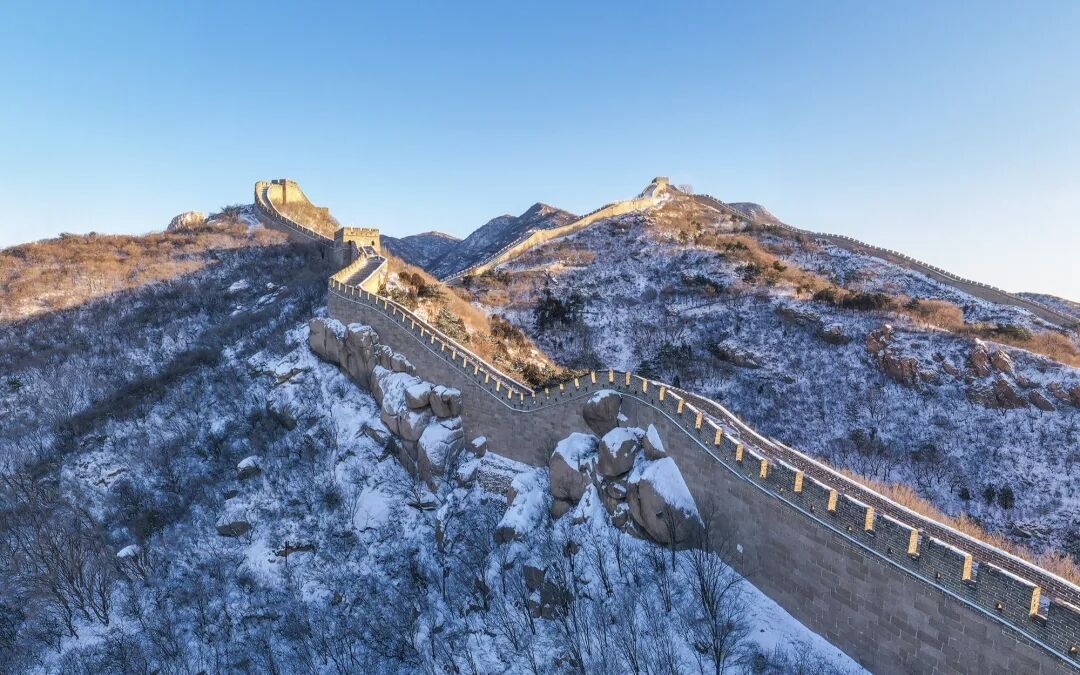
Beijing is an overnight-plus destination — plan at least two or three nights. The headline sights spread across the city: the Forbidden City and Tiananmen at the centre, the Great Wall a half-day trip out to Badaling or Mutianyu, the hutong alleys around the Drum Tower, and the Summer Palace in the northwest. For a full plan see the Beijing city guide.
How to book with a foreign passport
12306 English app — the official China Railway channel: face-value fares, no booking fee. The trade-off is hassle — passport registration must be approved before you can buy (often slow), and customer service is Chinese-first and limited if a booking goes wrong.
Trip.com ↗ — the same China Railway seats, booked in English with a foreign Visa or Mastercard, no verification wait and 24/7 multilingual support. It sells at the same 12306 face fare with no booking fee, and new-customer promotions can bring a first trip below face price. You can also add hotels, attraction tickets and tours to the same trip. See the booking walkthrough.
Book a few days ahead — departures are limited (~17/day) and the good daytime slots sell first. The name and passport number on the ticket must match what you present; e-tickets are scanned at the gate, no paper pickup needed.
Book on Trip.comNASDAQ: TCOM
The international arm of Ctrip — one of the few platforms selling real China Railway tickets (and flights) in English, to a foreign passport and card. (Is it legit? — 12306 vs Trip.com )
Arrived at Beijing West — getting to your hotel
Beijing West 北京西站 sits west of the central core, so a downtown hotel is one onward metro or taxi leg. The metro is inside the station’s security perimeter — Lines 7 and 9 share one concourse about a 5–8 minute walk from the platform, and you transfer without being re-screened (rail–metro security recognition since 2020; it closes overnight ~23:30–05:00). For a car, the DiDi / taxi pickup is on the underground level — the north plaza is closest to the metro and takes most arrivals, so it’s the simpler choice; off-peak waits are 5–10 minutes. Don’t hail at street level. Times below are for the three areas foreign visitors most often base in. Picking an area first? See where to stay in Beijing.
| City area | Metro | Taxi / DiDi |
|---|---|---|
| Wangfujing 王府井 (downtown, by the Forbidden City) | Metro Line 7 → Zhushikou (珠市口), change Line 8 → Wangfujing (王府井). ~37 min, ¥4. | ¥35–50, ~30–45 min (9.4 km) |
| Qianmen / Dashilan 前门·大栅栏 (old town) | Metro Line 7 → Zhushikou (珠市口), 8-min walk; or change Line 8 → Qianmen (前门). ~30 min, ¥4. | ¥25–35, ~20–30 min (6.9 km) |
| Sanlitun 三里屯 (embassy / nightlife) | Metro Line 7 → Shuangjing (双井), change Line 10 → Tuanjiehu (团结湖). ~55 min, ¥5. | ¥50–65, ~40–55 min (17 km) |
Transit times and driving distances via Amap (高德地图) routing, checked 2026-06-28. Beijing West is on Metro 7 & 9, west of the centre, so each of these needs one change. Taxi ranges reflect off-peak meter fares; surge during weekday rush hours. The no-re-screening transfer and north-plaza pickup notes are from current traveller reports.
Frequently asked questions
How far is Guangzhou from Beijing?
About 2,298 km (1,428 miles) — the longest single high-speed corridor in China, the Beijing–Guangzhou (京广) trunk ridden northbound.
How do I get from Guangzhou to Beijing?
By high-speed train or by air. G-trains run Guangzhou South to Beijing West about 17 times a day, taking ~8h, from ¥703 in second class (book on the official 12306 app or on Trip.com in English). Flights are about 3 hours.
How long is the flight from Guangzhou to Beijing?
About 3 hours in the air versus ~8h on the train. The flight is faster on the clock, but the train rides downtown-to-downtown and can break the trip at Changsha or Wuhan.
Is the train or the flight better for Guangzhou to Beijing?
Closer than it looks. The flight is ~3 hours in the air but ~7–7.5 hours door-to-door once you add a 2-hour check-in and the 45–60-minute run to each airport; the train is ~9–9.5 hours downtown-to-downtown — a real gap of about 2 hours, not 5. Fly to save time; take the train (or the overnight sleeper) if you dislike airports, want the scenery, or plan to break the trip at Changsha or Wuhan.
Is there an overnight train from Guangzhou to Beijing?
Yes. Alongside the daytime G-trains, an overnight sleeper EMU (动卧) runs the corridor roughly 21:00 to 06:30, with berths instead of seats — it books on 12306 or Trip.com like any other train. The exact train number changes over time, so search your date; it saves a night’s hotel and a day of travel.
How much is a Guangzhou to Beijing train ticket?
Second class starts around ¥703, with first and business class scaling up. Fares are dynamically priced; off-peak mid-week departures carry the lowest second-class fares.
Which stations do Guangzhou–Beijing trains use?
Trains leave Guangzhou South Railway Station (广州南站), on Metro 2, 7 & 22 about 17 km south of the centre, and arrive at Beijing West Railway Station (北京西站) on Metro 7 & 9. A few Beijing-end services use Fengtai or Qinghe — check the station printed on your ticket.
How many trains run between Guangzhou and Beijing each day?
About 17 high-speed services a day each way along the Beijing–Guangzhou (京广) trunk line, the busiest long-distance corridor in the country. Book a few days ahead for the fastest daytime departures.
Sources
Checked August 2026 · Written from our own first-hand travel in China.
Once the journey gets you to Beijing
The corridor is the long part — here is what to do with your days at the other end.